
Time and place
OPINION: First on the scene after the recent devastating storms in parts of the North Island were emergency services and selfless members of the public.




 increase font size
 Insurance & Financial Services Ombudsman, Karen Stevens.
The Insurance & Financial Services Ombudsmen Scheme (IFSO Scheme) is advising consumers to prepare for delays as insurers respond to a high volume of claims following this week's severe weather.
Insurance & Financial Services Ombudsman, Karen Stevens, says this will be a stressful and confusing time for many.
She says consumers should expect some wait times while the full impact of the weather is assessed.
“Contacting insurers online is the quickest way to make a claim, helping people avoid long phone queues, which are common after major weather events," Stevens says.
“Insurers will prioritise the most urgent and cases first, such as those with unliveable homes or those in vulnerable situations,” she says.
Delays often result from the sheer volume of claims, limited access for assessors, and the need for specialist trades. While these steps take time, they help ensure that insurers can make fair and accurate decisions. Similar pressures were seen after Cyclone Gabrielle and the 2023 Auckland floods, where insurers faced unavoidable bottlenecks due to the scale of the damage.
Stevens says insurers are now drawing on lessons learned from those events, including improved triage systems and clearer communication with customers about expected timeframes.
“Under the Fair Insurance Code, insurers must give clear information about claim progress, usually with updates every 20 business days or at another agreed interval,” she says.
Stevens encourages anyone experiencing vulnerable circumstances—such as serious illness, disability, major financial pressure, or other circumstances affecting their ability to cope—to tell their insurer so extra support can be arranged.
OPINION: First on the scene after the recent devastating storms in parts of the North Island were emergency services and selfless members of the public.
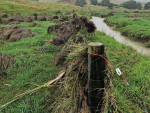
One of the country's top Māori farms faces a long and costly rebuild to get the property back to where it was before recent storms ripped through it.
For the most part, dairy farmers in the Waikato, Bay of Plenty, Tairawhiti and the Manawatu appear to have not been too badly affected by recent storms across the upper North Island.
As New Zealand experiences more frequent and severe flooding events, the Insurance & Financial Services Ombudsman Scheme (IFSO Scheme) is urging consumers to be honest and accurate when making insurance claims for flood damage.
Following heavy rain which caused flooding in parts of Nelson-Tasman and sewerage overflows in Marlborough, the Insurance & Financial Services Ombudsman Scheme (IFSO Scheme) is urging homeowners and tenants to be cautious when cleaning up and to take the right steps to support claims.


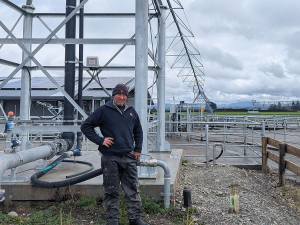
Converting a longstanding cropping farm to dairy was the only way to ensure the land stayed in the family long term, says new dairy farmer Rod May.

As the election heats up, Organics Aotearoa New Zealand (OANZ) has launched its election scorecard designed to help voters wanting to support policies that grow organic and New Zealand's organic sector.
A 'tsunami' of milk from key exporting countries is winding down and this may be good news for New Zealand dairy farmers.
Will the good times last? That's one of the key issues to come out of the latest Federated Farmers confidence survey.
Outgoing Fonterra Co-operative Council chair John Stevenson says that it has been a privilege to represent the co-op's farmer shareholders.
Have a plan in place for your cows and staff.




OPINION: The same mainstream media muppets that brought you Jacindamania in 2017 have been flat out pimping for the Opportunities…
OPINION: Your old mate reckons the atrocious way farmers in the UK are treated by their lords and masters in…




