Esther Guy-Meakin Appointed Chief Executive of the NZ Meat Board
Esther Guy-Meakin has been announced as the new chief executive of the New Zealand Meat Board (NZMB).




 increase font size
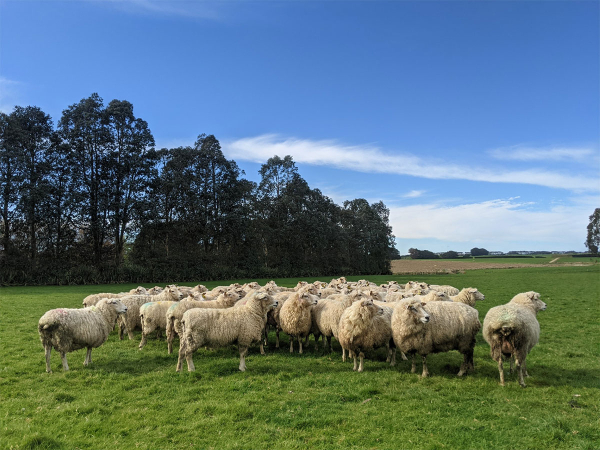 The Cool Sheep® Programme gives farmers the ability to identify and select low-methane rams for breeding.
A new joint investment of $1.2 million aims to accelerate farmer uptake of low-methane sheep genetics, one of the few emissions reduction tools available to New Zealand farmers.
The funding extends the Cool Sheep Programme for another year. The programme gives farmers the ability to identify and select low-methane rams for breeding, the same way they select traits such as growth, wool quality and fertility.
The funding backs further research to strengthen the accuracy of the breeding value for methane.
The programme will also explore whether low-methane sheep convert feed more efficiently – a development which, if correct, could entice more farmers to breed from low-methane rams.
The initiative is supported by a partnership between AgriZeroNZ, Beef + Lamb New Zealand, Ministry for Primary Industries, and the Ag Emissions Centre.
Research is being delivered by scientists at the Bioeconomy Science Institute.
Dr Suzanne Rowe, senior scientist at the Bioeconomy Science Institute and leader of the low-methane breeding research programme, says breeding for low methane has proven to be a highly effective mitigation tool.
"Since establishing flocks of high and low-methane-emitting sheep, we've measured an average difference of around 18% in methane emissions between the two groups," Rowe says.
The new research includes a feed efficiency trial with around 100 young female sheep and 200 growing males, with results expected later this year.
“This trial will give us clear evidence of how high and low-methane sheep differ in the way they use feed, which will help us understand whether selecting for low methane also boosts efficiency,” she says.
Over the next year, the Cool Sheep® Programme will also measure methane emissions and collect genetic information from 5,000 sheep to strengthen the accuracy of the breeding value.
AgriZeroNZ chief executive, Wayne McNee, says the public-private partnership supports the programme to help build the evidence and support wider uptake on-farm.
"The beauty of genetics is that it fits in with current farming practices and results are permanent, cumulative, and should stack with other tools for even greater emissions reductions over time.," McNee says.
“By combining our efforts, we can help ensure farmers have access to mitigation tools that not only suit their business, but strengthen its long-term resilience and performance too,” he adds.
Kate Acland, Beef + Lamb New Zealand Chair says the farmer-owned organisation is pleased to support the programme into its next phase.
“Farmers are rightly focused on productivity and profitability. This programme will help to establish if there is a genetic link between high feed conversion efficiency and low methane emissions," Acland says.
"By stepping up the research, and collecting more data from sheep across the country, we’re supporting farmers to breed with confidence.”
Naomi Parker, executive director of the Ag Emissions Centre, adds that the investment is a core part of the Centre's ongoing commitment to supporting the development of practical emissions reduction tools.
“This initiative combines research, investment, and partnership to help give farmers confidence that they can reduce emissions without compromising productivity.
“Continued testing, breeding and genetic analysis will strengthen the science behind the programme and support farmer uptake."
McNee says investments like this are critical to positioning New Zealand agriculture for the future.
“Most of our major export customers have set ambitious emissions reduction targets which cover their entire value chain, including the New Zealand farms which produce the meat they buy.
“Being able to show credible progress matters to maintain our market access and reputation as a world-leading producer.”
Esther Guy-Meakin has been announced as the new chief executive of the New Zealand Meat Board (NZMB).

The country's second largest milk processor is warning against 'complacency' during a review of competition regulations in the dairy sector.
Canterbury farmer Andy Macfarlane has been appointed to the board of AgriZeroNZ, the public-private partnership designed to accelerate the development and deployment of emissions reduction tools for New Zealand farmers.
Blueberry growers are warning that fresh imports could pose a huge biosecurity risk for NZ’s horticulture sector.
As expected, the US has launched a safeguard investigation into lamb imports, a move that could impact New Zealand sheepmeat returns.

Esther Guy-Meakin has been announced as the new chief executive of the New Zealand Meat Board (NZMB).
According to a progress report on the Aotearoa Horticulture Action Plan (AHAP), New Zealand's horticulture sector is making real progress on the big issues facing growers.
A team effort that is paying dividends for the wider New Zealand economy.
A strong sense of community involvement is what propelled the Federated Farmers' North Canterbury president Bex Green to the honoured title of the Feds' Advocate of the Year 2026.
The country's second largest milk processor is warning against 'complacency' during a review of competition regulations in the dairy sector.
Oamaru-based livestock handling specialist Te Pari has bought Combi Clamp, the New Zealand manufacturer of Combi Clamp manual sheep handlers.

A fair question has been raised about how member-funded organisations should conduct themselves when taking a public position on any…
OPINION: It really is getting harder to lampoon government bureaucrats when they do such a good job of it themselves.…