Teamwork makes antimicrobials work
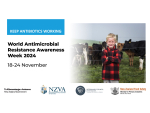
World antimicrobial resistance (AMR) Awareness Week begins today, and New Zealand Food Safety (NZFS) says you too can do your part.
 increase font size
 Mark Hosking, Franklin Vets.
Veterinarians working in agriculture have some major issues on product stewardship looming, says Mark Hosking, managing director of Franklin Vets.
“There is a need for increased food but there’s also antimicrobial resistance; there’s a lot of resistance in our ecto and endo parasiticides,” Hosking told the AgCarm conference in Auckland.
“From a sustainability point of view we need to look at how we put those products out in the market and how they are placed there. And is the appropriate stewardship going along with that?”
The industry has to lift the game in this area, says Hoskings, who formerly worked as a dairy veterinarian in Waikato before taking over the Franklin practice.
“There are some very good examples of stewardship of products but there are also other examples, especially when people come into the market and they don’t have a lot of background.
“We have seen instances of anthelmintics coming to the market and the advice is not right and out of date. It is adding confusion to the market.”
The profession also needs to have input into the regulations and how products coming to the market were controlled, Hosking says. “I know there is a balance of getting the novel products to market but there’s a balance of protecting those products that we have.”
While he is in favour of free market competition, he questions whether competition should be the main basis of regulation in this product area where sustainability issues are paramount.
“Is it driving the right market conditions? I would argue that having cheaper penicillin in the marketplace is not actually the right driver for us. One, it is just going to increase the amount of antibiotics being used and, two, I would argue that having cheaper penicillin available for lame cows will result in an increase in lame cows in New Zealand.
Farmers have many preventative options for reducing disease in their herds, Hosking says. “If the treatment side of things is so cheap that will become the default position. Farmers will choose treatment before they start investing in preventative measures.
“It is important for us to be looking at this. We need the R&D companies to provide us with the products and the tools we need for the future.”
World antimicrobial resistance (AMR) Awareness Week begins today, and New Zealand Food Safety (NZFS) says you too can do your part.
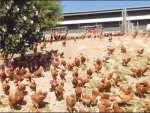
The Poultry Industry Association of New Zealand (PIANZ) has won the New Zealand Veterinary Association (NZVA) Antimicrobial Resistance (AMR) Award.
Females are dominating the veterinary profession worldwide and many farmers are welcoming this change in the composition of the profession, says Britain's Chief Veterinary Officer (CVO) Professor Christine Middlemiss.
Farmers are being urged to work with their veterinarian to keep animals healthy and help prevent drug-resistant infections developing.
The New Zealand Veterinary Association Te Pae Kīrehe (NZVA) is calling on animal owners to work with their veterinarian to keep animals healthy and help prevent drug-resistant infections from developing.

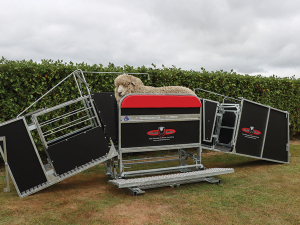
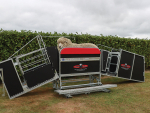
Oamaru-based livestock handling specialist Te Pari has bought Combi Clamp, the New Zealand manufacturer of Combi Clamp manual sheep handlers.

Agriculture Minister Todd McClay has admitted that a scheme bringing workers from Pacific nations to work on orchards has become too hard to navigate but says changes are coming.
A new app designed in New Zealand aims to help sheep, beef and deer farmers capture, analyse and use body condition score data more effectively.
Canterbury farmer Andy Macfarlane has been appointed to the board of AgriZeroNZ, the public-private partnership designed to accelerate the development and deployment of emissions reduction tools for New Zealand farmers.
For over 50 years Mel Ewers has been supporting the apple sector navigate through compliance and quality assurance issues.
The apple sector is enjoying a bumper harvest season.