Early Weaning Lambs: What the Massey Trials Found
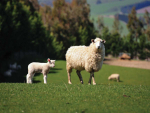
Farmers with high-quality feed available in late spring could consider weaning at least a proportion of their lamb crop early to benefit both lambs and ewes.
 increase font size
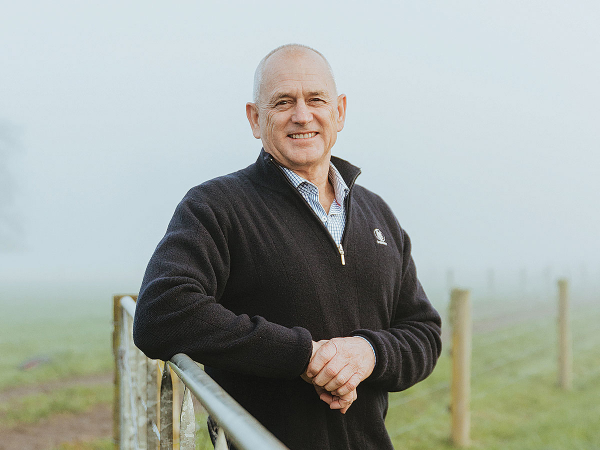 Ken Winter says slow pasture growth over the last couple of months, combined with a wet weather and lack of sunshine, could have a detrimental effect on next year’s calving and milk production.
Slow pasture growth over the last couple of months, combined with a wet October and lack of sunshine, could see cows short on crucial energy, fibre and protein as mating gets into full swing across the country.
That’s the view of GrainCorp Feeds’ technical support manager Ken Winter.
He warns that this could have a detrimental effect on next year’s calving and milk production.
“Pasture growth was slow in September and October has followed suit,” he says.
“Lots of rain and a lack of sunshine means there is less feed. What pasture is there, is lower in energy, digestibility and lower in sugars.
“There are plenty of farms with mud and pugging too, which is unusual for October, and little or no supplements shut up yet.”
At this time of the year, the energy demands on a cow are at an alltime high. The physical exertions of pregnancy, calving and now milk production have taken a toll on her energy reserves.
It is critical to bring her energy levels up, not only for milk production, but for reproduction. If a cow’s energy intake is lower than her output, her body will find the missing megajoules of metabolizable energy MJME from within her own system. Body fat and protein will be mobilised to make milk, but the cost of doing so will be high. Body condition will be lost and so will her ability to conceive.
Winter and his team have seen dairy farmers using a lot more supplementary feed this season to fill the gaps.
“While typically many dairy farmers are behind last year’s production, there are many that are doing record volumes on the back of feeding more concentrates,” he says.
“These results demonstrate how important it is to add the right supplement to your herd’s feeding regime.
“Due to the high cost of feed right now, some farmers have opted for a lower spec feed or reduced feed intake. Unfortunately, in many cases this had led to reduced production and lower margins.
“While cost saving can help profitability, missed production on a $9.50/ kgMS payout could make the situation even worse.”
Winter says recent bad weather means cows will need extra mineral supplementation as they head into mating, such as some of our customised mineral mixes with increased levels of iodine, selenium, and copper along with extra vitamins as needed.
“There will be herds and groups of cows that haven’t calved down in optimum condition and may have lost more condition than usual post calving.
“These cows will now need extra attention and feed, or in some cases should be put on once-aday milking to give them the best shot at getting back in calf.”
He says high quality bypass fats are also an effective way to improve reproductive performance by providing a concentrated and readily available energy source.
“Feeding them extra during mating can be a real saviour if optimum intakes aren’t being met.”
Farmers with high-quality feed available in late spring could consider weaning at least a proportion of their lamb crop early to benefit both lambs and ewes.
The first major update to the Dairy Cattle Code of Welfare in more than a decade has been released, marking what DairyNZ describes as an important step in ensuring animal welfare standards continue to evolve alongside scientific evidence and on-farm realities.
Bovine Viral Diarrhoea (BVD) is sometimes viewed as a dairy industry issue, but the reality is that the disease can have serious consequences for beef breeding herds as well.
Animal health company Bovonic is gearing up for its next stage of growth after increasing New Zealand sales of QuadSense by more than 50% in the last 12 months, including a record quarter for the business this year.
With lambing underway in many regions, Beef + Lamb New Zealand is encouraging farmers to put together a wellequipped lambing kit to help minimise lamb losses, particularly in bad weather.



Federated Farmers has welcomed new rural policies released by ACT, saying they align closely with its own election priorities.

Rural Contractors NZ says proposed changes to land transport rules for agricultural vehicles are a welcome response by the Government to out of date regulations which have seen members hit with huge fines.
Alliance is calling for final applications for its 2027 Graduate Programme, with applications closing on Sunday 25 October.
Decades piloting planes has ensured vet and farmer David Hayes is focused on safety. So, after a serious accident while welding on farm, he is sharing his experience so others can learn from it.
Canterbury milk processor, Synlait Milk has confirmed Leon Fung as its chief executive officer.
OPINION: Making it easier to collect rainwater and use it to grow crops and livestock is a no brainer.