New CEO for wood processors
Mark Ross has started in his new role as chief executive of the Wood Processors and Manufacturers Association of NZ (WPMA).
 increase font size
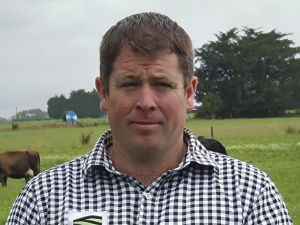
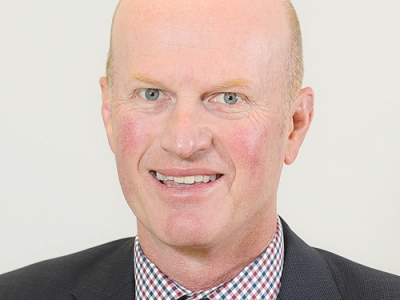 Agcam chief executive Mark Ross.
New Zealand has the rare opportunity to participate in discussions which will contribute to the health of farm animals.
Delays in urgently needed treatments for diseases are often caused by a mismatch in global regulatory regimes. This increases costs and often leads to the duplication of studies needed for registering veterinary medicines.
Bringing a new veterinary medicine to market is expensive and time-consuming. It takes five to eleven years to complete and costs up to $500 million. To be efficient, the process needs internationally accepted standards amongst regulators and greater transparency.
One way of doing this is by simplifying the regulatory process to create a universal framework for researchers and developers -- allowing faster, more efficient approval of beneficial medicines.
NZ is a global partner in the regulation of veterinary drugs and for this reason Agcarm has taken an industry observer role on the VICH (the international cooperation on harmonisation of technical requirements for registration of veterinary medicinal products) steering committee. Agcarm's role on VICH is to represent the views of the NZ animal health industry at the global decision table.
With greater emphasis on the quality, safety and efficacy of veterinary medicines, VICH is becoming more important as a coordinated means to facilitate the global registration of veterinary medicinal products, while establishing and maintaining consumer confidence.
The principal goal of VICH is to harmonise technical data requirements of participating regulatory authorities before granting drug marketing authorisation or registration. Most of the technical work is done by expert working groups, who are guided by the steering committee. Current goals include reducing animal testing and costs of development, while increasing the availability of new veterinary medicines and accelerating the development and review process.
There are few industries in NZ that have the opportunity to engage with and influence global regulators, and meet with fellow international industry groups. With the current strong drive for greater cooperation in animal health, playing our part is more important than ever.
• Mark Ross is chief executive of Agcarm, the industry association for companies which manufacture and distribute crop protection and animal health products.
Mark Ross has started in his new role as chief executive of the Wood Processors and Manufacturers Association of NZ (WPMA).

Animal and Plant Health NZ chief executive Mark Ross says the Government needs to step up efforts to support the rural sector so that all Kiwis can access safe, healthy and affordable food.
OPINION: Animal diseases are associated with significant increases in livestock greenhouse gas emissions and land use, and reduced productivity. They also pose a threat to food security.
Animal diseases are associated with significant increases in livestock greenhouse gas emissions, land use and reduced productivity.
The two associations representing NZ's crop protection and animal health industries will merge this month.


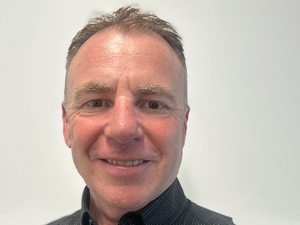
Penske Australia & New Zealand has appointed Stephen Kelly as the general manager of its Penske NZ operations, effective immediately In this role he will oversee all NZ branch operations, including energy solutions, mining, commercial vehicles, defence, marine, and rail, while continuing to be based at Penske’s Christchurch branch.
According to the latest Federated Farmers-Rabobank Farm Remuneration Report, released today, farm worker pay growth has levelled off after a post-Covid period of rapid growth.
The Climate Change Commission has recommended maintaining the current New Zealand Emissions Trading System (NZ ETS) settings but warns of a potential unit shortfall as early as 2028.
The Conservative Party warns that the upcoming free trade agreement between New Zealand and India may prioritise increased labour mobility while offering limited reassurance for New Zealand workers.
Southland District Council says it is actively managing the impacts of the current fuel supply challenges to ensure essential services across the district continue to operate safely and reliably.
A large crowd turned out for the last of the field days of the three finalists in this years Ahuwhenua Trophy to determine the top Maori horticulture entity in Aotearoa New Zealand