PC1 Pause Looms as Coalition Targets Waikato Farm Rules
A pause on Waikato Regional Council's (WRC) plan change that sets new freshwater rules for farming could be announced in the coming weeks.
 increase font size
 Waikato and West Coasts Catchments Manager Grant Blackie.
Waikato Regional Council has secured $2.8 million from the Ministry for Primary Industries’ Hill Country Erosion (HCE) Programme in the latest round of funding announced on Sunday.
The council’s regional HCE programme is in its fourth year, and the new funding will help to extend it into 2027.
43% of Waikato land has a high potential for erosion due to high rainfall, steep slopes and weathered geology.
In hill country farming areas, the risk of erosion increases if the land has little protective vegetation or it is poorly managed.
An estimated one million tonnes of soil erodes away annually along the western side of the region, from Port Waikato south to Mōkau.
Soil erosion can impact the clarity of rivers and waterways, damage farming and other infrastructure, and reduce soil quality and productivity. High sediment levels also impact the in-stream ecology as well as the cultural and amenity values associated with waterways.
Since 2019, the council’s HCE programme has targeted the highest erosion risk areas and supported local farmers and landowners to take protective measures such as retiring, fencing, and planting steeper farmland.
Previous funding has been vital to Waiwhakaata Trust’s efforts to prevent erosion. The trust manages 147 hectares of farmland alongside the Moakurarua Stream near Ōtorohanga, which feeds into the Waipā River.
Waikato and West Coasts Catchments Manager Grant Blackie said the council wants to hear from farmers and landowners with steep hill country erosion issues.
“Our whole strategy relies on working with locals to deliver these environmental and economic outcomes, so we really want people with erosion-prone land to get in touch with us.
“Together with programme partners in the next four years, in priority catchments we can build 253 kilometres of fencing and plant 560,000 native species alongside almost 100,000 exotic species that provide the best defence against erosion.”
So far, they have retired their steepest land and planted 16,000 trees across 24 hectares, making visible improvements to the surrounding waterways.
Waiwhakaata Trust Chair James Pinfold said working with Waikato Regional Council minimised the effort and expense.
“If we had done this on our own initiative, then costs would have easily run into the hundreds of thousands,” he says.
A pause on Waikato Regional Council's (WRC) plan change that sets new freshwater rules for farming could be announced in the coming weeks.

OPINION: Staying on Plan Change 1, NZ First deputy leader Shane Jones took to social media to gain some political points.
OPINION: All eyes are on the Government as Waikato farmers seek urgent help to fend off the controversial Plan Change 1 (PC1), designed to manage nutrient discharges into waterways in the region.
Waikato farmers have been told that the Government’s new planning system legislation and the region’s Plan Change 1 (PC1) “won’t mesh together very well”.
The Government is looking at intervening on behalf of Waikato farmers who face new regulations around agricultural land use while Resource Management Act (RMA) reforms are underway.


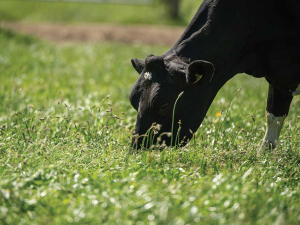
Farms across the upper North Island are trialling different pasture mixes as part of a research programme that aims to build greater resilience into farming systems.
Election years are always a concerning time for farmers, according to DairyNZ chair Tracy Brown.
The Ballance Farm Environment Awards are coming to the West Coast of the South Island.
Most dairy regions around the country have had a pretty good season so far says Tracy Brown.
Rural leader Mark Hooper has been appointed as an independent director to the NZPork board, bringing extensive farming, governance and advocacy experience to the role.