Farm Safety Improves Through 'Incremental Gain', Says Birkett
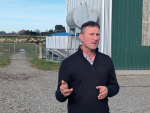
Improving health and safety is about incremental gain rather than a sudden decision, says Leeston farmer and Federated Farmers health and safety spokesman David Birkett.
 increase font size

ACC WILL be talking with farmers in several key rural areas next month, to help get a better understanding of the work farmers do, and the challenges they face in their day-to-day activities on the farm.
Insights gained from the conversations will be used to help inform ACC's injury prevention work.
"This is about giving the farmers the floor, and letting them tell us how things are from their perspective," says ACC's agriculture programme manager, Paul Harrison.
The conversations will involve one-on-one meetings, as well as small group workshops in some areas.
"We're really looking to get inside farmers' heads, because the only way we can develop successful injury prevention initiatives is by making sure they reflect life as it really is on the farm."
Harrison says those taking part will be encouraged to "tell it like it is, no holds barred."
"Farmers can contribute to the project and stay anonymous, if they wish to. Outside of the project team involved, no one will know who was involved in one-on-one meetings, and no personal details will be attached to the information we gather."
ACC plans to talk to a cross-section of grain, sheep, beef and dairy farmers.
The meetings were originally scheduled to start this month, but were postponed because of the number of farmers busy with the early onset of calving.
Harrison says the project is being carried out with the help of organisations such as Federated Farmers, Rural Women and Beef and Lamb, who put out 'feelers' to identify farmers interested in being involved. However, ACC is still keen to hear from anyone who'd like to take part.
The meetings are being held in Ashburton, South Taranaki, Hastings and Matamata-Piako - areas chosen because of the significant size of their rural communities.
"We're mindful of farmers' busy schedules, so we'll arrange meetings at any time that suits."
In some cases, a member of the project team may also ask to spend an hour or two accompanying a farmer as they go about their everyday work.
"ACC is not an enforcement agency, so this is strictly to help build our understanding of a typical day on the farm. But obviously, we'd only do this where farmers are happy to have us along."
ACC received around 16,500 work-related injury claims from farmers last year. On average, these injuries resulted in 10 days of lost productivity per claim. The total cost of farm-related injuries in 2013 was over $42 million.
Farmers from Ashburton, South Taranaki, Hastings and Matamata-Piako who would like to be involved can contact ACC at This email address is being protected from spambots. You need JavaScript enabled to view it..
Improving health and safety is about incremental gain rather than a sudden decision, says Leeston farmer and Federated Farmers health and safety spokesman David Birkett.
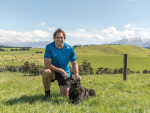
ACC says that this week's Fieldays is a great chance for farmers to pause and reflect on their processes and ensure that their life is in balance.
The Roar is a highlight of the game hunting calendar in New Zealand, with thousands of hunters set to head for the hills to hunt male stags during March and April.
The Government has announced that ACC will be a sponsor of this year's FMG Young Farmer of the Year competition.
Dairy farmers around the country are into the busy spring calving period.
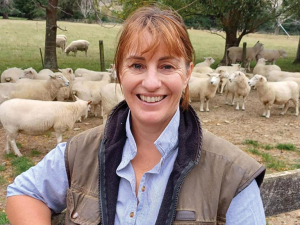
B+LNZ's Wormwise veterinarian Mary Bowron has won the Best Sheep and Beef Vet of the Year Award in recognition of her outstanding contribution to New Zealand’s sheep and beef sector.
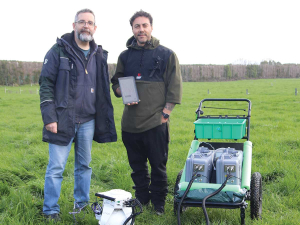
Researchers at Massey University are using a special piece of scientific equipment to improve the measurement of greenhouse gas emissions from pasture soils.
More signs of a booming kiwifruit sector.
OPINION: David Seymour and James Meager's plan to make it easier for farmers and orchardists to operate drones can best be described a 'courageous' move.
New Zealand wool is reaching new heights as air filtration companies move away from synthetic products to biodegradable alternatives.
Opuha Dam's ability to protect South Canterbury communities from major flooding has taken a significant step forward, with Opuha Water Limited (OWL) successfully commissioning a new outlet valve capable of releasing record volumes of water from the dam ahead of a weather event.