
NZ Red Meat Exports Hit $867m in August, Up 23%
Meat Industry Association data, released alongside the Red Meat Sector conference in Wellington, shows export value climbing across the US, China, UK and Canada.
 increase font size
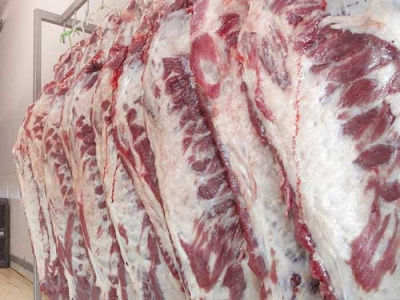
New Zealand is rapidly closing on filling its beef quota to the US for the first time since 2004.
It seems the culling of low performing dairy cows is one reason for this.
NZ is allowed to send 213,402 tonnes of all types of beef, including cow beef, to the US free of tariffs, but once it exceeds that quota highly punitive tariffs up to 25% kick in.
Meat Industry Association (MIA) chief executive Tim Ritchie says it appears at this stage that 70-80% of the quota has been filled. But he says it’s hard to gauge this accurately because companies exporting beef to the US regard this information as commercially sensitive.
Richie says Australia is reported to have filled 85% of its US beef quota, which runs on a calendar year not a seasonal year – the same as NZ’s.
He believes the culling of dairy cows and strong prices for beef in the US have clearly pushed NZ closer to the quota limit. If there is more culling in spring it will accelerate the race to the quota.
He also notes the influence of talk about El Nino and dry hot weather on the East Coast of the North Island, which may prompt farmers to sell stock earlier than normal. But he also points out that most of the export production follows the grass profile – it’s in the first half of the calendar year.
“When the beef quota was reached in 2004 about half our production went to the US but then it dipped down to 42% as the Asian markets grew and in fact 2010 was the low point,” he told Rural News. “This year we are back in the high 50s – percentage wise.”
As the quota limit looms, companies will be diversifying product into other high returning markets including China, Ritchie says. This market has worked well for NZ.
The US quota is based on a three year rolling average of production and each year NZ meat companies get an allocation of the 213,402t quota. Ritchie says it’s up to companies to manage their quota; they can trade it with other companies if they wish. As the quota gets close to full it’s the NZ Meat Board’s role to ensure this is managed in a fair and appropriate way.
But once it’s filled there are few options Ritchie adds.
“There are two things a company can do: they can declare it outside the quota system, but they pay punitive tariffs and commercially they would be able to do a lot better elsewhere; or they can put it into bond storage, but there is a holding cost to that.
“Then they can de-bond it and take it out of storage in the new year as part of the 2016 quota, or they could put it in storage here if they wanted to or diversify to other markets.”
Meat Industry Association data, released alongside the Red Meat Sector conference in Wellington, shows export value climbing across the US, China, UK and Canada.
The downturn in China continues to impact New Zealand’s red meat exports.
Country of origin beef and lamb marketing programme Taste Pure Nature is set to move into a new phase.
Nine young Kiwis have been selected for the Meat Industry Association (MIA) scholarship programme for 2024.
NZ's red meat exports dropped to $615 million in October - a 14% drop on the same month last year.



State farmer Pāmu is bracing for a $30 million hit from soaring farm input costs this financial year.

Flat pricing in the face of significant increases in costs is the greatest problem facing the arable sector, says Foundation for Arable Research (FAR) chief executive Dr Scott Champion.
Entries opened on Monday, 5 October 2026 for the 2027 New Zealand Dairy Industry Awards (NZDIA), which organisers describe as the nation's biggest celebration of excellence in the dairy sector.
Waikato milk processor Tatua has again declared a record milk payout to farmer shareholders, leaving other processors in the dust.
A Labour-led Government won’t be bringing back the controversial freshwater rules of 2020.
National’s much-touted free trade deal with India featured in the Rural Issues Debate at Mystery Creek, Hamilton on Wednesday night.