Fonterra CFO Andrew Murray Resigns
Fonterra Co-operative Group chief financial officer Andrew Murray has resigned to take up a role outside the dairy giant.
 increase font size
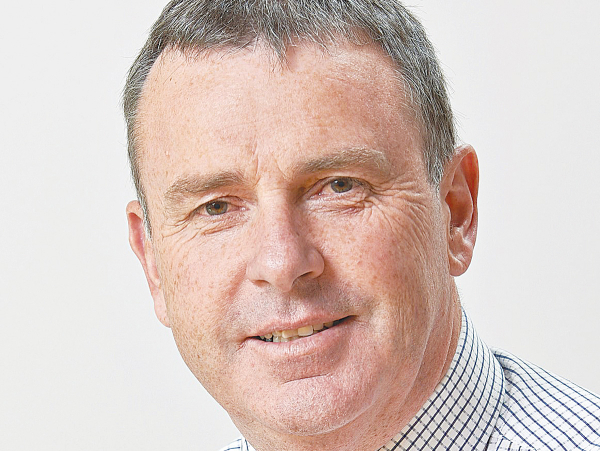 Alliance Group’s Murray Behrent believes the company’s additional capacity will allow more bobby calves to be processed this season to meet the needs of farmers.
Alliance Group is lifting processing capacity by 24% ahead of an expected increase in bobby calf volumes.
The co-operative says processing capacity at its Levin, Nelson, Smithfield (Timaru) and Lorneville (Invercargill) plants will be boosted in the coming weeks.
This follows a decision last year by Fonterra to update its supply conditions and require all non-replacement calves to enter a value stream. From mid-June this year, the dairy co-operative wants all non-replacement calves to go as dairy beef finishing, veal production or the pet food industry.
Fonterra's new rules around bobby calves stem from criticisms arond the handling of bobby calves on farms. Last year the co-op told its farmer suppliers that as part of its strategic choice to 'lead in sustainability', it places a strong emphasis on calf wellbeing and a big part of this is ensuring that all dairy calves have a useful life.
Murray Behrent, Alliance interim general manager livestock and shareholder services, says the meat processor is committed to supporting farmers, particularly during a potential pinch point when bobby calf processing coincides with lamb processing.
"There will be significantly more bobby calves requiring processing at plants but we are confident the additional capacity provided will enable us to meet the needs of farmers as best as we can over the course of the season, without compromising lamb or beef processing volumes," he says.
"Additional lamb/sheep capacity has also been added at our Dannevirke, Nelson and Pukeuri (Oamaru) plants to ensure we meet the demands of our shareholders and suppliers."
Fonterra has introduced a new clause in the terms of supply outlining requirements around the management of non-replacement calves to continue to improve sustainability.
Consumer pressure is increasing and all dairy animals must be seen to have what could be considered to be a 'useful' life. Euthanasia on-farm can still be performed, but only when there are humane reasons or there is no alternative.
Meanwhile, Alliance Group is launching a mandatory user-friendly app that will enable farmers to streamline booking management for bobby calves and automatically sync with transport companies.
"Our new app will also save time and effort for farmers, enabling them to delegate booking responsibilities to a calf reaer or another staff member," says Behrent.
Alliance is encouraging sheep and beef farmers to draft their animals before the start of the bobby calf season in their region.
"Calf numbers are forecast to be higher this season compared to last year. We encourage farmers to talk to their Alliance livestock representative to forecast the number of lambs they have for processing."
Fonterra Co-operative Group chief financial officer Andrew Murray has resigned to take up a role outside the dairy giant.

Four candidates have been confirmed for two director positions on Fonterra’s board.
A record farmgate milk price and strong global demand is laying the foundation for continued growth of organic dairy farming in New Zealand.
Waikato milk processor Tatua has again declared a record milk payout to farmer shareholders, leaving other processors in the dust.
Fonterra has unveiled its annual results for the 2026 financial year, posting $27 billion in revenue and close to $20 billion returned to New Zealand farmer owners and unit holders.


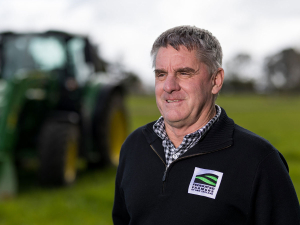
National’s pledge to introduce 19 new national standards shows the party is serious about getting Wellington out of farming, Federated Farmers says.
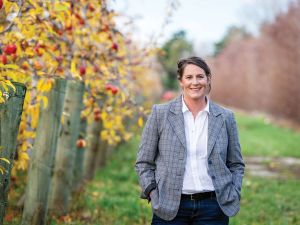
The National Party’s policies to make it easier to grow fresh vegetables, secure reliable water and energy and simplify farm planning are practical changes that will give growers the confidence to invest, according to Horticulture New Zealand (HortNZ).
Fonterra Co-operative Group chief financial officer Andrew Murray has resigned to take up a role outside the dairy giant.
A major move is about to get underway to improve the quality and viability of dairy beef and cattle in NZ.
Veterinarians say changes to the code of welfare for dairy cattle provides a positive foundation for improved cattle welfare across the country.
Today, 15 October, is the International Day of Rural Women, which recognises rural women’s contribution to farming, communities and the environment.