India FTA Removes 33% Tariff on NZ Sheepmeat
New Zealand’s red meat sector has welcomed the India-New Zealand Free Trade Agreement taking effect, which removes India’s 33% tariff on New Zealand sheepmeat.
 increase font size
 Meat Industry Association chief executive Sirma Karapeeva.
New Zealand's red meat sector has launched a recruitment drive to attract halal butchers to the industry.
Every year, the NZ meat industry requires around 250 halal processing people with approximately 100 of the roles typically filled by New Zealand residents or those with open work visas.
But the closure of the country's borders due to the Covid-19 pandemic means migrant halal butchers and boners are unavailable and the industyr is encouraging Muslim New Zealanders to consider a career in the red meat sector.
Meat Industry Association chief executive Sirma Karapeeva says halal butchers are critical to supporting NZ's meat processing industry, especially in regional communities where many plants are located.
"Halal processing is a core part of the New Zealand meat processing industry with approximately 43% of New Zealand total red meat exports halal certified Muslim consumers. These contribute approximately $3.3 billion in export earnings."
New Zealand’s red meat sector has welcomed the India-New Zealand Free Trade Agreement taking effect, which removes India’s 33% tariff on New Zealand sheepmeat.
New Zealand's red meat and fifth-quarter exports reached $867 million in August, up 23% on the same month last year, as stronger returns lifted earnings across all major markets.
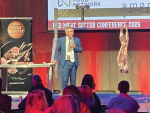
Meat Industry Association data, released alongside the Red Meat Sector conference in Wellington, shows export value climbing across the US, China, UK and Canada.
Esther Guy-Meakin has been announced as the new chief executive of the New Zealand Meat Board (NZMB).

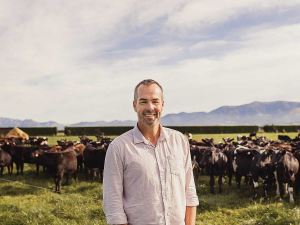
For Canterbury dairy farmer Cameron Henderson, supporting Meet the Need comes down to a simple question: how can the success of New Zealand farming benefit more than just those within the industry?
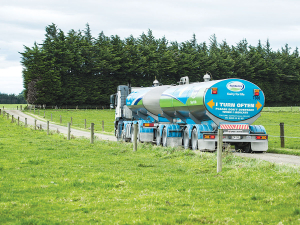
Fonterra board members are in line for a pay rise of around 3%.
Dairy processors are ready to further boost New Zealand’s export earnings but want the incoming government to match their ambition with good policy.
Massey University is best placed to solve the “problems” facing the dairy industry, says vice chancellor, Pierre Venter.
Synlait's longest serving employee – a man who joined the Canterbury-based milk processor even before it began processing milk – is now its newest executive.
A dairy industry leader believes eradicating the common and costly disease, Bovine Viral Diarrhoea (BVD) is within reach.