Wairoa flood review findings released
A review into the Wairoa flooding event on 26 June 2024 has found the flood was caused by a combination of factors leading to the river backing up and overflowing.
 increase font size
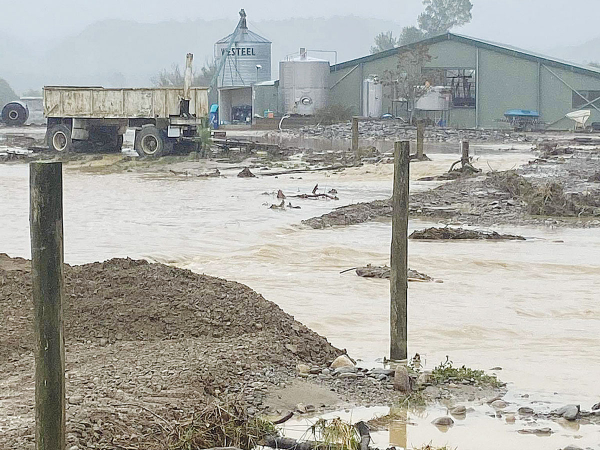 Scenes from the flood that hit Westport in February 2022.
As severe weather ravages the West Coast and Nelson-Tasman regions, calls are being made for solutions to flood risk.
Among those making the calls is insurer IAG.
IAG New Zealand chief executive Amanda Whiting says climate change is having an acute impact on the lives of New Zealanders as more frequent and intense storms, flooding, drought, and wildfires hit the country’s shores.
“The most important thing we can do is ensure people are not placed in harm’s way and do not suffer the loss and disruption caused by a flood event. Avoiding the impact on lives and people’s wellbeing must be the priority,” Whiting says.
She says that while it is IAG’s job to provide insurance to support New Zealanders when things go wrong, insurance is only one component of the solution, adding that more needs to be done to keep Kiwis safe from the impacts of flooding.
“Development and investment decisions are leading to more people living in flood prone locations, where they face growing risks due to the impacts of our changing climate on rainfall and sea level.”
Whiting says that during the past two years, there have been 10 major floods, with insured losses of approximately $400 million.
“Tragically, weather events in New Zealand have also resulted in serious injury and loss of life.
“Reducing the impacts of flooding is a large and complex challenge, but not an impossible one.”
The insurer is calling for three steps to assist in solving flood risk:
1. A joint government and private sector project to build a common understanding of priority flood-prone communities.
2. Implement a National Policy Statement to cease development in flood-prone locations.
3. Establish a national programme of investment in flood protection.
The call is backed by Local Government New Zealand (LGNZ), says LGNZ chief executive Susan Freeman-Greene.
“Tens of thousands of New Zealanders live in houses that are prone to flooding,” she says.
“With one-in-100-year weather events becoming increasingly common, we need immediate solutions rather than waiting for years to put plans into place.
“Councils, residents, and emergency services around the country are on the frontline when it comes to dealing with the effects of climate change.”
Freeman-Greene says many councils are already in the process of mapping out flood prone areas, but a more cohesive approach is necessary.
“It’s no secret that flood risk is a much more immediate threat than the likes of sea-level rise. It’s happening right now, more frequently, and councils and communities are all at different stages of preparedness.”
Freeman-Greene is urging Minister for Climate Change James Shaw and Minister for the Environment David Parker to take a serious look at the solutions on the table.
“They are practical and manageable. If we don’t deal with flooding with a sense of urgency, we risk more New Zealanders losing their lives,” she says.
A review into the Wairoa flooding event on 26 June 2024 has found the flood was caused by a combination of factors leading to the river backing up and overflowing.

Regional councils are welcoming the certainty for councils in today’s Resource Management Act (RMA) announcement by the Government.
The Government needs to give more detail on its Three Waters policy reset.
Local Government New Zealand (LGNZ) is seeking to increase voter participation this local election campaign.
Recent high rainfall events in South Canterbury have highlighted the role the Opuha Dam plays in managing floods.

Federated Farmers has welcomed new rural policies released by ACT, saying they align closely with its own election priorities.
Rural Contractors NZ says proposed changes to land transport rules for agricultural vehicles are a welcome response by the Government to out of date regulations which have seen members hit with huge fines.
Alliance is calling for final applications for its 2027 Graduate Programme, with applications closing on Sunday 25 October.
Decades piloting planes has ensured vet and farmer David Hayes is focused on safety. So, after a serious accident while welding on farm, he is sharing his experience so others can learn from it.
Canterbury milk processor, Synlait Milk has confirmed Leon Fung as its chief executive officer.
OPINION: Making it easier to collect rainwater and use it to grow crops and livestock is a no brainer.