Let Farmers Decide What They Farm
OPINION: Well, the silly season is upon us and all us politicians are running around shaking babies and kissing hands, or maybe the other way around.
 increase font size
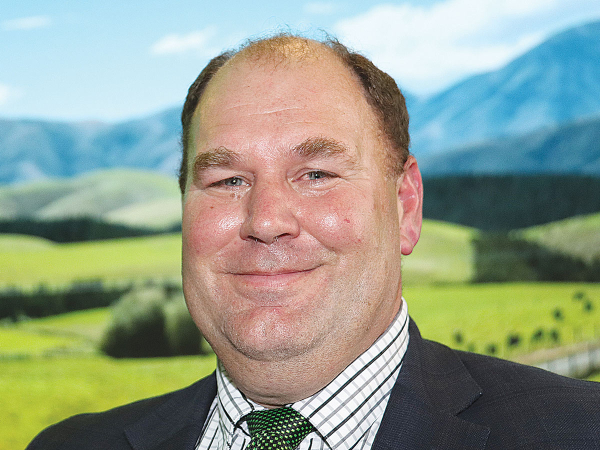 Biosecurity Minister Andrew Hoggard.
Today, public consultation begins on a series of proposals designed to strengthen New Zealand’s biosecurity system.
Included in those proposals are higher fines for passengers bringing in undeclared high-risk goods, greater flexibility surrounding import requirements, and fairer cost sharing for biosecurity responses.
Biosecurity Minister Andrew Hoggard says the future is about resilience, adding that the current Biosecurity Act – which is 30 years old – requires updating.
“A number of potential amendments are proposed to ensure it remains resilient and fit for the future,” Hoggard says.
He says New Zealand’s relative freedom from pests and diseases play a significant role in New Zealand’s competitive advantage, underpinning the country’s $53 billion food and fibre export industry.
“The Act is the legislative framework for the system that enables us to manage biosecurity risk and protect the economy and environment from harmful incursions,” Hoggard says. “This is important work, and we need input from primary industries, mana whenua, local authorities and the wider public to ensure we’ve got it right.”
The Ministry for Primary Industries (MPI) will lead the policy programme to amend the Act.
Consultation materials, including seven discussion documents setting out policy proposals for change are on MPI’s website and can be accessed by visiting https://www.mpi.govt.nz/consultations/
OPINION: Well, the silly season is upon us and all us politicians are running around shaking babies and kissing hands, or maybe the other way around.
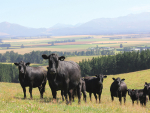
Bovine Viral Diarrhoea (BVD) is sometimes viewed as a dairy industry issue, but the reality is that the disease can have serious consequences for beef breeding herds as well.
It was billed as a chance for all the political parties to woo the rural vote, but question marks hang over just how effective this was.
Election years are always a concerning time for farmers, according to DairyNZ chair Tracy Brown.
There's been widespread support from the primary sector for the Government's announcement on changes to freshwater farm plans that come under the Natural Environment Bill, which is now set to replace the existing RMA.


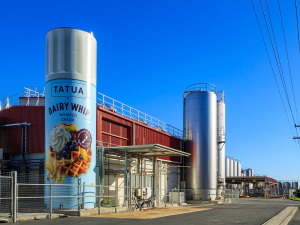
Waikato milk processor Tatua has again declared a record milk payout to farmer shareholders, leaving other processors in the dust.
A Labour-led Government won’t be bringing back the controversial freshwater rules of 2020.
National’s much-touted free trade deal with India featured in the Rural Issues Debate at Mystery Creek, Hamilton on Wednesday night.
New Zealand's 2026-27 freshwater fishing season has opened, with anglers encouraged to head to rivers and lakes over the coming days as conditions look favourable across much of the country.
Central Otago District Council (CODC) has voted against a plan to spread treated sewage sludge from Cromwell and Alexandra on farmland near Lauder, a decision Federated Farmers says reflects strong opposition from rural residents.
Pāmu has released its FY26 Integrated Annual Report, reporting a Net Operating Profit of $113 million, more than double the $49 million recorded in FY25.