China No Longer Just A Commodity Story - Luxon
China remains New Zealand’s biggest market, taking $23 billion of our exports, but it’s no longer a commodity story, says Prime Minister Christopher Luxon.
 increase font size
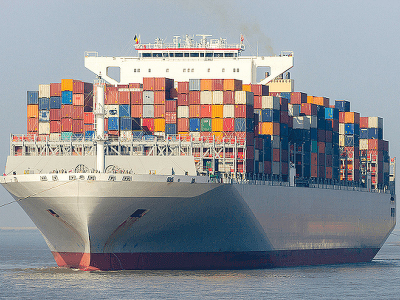 China is NZ’s single largest market for total primary exports.
It’s still unclear just how much the outbreak of coronavirus in China will affect New Zealand exports to that country.
China is NZ’s single largest market for our total primary exports and the number one for dairy, meat and wool, seafood and forestry. It is also high on the list for horticulture.
While there is no formal ban on our exports to China, the fact that the country is in lockdown is creating problems with distributing goods with many workers staying at home or facing restricted movement to do their work.
NZ Trade and Enterprise (NZTE) has set up a special section on its website, which is regularly updated.
It anticipates ongoing disruption to business for at least a fortnight, as Chinese local government agencies encourage staff to stay at home.
Meanwhile, market analysts AgriHQ say farmers are being stuck with stock because factors beyond their control are conspiring against them. It says record high farmgate prices in November and early December prompted many farmers to hold stock for longer than usual.
“Unfortunately, coronavirus came to a head when the market was expected to start picking up and consumption has collapsed.”
China remains New Zealand’s biggest market, taking $23 billion of our exports, but it’s no longer a commodity story, says Prime Minister Christopher Luxon.
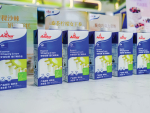
Fonterra is strengthening its foodservice presence in China with the launch of a new cream for professional bakeries at Bakery China 2026 in Shanghai.
OPINION: What does the birth rate in China have to do with stock trading? Just ask a2 Milk Company.
Additional tariffs introduced by the Chinese Government last month on beef imports should favour New Zealand farmers and exporters.
One of the most galling aspects of the tariffs whacked on our farm exports to the US is the fact that, now more than ever, US farmers are being propped up by government welfare – a direct result of Trump’s hardline on its trading partners.


Farmer-owned fertiliser company, Ballance Agri Nutrients is welcoming National’s plan to negotiate security agreements with key supplier countries to protect New Zealand-bound products from export restrictions and greater supply chain certainty.

Carrfields has announced the appointment of Stu Hall to the newly created role of chief operating officer, Carrfields Ltd, reflecting the continued growth of their agribusinesses and the need to ensure the company has the leadership capacity and support in place as it pursues the emerging opportunities ahead.
New Zealand's role is not to compete with Indian growers, according to NZ Apples and Pears.
The potato industry is celebrating the success of two rising stars - James Blair, the 2026 Young Grower of the Year and runner-up and innovation award winner, Amber Davy.
Twenty-eight emerging leaders from across the horticulture sector spent two days last month learning valuable skills and connecting with industry experts.
There are five entrants in this year’s Young Horticulturist of the Year, competing in a series of technical, practical, business and leadership challenges.