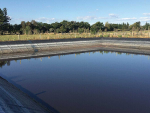
Dairy Effluent Management: Right Amount at the Right Time
Good effluent management on a dairy farm combines a well-designed system with proper processes to ensure the right amount of effluent gets applied to pasture at the right time.
 increase font size

HAMILTON DISTRICT Court has fined a Waikato based farm and a contractor for separate incidences of illegally effluent dumping.
Both farms were deemed to have inadequate systems in place due to their lack of contingency measures according to judge Melanie Harland.
Joe MacFarlane's farm near Te Kauwhata, received a fine of $55,800 after council staff inspecting the property in July last year, discovered an effluent hose placed next to a wetland.
The farmer had placed the hose there and had discharged all of the effluent from the farm's dairy shed into the wetland over the previous 19-days.
The farm's usual practice was to irrigate effluent directly to land as it was being produced. However, there were no contingencies to deal with effluent in the event of stormy weather or mechanical failure. In this case the irrigator had recently broken down and the effluent, estimated to be about 150,000 litres, was discharged directly to the environment instead.
"With all of the attention and profile around water quality nationally it is very disappointing to find such an inadequate system and, even worse, to find someone who made the conscious decision to dispose of effluent into a wetland for a prolonged period," says council investigations manager Patrick Lynch.
In a separate incident Orion Haulage Ltd has been fined $32,400 for illegally discharging into a stream.
The charge initially rose from a complaint about contamination in a Walton waterway in October 2013.
Council staff tracked the contamination back to a nearby dairy farm where they found a combination of dairy farm effluent and whey permeate discharging from an effluent pond directly on to the banks of the stream.
While Orion Haulage held resource consent to spread the dairy by-products on to the farm subject to certain conditions, poor management of the pond levels had allowed it to overflow.
"This case highlights the fact that even when a farm has good infrastructure in place, there is still a great need for that system to be managed at all times to prevent these types of discharges to the environment," says Lynch.
Good effluent management on a dairy farm combines a well-designed system with proper processes to ensure the right amount of effluent gets applied to pasture at the right time.
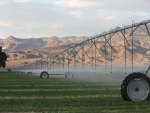
For years, IrrigationNZ has called for a coordinated national approach to water security, backed by enabling regulation, strategic infrastructure investment and sound technical practice. As the 2026 general election approaches, many of these priorities are now reflected in political commitments and legislative reforms. That represents significant progress, but the real measure of success will be turning policy into practical outcomes, says IrrigationNZ principal technical officer Stephen McNally.
Minister of Conservation Hon Tama Potaka has appointed Susan O'Regan as Chair of the Queen Elizabeth II National Trust (QEII) for a three-year term.
OPINION: The stats speak for themselves.
Farms across the upper North Island are trialling different pasture mixes as part of a research programme that aims to build greater resilience into farming systems.


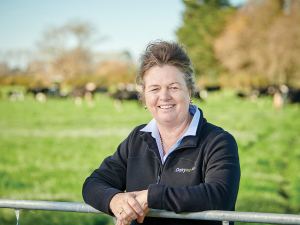
Farmers have until the end of this week to help shape DairyNZ’s future focus.
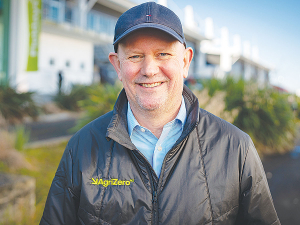
Wayne McNee, chief executive of AgriZeroNZ, has resigned and will leave the organisation on 15 January 2027.
The New Zealand dairy sector set a record in the 2025/26 season, producing more than two billion kilograms of milksolids for the first time.
Milk powder prices are continuing their merry run, firming up a potential $10/kgMS farmgate price this season.
Teachers are welcoming the outgoing Government’s U-turn allowing agriculture and horticultural science to remain a standalone Year 11 subject.
Outgoing ACT MP and dairy farmer Mark Cameron says Saturday’s election result reflects voters deeply impacted by the cost of living.