Fonterra Cuts 2026/27 Milk Price Forecast to $9.25
Fonterra has reduced its forecast 2026/27 Farmgate Milk Price.
 increase font size
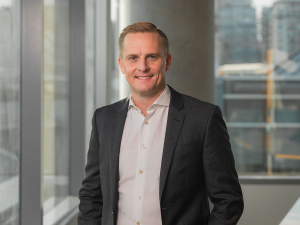
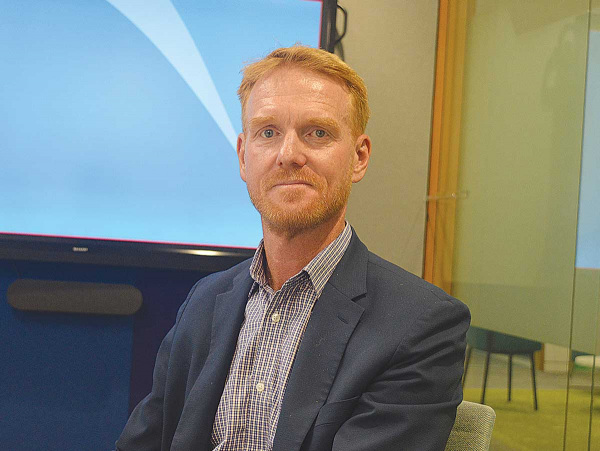 Fonterra’s global director of foodservice Paul Harvey.
Fonterra is revamping its food service strategy to match new trends triggered by Covid.
The co-operative is turning to innovation and fostering closer relationships with large-scale industrial kitchen operators to maintain its foothold in the food service sector.
Fonterra says 80% of the world’s food service businesses were forced to shut down overnight and most are still in and out of lockdowns.
Global director foodservice Paul Harvey says those who survived are the ones designed for delivery and takeout.
He says, in the US alone, 700,000 restaurants were forced to close. Starbucks reported a 46% slump in second quarter earnings and McDonalds temporarily closed 25% of its stores.
Covid also paralysed key tourism markets like Sri Lanka, Thailand and Vietnam – key foodservice markets for Fonterra.
Harvey says there are some signs of recovery; Fonterra’s China food service is back up.
“Covid has provided significant shock to the food service industry but we are starting to see symbols of hope,” he says.
Fonterra chief executive officer Asia Pacific Judith Swales says despite the global pandemic, the co-op’s food service business is doing well.
“It’s not all gloom and doom. Food service remains a hugely successful business for us,” she says.
For the 2019-20 financial year, Fonterra’s food service earnings before tax was 14%, an increase of $25m. But Swales says the co-operative will need to change its food service strategy to meet “some interesting trends”.
She says trends accelerated through Covid include: how food is prepared in stores, how customers are starting to engage with their suppliers and how consumers are purchasing food.
Swales says customers are simplifying menus and staff numbers are being reduced in kitchens.
She says many restaurants are shedding staff to manage costs and outsourcing food preparation to industrial kitchens.
“The good news for us is that we are well connected to these industrial scale kitchens.”
Swales says Fonterra must also ensure that its food service products are fit for delivery and takeouts.
For example, its mozzarella innovation must ensure that pizzas are piping hot and cheese still “stretchy” when the deliveries arrive home.
“When you go to a restaurant you’ve got about 30 seconds between the kitchen and the table. When the pizzas are going home, it might be half an hour.”
Swales says for Fonterra’s food service business it’s about growing market share by embracing change, thinking differently and putting “ourselves in our customers’ shoes”.
Fonterra has reduced its forecast 2026/27 Farmgate Milk Price.
Fonterra's Whareroa site took home the prestigious Directors Award at the co-op's 'Oscars of Manufacturing', while Clandeboye led the way with multiple wins at this year's Best Site Cup.
After 25 years it is the right time to step away, says Colin Glass, the retiring chief executive of New Zealand's largest private corporate dairying company, Dairy Holdings.
Fonterra is strengthening its foodservice presence in China with the launch of a new cream for professional bakeries at Bakery China 2026 in Shanghai.
OPINION: To a chorus of crying greenies, and not a minute too soon, the Government has moved to put the courts back in their place through proposed amendments to the Climate Change Response Act 2002, intending to limit climate litigation claims such as Smith v Fonterra, in the interests of providing greater certainty for vital industry.

Fonterra has reduced its forecast 2026/27 Farmgate Milk Price.
New Zealand dairy farmers are set to be the first in the world to receive access to a new digital physical milk pricing tool that enables them to fix the price for their physical milk.
State farmer Pāmu is opening its farm gates this summer in an effort to give the rural sector the opportunity to see how large-scale, multi-system farming is delivering productivity and profitability across New Zealand.
A five-year study has found that the cost of reducing emissions without technology may be significant and unsustainable for Northland dairy farmers.
DairyNZ says Waikato farmers need certainty on Plan Change 1, but they say that certainty must be matched with practical, workable rules and a clear transition that doesn't get ahead of the new resource management system currently under review.
While the Government has moved quickly to make commercial hauliers' lot easier during the current fuel crisis, they appear to be stuck in the creep box when it comes to the agricultural industry.