Jim van der Poel Honoured for 40 Years of Service to Dairy Industry
Dairy industry leader Jim van der Poel didn't make much of the invitation he received to the recent New Zealand Dairy Industry Awards in Rotorua.
 increase font size
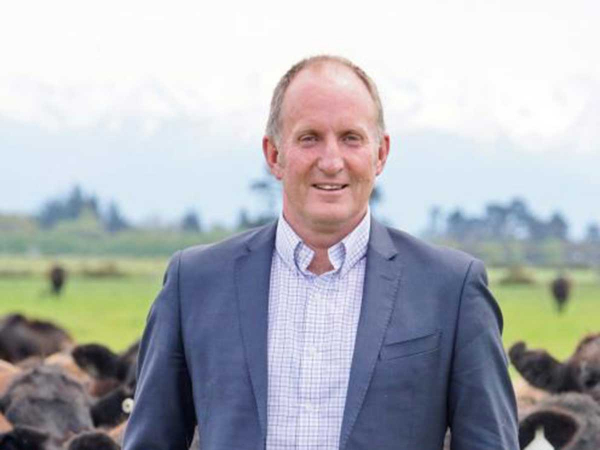 Beef + Lamb New Zealand chairman Andrew Morrison.
DairyNZ chairman Jim van der Poel claims not too many farmers are keen on an Emissions Trading Scheme (ETS).
He told Rural News that at the first few farmer meetings last week, "a vast majority" agreed with the other two options on the table - a farm-level levy and processor-level hybrid levy.
Van der Poel spoke at meetings in Waikato and Bay of Plenty last week. Discussions were "constructive".
"Once people get to know what we are seeking, they start to engage," he says.
Van der Poel says farmers realise that under an ETS, costs will escalate.
"It will become another tax; not too many people think an ETS is the best option."
The Primary Sector Climate Action Partnership (He Waka Eke Noa), which includes DairyNZ and B+LNZ, will report its recommendations to Ministers by May 31.
Van der Poel says the two options proposed by the partnership would deliver more positive outcomes for farmers and New Zealand than the NZ ETS.
"A farm-level levy and processor-level hybrid levy are more practical and reward positive change, while still achieving environmental outcomes.
"Some of the money raised will be invested back into R&D and on-farm work to reduce emissions."
Following initial farmer feedback on the options in December, the partners are also putting forward a two-phased approach, starting with the processor-level hybrid levy option and transitioning to a farm-level system in future.
B+LNZ chairman Andrew Morrison says doing nothing is not an option.
"If we don't move on this, the Government will put agriculture in the NZ ETS. They have already put this into legislation but have agreed to listen if we come up with a credible alternative," he says.
"We know this is a challenging and uncertain time for farmers but we need to keep going with this consultation and find the right solution," he says.
"We pushed hard for as long an extension as possible and the Government agreed to a month - this was the longest they felt fitted with their legislative timeframe. It's not ideal, but going for longer and ending up in the ETS is also far from ideal."
Dairy industry leader Jim van der Poel didn't make much of the invitation he received to the recent New Zealand Dairy Industry Awards in Rotorua.

The Climate Change Commission has recommended maintaining the current New Zealand Emissions Trading System (NZ ETS) settings but warns of a potential unit shortfall as early as 2028.
OPINION: I recently wrote an open letter to the Prime Minister because at a recent Federated Farmers meeting, Chris Luxon told me wind and solar generation is not subsidised.
Additional reductions to costs for forest owners in the Emissions Trading Scheme Registry (ETS) have been announced by the Government.
Farmers are welcoming the Government’s revised science-based biogenic methane targets for 2050.
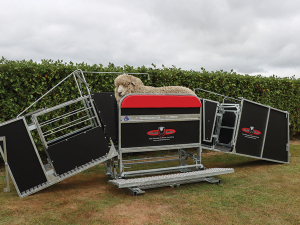
Oamaru-based livestock handling specialist Te Pari has bought Combi Clamp, the New Zealand manufacturer of Combi Clamp manual sheep handlers.
Agriculture Minister Todd McClay has admitted that a scheme bringing workers from Pacific nations to work on orchards has become too hard to navigate but says changes are coming.
A new app designed in New Zealand aims to help sheep, beef and deer farmers capture, analyse and use body condition score data more effectively.
Canterbury farmer Andy Macfarlane has been appointed to the board of AgriZeroNZ, the public-private partnership designed to accelerate the development and deployment of emissions reduction tools for New Zealand farmers.
For over 50 years Mel Ewers has been supporting the apple sector navigate through compliance and quality assurance issues.
The apple sector is enjoying a bumper harvest season.