
Final call for Alliance’s 2027 Graduate Programme
Alliance is calling for final applications for its 2027 Graduate Programme, with applications closing on Sunday 25 October.
 increase font size
 Mike Petersen.
The virtual collapse of the international food service sector may have an adverse effect of some exports of New Zealand meat.
According to the country’s former Special Trade Envoy, Mike Petersen, it will be a long time before the food service sector bounces back. He told Rural News that that a lot of NZ companies have been rightly chasing high-value markets with a focus on the food service sector.
“I believe there will be a lot of casualties in that space in the international markets, ranging from master importers, who are supplying restaurants and cafes, through to retail customers themselves,” Petersen says.
“The collapse of the food servicing sector will really hurt and the fact that we are heading into the holiday season in the northern hemisphere where there won’t be a tourist season this year is going to make demand quite subdued.”
Petersen says two of the casualties – in terms of product – are likely to be venison and premium cuts of lamb, which tend to go into the fine dining restaurants and cafes. He says the high-priced cuts are going to be challenging to sell.
However, he says on the positive side lower priced meats will likely come through the COVID-19 crisis well. He points to the example of beef and says because it is seen as a comfort food, prices could potentially rise.
“People will be looking for the likes of hamburgers, takeaways and meat that can easily be cooked at home.”
Petersen says given the chaos in the US market, there may be some short-term opportunities for gaps to be filled by NZ meat, while processing plants there are closed due to COVID. He says there are also promising signs in China as that market opens up.
Petersen says the outlook for apples and kiwifruit also looks good as consumers seek healthy foods. He also acknowledges though that dairy prices, especially for high value consumer products, may be down.
“My big concern remains what will happen in the light of the collapse of the food service sector around the world and what impact that may have on NZ in the coming season,” he says.
Alliance is calling for final applications for its 2027 Graduate Programme, with applications closing on Sunday 25 October.
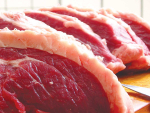
OPINION: There could hardly be a more appropriate theme for a conference than the one chosen by the red meat sector - Navigating Volatility.
New Zealand's red meat and fifth-quarter exports reached $867 million in August, up 23% on the same month last year, as stronger returns lifted earnings across all major markets.
Meat Industry Association data, released alongside the Red Meat Sector conference in Wellington, shows export value climbing across the US, China, UK and Canada.
OPINION: The stats speak for themselves.


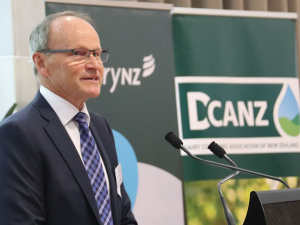
Dairy processors are ready to further boost New Zealand’s export earnings but want the incoming government to match their ambition with good policy.
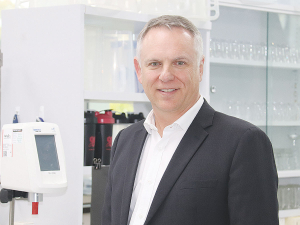
Massey University is best placed to solve the “problems” facing the dairy industry, says vice chancellor, Pierre Venter.
Synlait's longest serving employee – a man who joined the Canterbury-based milk processor even before it began processing milk – is now its newest executive.
A dairy industry leader believes eradicating the common and costly disease, Bovine Viral Diarrhoea (BVD) is within reach.
A farmgate milk price of $10/kgMS this season is firming up as milk powder prices soar and the New Zealand dollar weakens.
Federated Farmers has welcomed new rural policies released by ACT, saying they align closely with its own election priorities.




