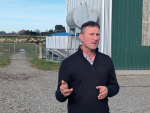
Farm Safety Improves Through 'Incremental Gain', Says Birkett
Improving health and safety is about incremental gain rather than a sudden decision, says Leeston farmer and Federated Farmers health and safety spokesman David Birkett.
 increase font size
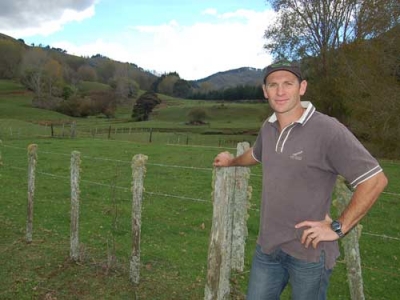
Sheep beef farmers are happy that most farms will not be classed as high risk work places and won't be required to have a health and safety representative, following changes to the Health and Safety Reform Bill.
Responding to suggestions that farmers are getting off lightly, Beef + Lamb NZ chairman James Parsons says sheep and beef farms average fewer than two full time employees per farm.
"Can you imagine the farm manager and the shepherd standing on a hill and electing the health and safety representative? Not classifying farms as high risk doesn't exempt farm businesses from any liability under the Health and Safety Reform Bill. But the amendment does recognise some basic practicalities of implementing the legislation on farms."
Beef + Lamb NZ, along with Federated Farmers, DairyNZ and farmers, has actively engaged with the government and WorkSafe New Zealand to help build a better understanding of the context and issues of farming.
"Few people realise that farms have 110,000 workers managing over half of New Zealand's estate. When you include families that live on these farms coupled with numerous visitors it's hard to eliminate every accident. However as an industry organisation we have said to the Government we will take responsibility for improving our safety record, so work with us please.
"We're all on the same page when it comes to reducing farm fatalities and accidents so along with other organisations in the sector, we've been working closely with government ministers and officials to find workable rules that deliver that outcome."
Parsons says the Government was to be congratulated for taking the special nature of farms into account and that Beef + Lamb NZ would be playing its part by supporting farmers to engage with good health and safety practices.
"Most farmers are already on-board with taking responsibility for making their farms a safe workplace as it's part of their everyday practices – just like their responsibilities to the environment and being good stewards of the land."
Parsons, who is in the middle of a series of roadshow meetings around New Zealand for the 2015 Sheepmeat and Beef Levy Referendum, says the health and safety regulations were a hot topic at many of the meetings and farmers would be pleased to hear about the proposed changes to the Bill.
"There are still many areas we need to keep working on with officials, particularly regarding quad bikes. Current WorkSafe New Zealand interpretations where passengers are supposedly not allowed in many cases creates more risk rather than less. This is the case if it means an inexperienced rider needs to operate their own quad bike rather than ride safely with an experienced rider who knows the farm and its hazards."
Improving health and safety is about incremental gain rather than a sudden decision, says Leeston farmer and Federated Farmers health and safety spokesman David Birkett.
A safety push across New Zealand has revealed significant gaps in hazardous substances management, farm vehicles, tractors, quad bikes and side-by-sides.
Matt McRae, a farmer from Mokoreta in Southland who runs a sheep, beef and dairy support business alongside a sheep stud, has been elected to the Beef +Lamb NZ Board as a farmer director.
Keeping healthy and safe during vintage 2026
Following a side-by-side rolling into a gully, Safer Farms has issued a new Safety Alert.
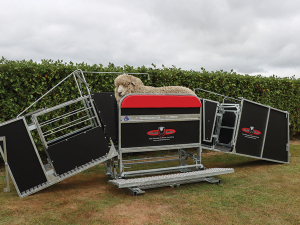
Oamaru-based livestock handling specialist Te Pari has bought Combi Clamp, the New Zealand manufacturer of Combi Clamp manual sheep handlers.
Agriculture Minister Todd McClay has admitted that a scheme bringing workers from Pacific nations to work on orchards has become too hard to navigate but says changes are coming.
A new app designed in New Zealand aims to help sheep, beef and deer farmers capture, analyse and use body condition score data more effectively.
Canterbury farmer Andy Macfarlane has been appointed to the board of AgriZeroNZ, the public-private partnership designed to accelerate the development and deployment of emissions reduction tools for New Zealand farmers.
For over 50 years Mel Ewers has been supporting the apple sector navigate through compliance and quality assurance issues.
The apple sector is enjoying a bumper harvest season.