Damien O’Connor Criticises Budget 2026 as ‘Miserable’ for Rural New Zealand
A miserable budget that didn’t deliver much for anyone.
 increase font size
 Agriculture Minister Damien O’Connor says farming must accept limits on how it operates.
Farming has turned a corner on water quality but must accept limits on how it operates, says Agriculture Minister Damien O’Connor.
O’Connor was speaking on his first visit as minister to the Lincoln University Dairy Farm run by the South Island Dairy Development Centre.
Much has changed, particularly in the South Island, since SIDDC was set up in 2001, he said.
“I say to the people who understood the need for such a centre, congratulations on your vision.
“Mostly the things that have happened have been amazing: development of new job opportunities, huge growth in dairying and smarter utilisation of water.”
But not all has been positive, claims O’Connor. The industry’s ‘social licence’ to operate has been eroded, sometimes through misunderstanding, and because the realities of some of the industry’s impacts have hit home.
O’Connor noted the recent National River Water Quality Trends report by Land, Air, Water Aotearoa (LAWA), saying NZ water quality is improving.
“Congratulations... for your part in that process; we have turned a corner and I think we’re heading in a positive direction.”
Farming’s biggest challenge now is to “get more for what we do,” O’Connor says.
“We can’t just keep doing more; we’ve reached a limit. It might be in land area, in the number of cows, in the amount of phosphate available to us or the amount of water we’re allowed to use.”
The minister was the guest speaker at the recent LUDF Autumn Focus Day which also launched the ClearTech dairy effluent treatment process developed jointly by Lincoln University and Ravensdown.
Said O’Connor, “Now we must accept there will be limits and we must get more for what we do now. ClearTech is a classic example of that direction.”
O’Connor said that in his university days there was a dislike of “smart bastards”, but farming now recognises their worth.
He said ClearTech system takes technology used elsewhere and applies it to dairy. He congratulated the developers for their lateral thinking applied to the industry’s problem.
Have your say
Damien O'Connor said another challenge facing the industry is the upcoming review of the Dairy Industry Restructuring Act (DIRA) which set up Fonterra.
The review will be wide-ranging to ensure the legislation serves all purposes as intended, “to protect dairy farmers and your future, to ensure consumers get a fair go and to ensure the structure of the dairy industry and our environment are protected into the future.
“The dairy industry is the biggest and best industry that we have -- bar none. Fonterra is the only multinational company NZers own and we should be proud of that and protect it.”
He urged all farmers to take part in the review.
A miserable budget that didn’t deliver much for anyone.
National's decision to ‘dribble’ information about the NZ/India to Labour contributed to the delay in it deciding to supported the FTA.
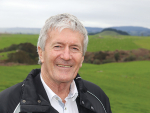
When it comes to international trade, politicians from all sides of the aisle are united, says Labour's trade spokesman Damien O'Connor.
Federated Farmers have reiterated their support for the coalition Government to abolish the present ban on the live export of animals.
As the coalition Government mulls new regulations to reinstate the export of live animals, debate is heating up between supporters and opponents.
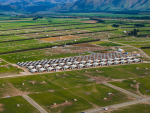
According to a progress report on the Aotearoa Horticulture Action Plan (AHAP), New Zealand's horticulture sector is making real progress on the big issues facing growers.
A team effort that is paying dividends for the wider New Zealand economy.
A strong sense of community involvement is what propelled the Federated Farmers' North Canterbury president Bex Green to the honoured title of the Feds' Advocate of the Year 2026.
The country's second largest milk processor is warning against 'complacency' during a review of competition regulations in the dairy sector.
Oamaru-based livestock handling specialist Te Pari has bought Combi Clamp, the New Zealand manufacturer of Combi Clamp manual sheep handlers.
Agriculture Minister Todd McClay has admitted that a scheme bringing workers from Pacific nations to work on orchards has become too hard to navigate but says changes are coming.