Future of NZ Agriculture Takes Centre Stage at E Tipu 2026
The New Zealand Future Food and Fibre Summit, E Tipu 2026, is the place for farmers who want to stay ahead in a rapidly changing sector, says FoodHQ chief executive Dr Victoria Hatton.
 increase font size
 FoodHQ chief executive Dr Victoria Hatton.
Food science and innovation hub FoodHQ recently celebrated its 10-year anniversary by launching a new physical office in Palmerston North.
Located in the building previously home to entrepreneur incubator The Factory, FoodHQ has taken on the lease from AgResearch in the science precinct of the city.
FoodHQ chief executive Dr Victoria Hatton says she is excited the physical presence will help to provide visibility to the organization and help to demystify what it does at a pivotal time in their development.
“In the past six to nine months we have done a lot of rethinking and reimagining to better understand what we want to be known for in the marketplace,” says Hatton.
“Across the FoodHQ partnership, we have the power to shape the future of food with the research, science and innovation that is happening in the sector,” she says. “The ability to take a physical stand and say this is us and where we are, is exciting, and it is poignant that this is 10 years on from the initiation of FoodHQ.”
Hatton explains that the FoodHQ team have great ideas for the space, with the intention of creating a thriving hub where people can come and talk about all things food.
There are also plans to grow edible plants everywhere in the space to embody the living, breathing agrifood ecosystem they are a part of.
The new look FoodHQ was unveiled at a private evening launch event on Wednesday 13th December in their new building.
The event also provided attendees with further insight into the Manawatū Regional Food Strategy, which was officially released at the event.
Hatton says the release of the strategy is timely because it aligns with FoodHQ’s desire to establish Manawatū as a “food basked of New Zealand”.
“It is important to realise the potential of FoodHQ to support this vision,” she says. “To do this, we need to have a go-to place that people can recognise and access.”
The regional strategy, commissioned by the Central Economic Development Agency (CEDA) in collaboration with Palmerston North City Council and Manawatū District Council along with an extensive group of partners and stakeholders, identified the region’s position in the agrifood ecosystem including how the region can best contribute to the New Zealand food story.
CEDA chief executive Jerry Shearman says the strategy sets a shared vision for the region, ensuring a bright future for food and agriculture, and guiding stakeholders.
“The success of the strategy, though, relies on a focused implementation plan, which we are beginning to roll out now. CEDA is well positioned to coordinate this implementation on behalf of the region, with a collaborative approach uniting the entire food value network.
“FoodHQ are, and will continue to be, instrumental in the region’s ability to succeed in the agrifood space and we look forward to supporting them in their new endeavour,” Shearman says.
The New Zealand Future Food and Fibre Summit, E Tipu 2026, is the place for farmers who want to stay ahead in a rapidly changing sector, says FoodHQ chief executive Dr Victoria Hatton.

The Netherlands and New Zealand have much in common, in both culture and economics, particularly in the areas of agri-food, horticulture and trade.


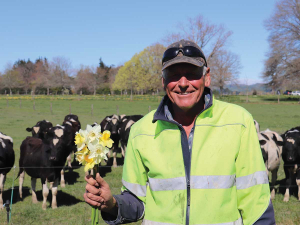
South of the central Hawke’s Bay town of Waipukurau is Taniwha Station – a highly successful 550ha bull beef farming operation.
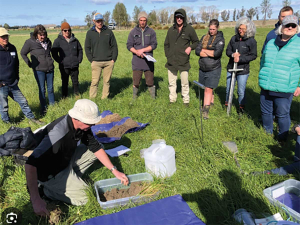
Beef + Lamb NZ funded research has shown that some simple changes to pasture management could help farmers make better use of rainfall and build resilience before dry conditions hit.
OPINION: There could hardly be a more appropriate theme for a conference than the one chosen by the red meat sector - Navigating Volatility.
When Northland leather worker Vernon Suckling started making horse saddles 50 years ago, quad bikes and side-by-side vehicles were unheard of.
Alliance Group has confirmed that eligible farmer-shareholders who supply and continue to back the business will receive up to $20 million later this year, following the strategic investment partnership with Dawn Meats.
With a general election under five weeks away, Rural News is asking major political parties about their policies and positions on key issues facing the primary sector. We will run their responses to each question over the next four weeks. The ACT Party and the Greens didn't respond in time.