Synlait FY26 Result: $75.4m Loss, Second-Half Profit
Synlait has swung to second-half profit as operations stabilise, but the dairy processor still posted a $75.4m annual loss.
 increase font size
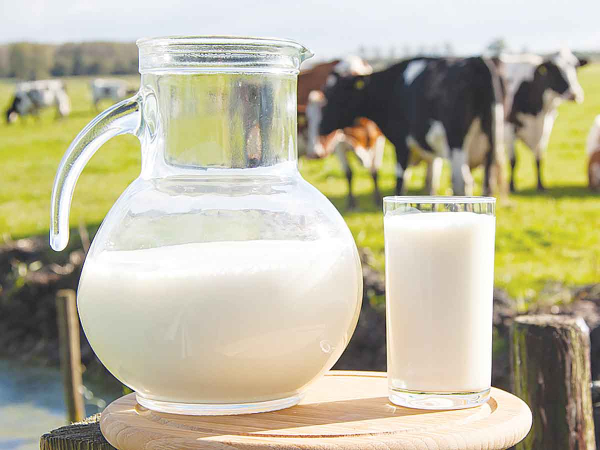 The GDT price index has risen over 18% this year, wiping out some of the losses from last year.
Global dairy prices are on a roll, recording a fourth consecutive jump on the Global Dairy Trade (GDT) auction this year.
The GDT price index has risen over 18% this year, wiping out some of the losses from last year.
The whole milk powder price is now sitting at US$3,706/metric tonne, its highest mark since September last year.
NZX dairy analyst Lewis Hoggard notes that skim milk powder (SMP) and butter continue to drag dairy prices upwards. In last week's auction, the butter price jumped 10% while SMP rose 3% and is sitting at a three-year high price of US$2,973/MT.
"SMP has been the most talked about commodity as of late, given significant volatility to start 2026," he says.
The latest rise in GDT prices makes a $9.50/kgMS milk price this season a near certainty.
Major banks have revised their forecast milk price for the season upwards.
Fonterra's latest forecast range is $8.50 to $9.50/kgMS, with a mid-point of $9/kgMS.
BNZ senior economist Doug Steel says that if prices were to remain around current levels for the remainder of the season, a 2025-26 milk price a touch above the top of Fonterra's forecast range is possible.
Steel says BNZ's forecast of $9.50 builds in some GDT price decline into season's end.
Synlait has swung to second-half profit as operations stabilise, but the dairy processor still posted a $75.4m annual loss.
Milk powder prices are keeping farmgate prices up, helping processors offset the dip in milk fat prices.
More signs of a booming kiwifruit sector.
After delivering a strong financial year, rural trader PGG Wrightson says the coming months will depend on customer confidence and weather.


Farmer-owned fertiliser company, Ballance Agri Nutrients is welcoming National’s plan to negotiate security agreements with key supplier countries to protect New Zealand-bound products from export restrictions and greater supply chain certainty.

Carrfields has announced the appointment of Stu Hall to the newly created role of chief operating officer, Carrfields Ltd, reflecting the continued growth of their agribusinesses and the need to ensure the company has the leadership capacity and support in place as it pursues the emerging opportunities ahead.
New Zealand's role is not to compete with Indian growers, according to NZ Apples and Pears.
The potato industry is celebrating the success of two rising stars - James Blair, the 2026 Young Grower of the Year and runner-up and innovation award winner, Amber Davy.
Twenty-eight emerging leaders from across the horticulture sector spent two days last month learning valuable skills and connecting with industry experts.
There are five entrants in this year’s Young Horticulturist of the Year, competing in a series of technical, practical, business and leadership challenges.