NZ Food Safety Boss on Balancing Speed and Risk in Approvals
Striking a balance between meeting the needs of industry to speed up approval time for products but on the other hand ensuring that risks are properly assessed.
 increase font size
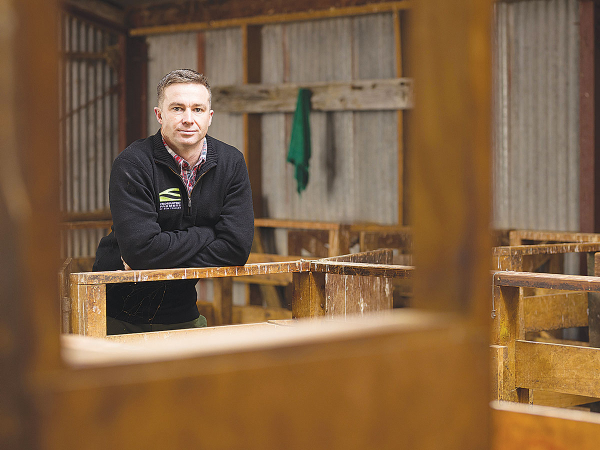 Federated Farmers meat and wool chair Richard Dawkins says there could be serious headwinds for government plans to double exports by 2030.
The Government is being warned that some recent bad policy decisions are undermining its target of doubling exports by 2030.
Farmers say that policies like failing to stop productive sheep and beef land conversions into forestry is working against growing exports.
Red meat farmers are fuming about recent changes made to the Emissions Trading Scheme by the environment select committee, which proposes tightening the temporary exemptions that would allow land converted after 4 December 2024 to enter the ETS, but has not fixed the land use class rules - the very section driving most conversions.
The legislation will stop land use capability (LUC) 1-5 land from entering the ETS and cap new registrations on LUC 6 land, but this doesn't address where the bulk of damage is being done: 89% of whole farm conversions to date have occurred on LUC 6-8 land.
Federated Farmers meat and wool chair Richard Dawkins told Rural News that if these issues aren't sorted out, there will be serious headwinds for government plans to double exports by 2030.
"Red meat earns about $12 billion a year, prices are strong, and we should be lifting stocking rates through better management and technology so we can bank the gains that are on offer.
"Allowing carbon forestry to roll across LUC 6 and 7 land cuts breeding numbers, drags down processor throughput and strips jobs out of the regions.
"That shrinks the export base just when we need volume and value growth. The growth path is productivity on the right land - genetics, pasture, smart tech - not converting pastoral country that underpins our red meat exports."
Beef+Lamb NZ chair Kate Acland says planting productive sheep and beef land in trees for carbon "is clogging the arteries of our economy".
"When we take whole sheep and beef farms out of production and lock it up in carbon farms, we restrict the flow of exports, jobs and opportunities," says Acland.
Acland says sheep and beef farmers will be essential to achieving the goal of doubling exports by 2030.
Nearly 20% of the total export earnings - $10.4 billion in 2024 - came from the red meat sector.
"This sector has a proud history of productivity and capturing value; doing more with less," says Acland.
"Despite a 7% reduction in volume, red meat exports increased by $1.2 billion last year and the outlook is incredibly positive for the next few years. There's a global protein shortage and New Zealand's farmers are well placed to meet this demand.
"Since 1990, sheep numbers have fallen by over 50%, yet lamb export volumes have remained largely stable - demonstrating decades of efficiency improvements.
"But productivity gains are not infinite. The sector is under increasing pressure from large-scale land use change, particularly the blanket conversion of whole farms into forestry for carbon credits."
But Agriculture Minister Todd McClay says the Climate Change Response (Emisssions Trading Scheme - Forestry Conversion) Amendment Bill "delivers the balance we campaigned on".
"Through consultation we've closed the loophole and tightened the 'intent to plant' rules so speculative buyers can't rush into the ETS without a genuine plan or suitable land," he told Rural News.
 |
|---|
|
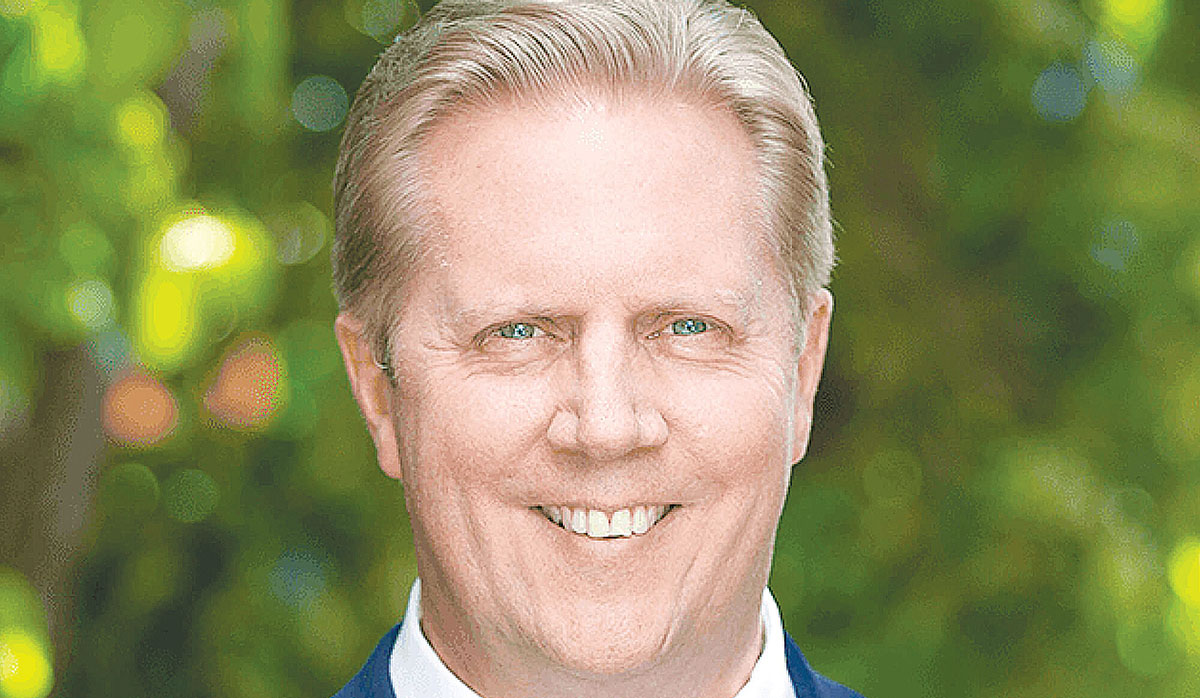
Agriculture Minister Todd McClay. |
The Minister says he shares farmers' concerns about the loss of productive farmland to carbon-only forestry.
"That's exactly why this Government is the first to take real action to stop blanket pine planting on our best soils and wind back Labour's reckless carbon farming incentives.
"For LUC 6 hill country, we've introduced a 25% carbon credit cap and strengthened consent requirements - so the days of unfettered whole-farm conversions are over. We'll monitor the impact closely, and if further action is needed, we won't hesitate to act."
On its export target, McClay says sheep and beef farmers are essential to New Zealand's export growth and the Bill "protects that by ensuring our best farmland stays in food production".
"Our goal of doubling the value of New Zealand's exports in 10 years relies on a strong red meat sector, alongside dairy, horticulture, forestry and other industries. That's why we're making sure forestry is integrated into the rural economy rather than replacing it."
Striking a balance between meeting the needs of industry to speed up approval time for products but on the other hand ensuring that risks are properly assessed.
Red meat farmers are welcoming Labour’s plan to review the Emissions Trading Scheme and not to campaign on pricing agricultural emissions.
The New Zealand Institute of Forestry (NZIF) says unnecessary changes to New Zealand’s Emissions Trading Scheme (NZ ETS) will seriously erode investor confidence and result in significant reductions in forest planting rates.
For the first time in a quarter of a century, Federated Farmers has something positive to say about the Labour Party’s climate change policy leading into a general election.
New Zealand's Emissions Trading Scheme (NZ ETS) encourages afforestation while not achieving climate goals, says a new report released by the Parliamentary Commissioner for the Environment, Simon Upton.


Federated Farmers has welcomed new rural policies released by ACT, saying they align closely with its own election priorities.

Rural Contractors NZ says proposed changes to land transport rules for agricultural vehicles are a welcome response by the Government to out of date regulations which have seen members hit with huge fines.
Alliance is calling for final applications for its 2027 Graduate Programme, with applications closing on Sunday 25 October.
Decades piloting planes has ensured vet and farmer David Hayes is focused on safety. So, after a serious accident while welding on farm, he is sharing his experience so others can learn from it.
Canterbury milk processor, Synlait Milk has confirmed Leon Fung as its chief executive officer.
OPINION: Making it easier to collect rainwater and use it to grow crops and livestock is a no brainer.