Damien O’Connor Criticises Budget 2026 as ‘Miserable’ for Rural New Zealand
A miserable budget that didn’t deliver much for anyone.
 increase font size
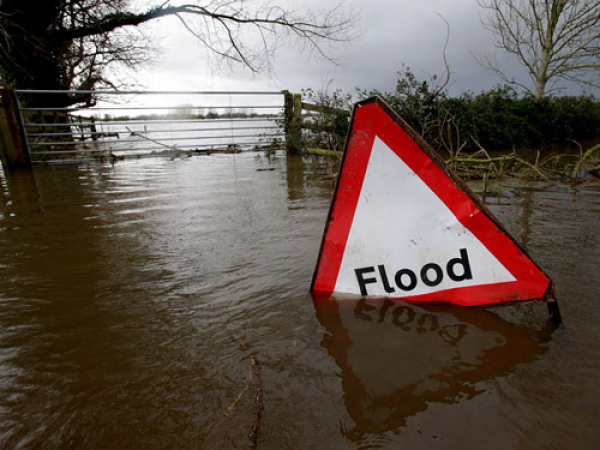 $100,000 funding has been unlocked for flood-affected farmers in the Tairāwhiti/Gisborne District
Rural Communities Minister Damien O’Connor has announced that Cyclone Hale, which earlier this week caused significant flood damage across the Tairāwhiti/Gisborne District, as a medium-scale adverse event.
The classification will unlock $100,000 of Government funding to assist in coordinating efforts as farmers and growers in recovering from the heavy rain and subsequent flood damage in the region.
“The effects of Cyclone Hale follow hard on the heels of other recent storm clean-ups in the region, compounding stresses for those involved,” O’Connor says.
“It’s important to help those farmers and growers now facing a big clean-up effort after the storm dumped over 200mm of rain over 24 hours in some parts of the district,” he says.
The Ministry for Primary Industries (MPI) will continue working closely with adverse event networks and sector groups to monitor the storm’s impact, determine where the need is and how the funding will be allocated.
A state of emergency, announced on Tuesday 10 January, remains in place across the district with many roads remaining closed, including parts of State Highway 35.
“While the extent of damage will take days to be revealed, it is clear there have been significant effects on some farms in the region, with silt and woody debris piled up and multiple roads closed,” says O’Connor.
“The debris on farms, hill slippage, road closures and damage to culverts, farm tracks and other infrastructure, means farmers and growers will face many months of work to get back on track.”
O’Connor claims the funding will help with the clean-up, enable one-on-one mentoring support, strengthen local connection through gatherings and events to support the region’s recovery.
In addition to the funding announced today, Inland Revenue has activated its Adverse Event Income Equalisation Scheme for the Gisborne District. This will enable farming and forestry businesses to even out income fluctuations by spreading their gross income from year to year.
“We will continue to assess whether further support is needed, such as Enhanced Taskforce Green for clean-up, as the full extent of the storm damage becomes more apparent over the coming weeks,” O’Connor says.
For support, contact:
- DairyNZ: 0800 4 DairyNZ (0800 432 479 69)
- Beef + Lamb New Zealand: 0800 BEEFLAMB (0800 233 352)
- Federated Farmers: 0800 FARMING (0800 327 646)
- Farmers requiring wellbeing support can contact their local Rural Support Trust on 0800 RURAL HELP (0800 787 254)
A miserable budget that didn’t deliver much for anyone.

National's decision to ‘dribble’ information about the NZ/India to Labour contributed to the delay in it deciding to supported the FTA.
When it comes to international trade, politicians from all sides of the aisle are united, says Labour's trade spokesman Damien O'Connor.
Horticulture New Zealand (HortNZ) chief executive Nadine Tunley says the industry-good body’s support for growers has proven to be multifaceted.
Federated Farmers have reiterated their support for the coalition Government to abolish the present ban on the live export of animals.


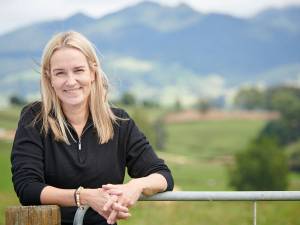
Minister of Conservation Hon Tama Potaka has appointed Susan O'Regan as Chair of the Queen Elizabeth II National Trust (QEII) for a three-year term.
Red meat farmers are welcoming Labour’s plan to review the Emissions Trading Scheme and not to campaign on pricing agricultural emissions.
Where any worker in the kiwifruit industry is mistreated, we expect the authorities to take action.
Mid Canterbury Federated Farmers arable chair, Bevan Lill, said Beef + Lamb NZ data indicated that for the last six years, the average arable return on investment was about 0.8% while inflation ran about 4% - so the average arable farm was going backwards at about 3% a year.
Seed and grain companies share the concerns of arable farmers about the viability of their sector, says Seed and Grain New Zealand chief executive Dr Sarah Clark.
The New Zealand Institute of Forestry (NZIF) says unnecessary changes to New Zealand’s Emissions Trading Scheme (NZ ETS) will seriously erode investor confidence and result in significant reductions in forest planting rates.