Fonterra launches farmer-led youth dairy programme in Waikato and Bay of Plenty
A new farmer-led programme aimed at bringing young people into dairy farming is under way in Waikato and Bay of Plenty.
 increase font size
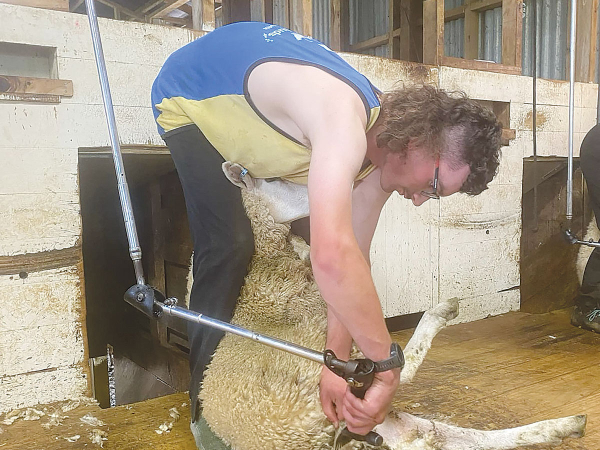 Students gain skills, confidence and resilience on farm. Photo Credit: Growing Future Farmers Facebook Page.
A charity that connects young people with farmers for two years of on-farm training is reporting 150 student applications for its 2026 intake.
However, with demand exceeding placements by nearly 90%, Growing Future Farmers (GFF) is now calling on experienced farmers across King Country, Otago and Canterbury to come on board as farm trainers.
GFF chief executive Wendy Paul says the record applications are a clear sign that young people are embracing farming as a meaningful and rewarding career path.
"These aren't just numbers on a spreadsheet; they represent young people who are choosing agriculture as their career path, at a time when some are questioning the industry's future," says Paul.
She adds that with strong demand from motivated students aged 16-21, many of whom are making farming their first choice, the call for more trainers is urgent.
"If you've ever thought about your legacy and how your knowledge and experience could benefit the next generation, this is your moment," she is telling farmers.
Founded by Dan and Tarm Jex-Blake from Mangapoike, GFF connects young people with experienced farmers to learn on the land. Students gain real skills, confidence and resilience through hands-on farm experience, mentoring, and structured support. Over two years, they develop essential livestock and agribusiness skills while contributing to daily farm operations four days a week, supported by formal learning one day a week.
Paul says GFF farm trainers play a vital role in this journey, not only by teaching practical skills but also by helping shape future leaders in agriculture.
"When you become a farm trainer, you're investing in the future of New Zealand agriculture. You're passing on your knowledge, building capability in the sector, and contributing to the sustainability of our industry," says Paul.
"We'd love more farm trainers across New Zealand, but right now, we're particularly seeking farm trainers in Canterbury, King Country, and Otago. These regions have strong student interest but limited training placements. Every farm trainer we can add in these areas means another young person gets the opportunity to build a career in agriculture."
She says the benefits of training go both ways. Many farmers who take on GFF students say they gain fresh perspectives, renewed motivation, and stronger team culture on-farm. GFF offers full support to its trainers, including dedicated Student Success Advisors, and substantial help with admin and training coordination.
"The young people applying to our programme are ready to work and eager to learn - they're choosing agriculture as their first career choice, not as a fallback.
"If you've ever wanted to make a real impact in agriculture, this is your chance. We have a proven programme that works. We have the support systems in place. What we need now is you."
GFF is inviting farmers to get in touch for "a no-pressure chat" to learn more about becoming a trainer.
More information is available at www.growingfuturefarmers.co.nz/farm-trainers.
A new farmer-led programme aimed at bringing young people into dairy farming is under way in Waikato and Bay of Plenty.

In partnership with Growing Future Farmers (GFF), Fonterra says it is increasing support for young people entering the dairy industry with a new two-year programme.
Former Fonterra senior staffer Wendy Paul has been appointed the new chief executive of specialised training provider Growing Future Farmers.
A programme providing school leavers with a viable career option in agriculture has seen student numbers soar in recent years.
The world is the oyster of those who choose to be part of an industry that contributes to the most important thing in the world - sustainably produced food.


Pāmu has released its FY26 Integrated Annual Report, reporting a Net Operating Profit of $113 million, more than double the $49 million recorded in FY25.

Meat Industry Association data, released alongside the Red Meat Sector conference in Wellington, shows export value climbing across the US, China, UK and Canada.
Applications are set to open for the 2027 Zanda McDonald Award, a trans-Tasman award recognised for identifying and fast-tracking talented young leaders in agriculture and agribusiness.
The Royal New Zealand College of General Practitioners (the College) and Hauora Taiwhenua Rural Health Network are calling for investment in a proposed new training pathway for rural GPs, warning that many rural practices are struggling to recruit while a large share of the existing workforce nears retirement.
Federated Farmers has called on Central Otago District Council (CODC) to drop or vote down a plan to truck sludge from Alexandra and Cromwell to farmland near Lauder, warning it would compound an "outrageous" situation created by a separate council's decision weeks earlier.
Synlait has swung to second-half profit as operations stabilise, but the dairy processor still posted a $75.4m annual loss.