Peter Chrisp Appointed New Director-General of Conservation
Former head of New Zealand Trade and Enterprise Peter Chrisp is the new director-general of the Department of Conservation.
 increase font size
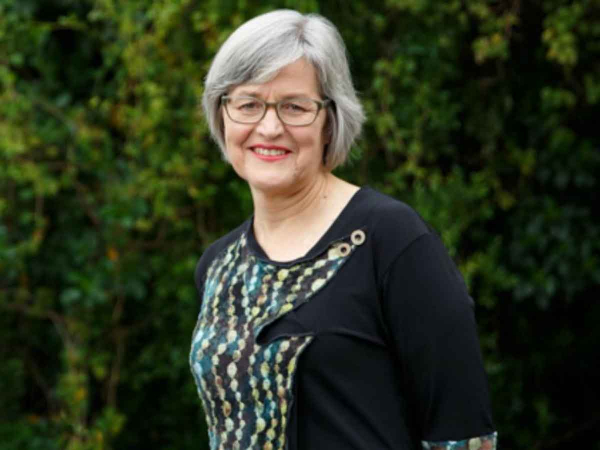 Minister of Conservation Eugenie Sage.
340 people are now employed working for nature as part of the Government’s COVID-19 recovery plan.
Minister of Conservation Eugenie Sage announced the number today while visiting workers at Canterbury’s Craigieburn Range.
The site is currently home to a large-scale wilding pine control operation, deploying new contractors who have lost their previous jobs in the tourism, hospitality, recreation and hunting sectors due to the impacts of COVID-19.
“I’m delighted that 340 people have already been employed on conservation projects so far as part of the Government’s investment in job redeployment for those affected by the COVID-19 downturn,” says Sage.
“The jobs involve a range of conservation work including improving walking tracks, fencing, trapping predators to look after birds and bush, and removing wilding pines.
In March, the Ministers’ for Economic Development, Employment, Forestry and Regional Economic Development announced $100 million to provide employment opportunities for workers in the hardest hit regions.
As part of this package, the Department of Conservation (DOC) received $3.9 million for creating conversation jobs.
Further funding was announced in Budget 2020, with DOC being allocated over $500 million a $1.1 billion nature based jobs package to deliver employment opportunities for 6,000 people over the next four years.
Sage says since field work re-commenced at Alert Level 3, DOC has completed 18 projects that employed 110 people. A further 42 other conservation projects are running with 230 people.
Former head of New Zealand Trade and Enterprise Peter Chrisp is the new director-general of the Department of Conservation.

OPINION: The previous government spent too much during the Covid-19 pandemic, despite warnings from officials, according to a briefing released by the Treasury.
OPINION: Labour leader Chris 'Chippy' Hipkins is carrying on the world-class gaslighting of the nation that he and his cohorts started after their disastrous Covid response; now trying to undermine the Covid inquiry to protect his own backside.
OPINION: Did former PM Jacinda Ardern get fawning reviews for her book?
OPINION: Welcome to the second annual NZ Dairy Expo at Matamata – an event created to bring together the best of the New Zealand dairy industry in a focused, grassroots environment where dairy farmers and rural professionals can meet, talk, compare products, and make smart decisions for their farms.


Fonterra has reduced its forecast 2026/27 Farmgate Milk Price.
New Zealand dairy farmers are set to be the first in the world to receive access to a new digital physical milk pricing tool that enables them to fix the price for their physical milk.
State farmer Pāmu is opening its farm gates this summer in an effort to give the rural sector the opportunity to see how large-scale, multi-system farming is delivering productivity and profitability across New Zealand.
A five-year study has found that the cost of reducing emissions without technology may be significant and unsustainable for Northland dairy farmers.
DairyNZ says Waikato farmers need certainty on Plan Change 1, but they say that certainty must be matched with practical, workable rules and a clear transition that doesn't get ahead of the new resource management system currently under review.
While the Government has moved quickly to make commercial hauliers' lot easier during the current fuel crisis, they appear to be stuck in the creep box when it comes to the agricultural industry.