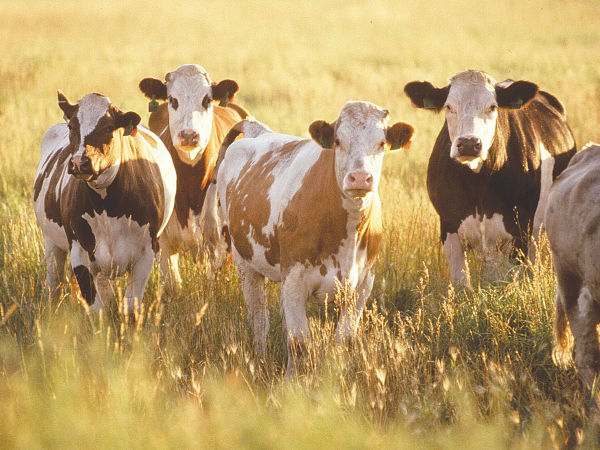
The Ministry for Primary Industries (MPI) has confirmed that the herd of Canterbury cows found with a new strain of Mycoplasma bovis will be culled.
MPI’s M. bovis programme director Simon Andrew says his organisation is working with the farmer to determine a convenient time for the herd to go. He says the farmer and his family are being very cooperative at this difficult time.
“There is a programme whereby we provide pastoral support for the farmers and their family and community,” Andrew told Rural News.
“That’s why we have good relationships with our partners such as DairyNZ and B+LNZ and we have got an independent group that supports farmers when in putting compensation claims through as well. Then we have got the Rural Support Trust in there as well providing support,” he says.
Andrew says MPI is continuing its investigation into how the new strain of M. bovis, known as strain 29, got into the herd. He says they are looking at a number of pathways it might have taken into NZ and onto the property, including farm machinery, frozen semen and embryos. MPI wants to get a clear understanding of what has happened and will continue their extensive testing programme.
He says in addition to the testing on the affected farm they have a rigorous ongoing testing programme that they do nationally and have got confidence that, with this and the traceability work, they will be able to identify any new risks.
Andrew says every commercial dairy farm in the country is tested fortnightly through the bulk tank milk surveillance programme and other targeted testing.
“There is no evidence of this strain being found anywhere else, but it is important that we continue to do the testing. We are in a very different place to where we were when M. bovis first came into the country. We have a significant testing programme, technical and operational capability and experience in dealing with it,” he says.
Andrew says a number of actions have been taken in recent times to mitigate the risk of the disease going unchecked. He says new import health standards have been introduced to deal with frozen semen and that will reduce risk.
“We will just continue to do the investigation and we have to be openminded that it might be difficult to identify a categorical link to the new strain. But it’s important to note that all the respective pathways are incredibly low risk,” he says.
He says they will continue to seek advice from technical experts in NZ and overseas, but points out than many overseas countries are very interested in the work that MPI is doing here.