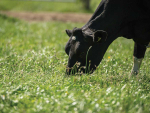
DairyNZ Resilient Pastures Trial Expands Across North Island
Farms across the upper North Island are trialling different pasture mixes as part of a research programme that aims to build greater resilience into farming systems.
 increase font size

RURAL WOMEN New Zealand reminds Far North farming families to be mindful about health issues in dealing with flood waters, inclduing the elevated risk of leptospirosis.
Families should be careful about drinking water, pull on their gumboots, wash hands and faces thoroughly, and cover cuts and grazes before they come into contact with flood water to reduce the chance of getting infections, in particular leptospirosis, Rural Women says.
The leptospirosis bacteria is shed in the urine from infected animals including stock, rodents, dogs, possums, and hedgehogs and is more easily spread about where there is excess surface water as the Far North is currently experiencing.
It gets into the body through cuts and cracks in the skin and the eyes, nose and mouth. The bug also may enter through softened skin that has been in contact with water for a while.
The added difficulty is that animals that are infected may be without symptoms so it is safest to treat all surface water as infected with the bacteria. Animals can become ill too and a lepto vaccine is available for them.
Symptoms in people may be a minor flu like illness however in a more severe form symptoms may include severe headaches, high fever, nausea, jaundice and kidney damage and other debilitating symptoms.
If you are experiencing flu like symptoms please see your doctor immediately. Once detected there is effective treatment available. Rural Women New Zealand has a long association with Leptospirosis research with Massey University. The latest research project was completed in June this year.
Farms across the upper North Island are trialling different pasture mixes as part of a research programme that aims to build greater resilience into farming systems.

OPINION: Since when did one and one make three? Who didn't smell an elephant-sized rat when our leaders decided to give $60 million to save the cement factory in Northland?
New Zealand needs to make sure that it continues to focus on its own food security, according to HortNZ board member and blueberry grower Dermott Malley.
A five-year study has found that the cost of reducing emissions without technology may be significant and unsustainable for Northland dairy farmers.
Northlanders scooped the pool at this year's prestigious Ahuwhenua Trophy Awards - winning both the main competition and the young Maori farmer award.


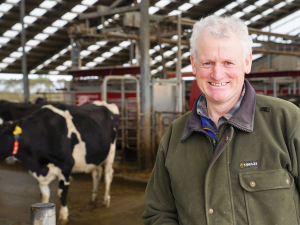
In Dacre, near Invercargill in New Zealand’s South Island, Bruce Dinnington is running a dairy operation unlike any other.

A free online platform aggregating governance vacancies across rural and regional New Zealand has been launched.
Environment Minister Nicola Grigg has announced details of a new rural plastics recycling scheme.
Agricultural drone operators say that a government decision to allow lower-risk drone work without certification won’t lower standards but drive innovation and efficiency.
OPINION: Warning bells are ringing in the arable sector.
Farmgate lamb prices are down by 8%, beef cattle by 4.5% and farm expenditure up by 4.2%.