NZ Beef Mince Now Over $24/kg as Export Demand Stays Strong
New Zealand consumers are paying more for beef mince than ever before, with the average retail price now sitting above $24 per kilogram, according to Rabobank.
 increase font size

With a no-deal Brexit looming, NZ meat exporters face the prospect of paying tariffs twice on product going from the UK to the EU.
After March 29 the UK moves to WTO rules and countries with trading blocs set a schedule of tariffs with the WTO. The UK has said it has a draft schedule almost identical to that of the EU.
The EU tariffs are fairly low except for agricultural products which get very high for lamb or beef – in the 49-50% range, says Nick Swallow, NZ trade commissioner to London.
“Even though they have the same schedule it still means you have to pay a tariff if goods move between Europe and the UK,” he told a NZTE seminar on Brexit in Auckland last week.
“That means there is no change [to your tariffs into the UK] if you are a NZ company sending goods into the EU. But if you are sending goods to the UK and then sending them off to Europe you will [pay] a tariff going into the UK and then across into the EU. So you get doubly charged in that sense.”
A no-deal situation will come into force if the EU and UK can’t agree on Brexit arrangements before the March 29 exit date.
Outlining other considerations for NZ businesses exporting into the UK and EU if a no-deal occurs, Swallow warned of UK customs officials having a tide of new customs declarations to process and tariffs to collect.
Freighting delays with Britain are expected and some large companies are block-booking freight forwarding and trucks after March 29.
Delays at the border will be a threat and hard to quantify. Some NZ companies are increasing their UK stock capacity to allow for border delays ranging from six weeks to 18 weeks.
Swallow says businesses should check issues on contracts, data and the status of EU workers in the UK. He also urges them to verify packaging and labelling, shipping – especially in March and April – and terms of trade, and talk to their customers and partners in the UK or EU about how a no-deal Brexit may impact them.
New Zealand consumers are paying more for beef mince than ever before, with the average retail price now sitting above $24 per kilogram, according to Rabobank.

After delivering a strong financial year, rural trader PGG Wrightson says the coming months will depend on customer confidence and weather.
Prime Minister Christopher Luxon says the red meat sector is doing an excellent job promoting our pasture-fed system around the globe.
OPINION: After two long years of hardship, things are looking up for New Zealand red meat farmers.
Tighter beef and lamb production globally have worked to the advantage of NZ, according to the Meat Industry Association (MIA).


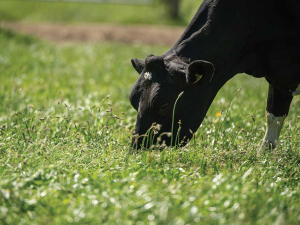
Farms across the upper North Island are trialling different pasture mixes as part of a research programme that aims to build greater resilience into farming systems.
Election years are always a concerning time for farmers, according to DairyNZ chair Tracy Brown.
The Ballance Farm Environment Awards are coming to the West Coast of the South Island.
Most dairy regions around the country have had a pretty good season so far says Tracy Brown.
Rural leader Mark Hooper has been appointed as an independent director to the NZPork board, bringing extensive farming, governance and advocacy experience to the role.