
Feds Back National’s 19 Farming National Standards
National’s pledge to introduce 19 new national standards shows the party is serious about getting Wellington out of farming, Federated Farmers says.
 increase font size
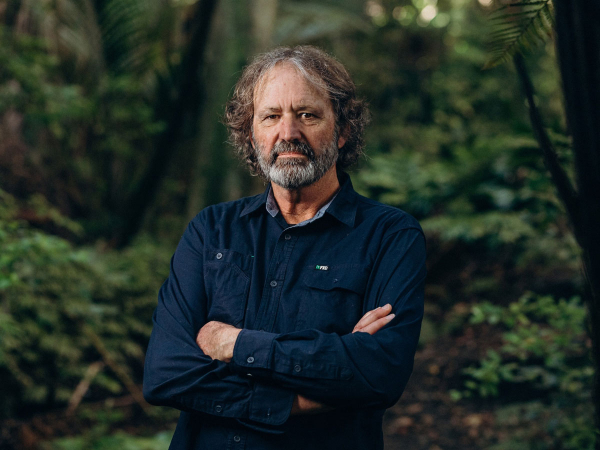 Dr Mike Joy
Academic Dr Mike Joy and his employer, Victoria University of Wellington have apologised for his comments suggesting that dairy industry CEOs should be hanged for contributing towards nitrate poisoning of waterways.
However, the University seems not to have taken any disciplinary action against Joy.
In a post on LinkedIn yesterday, Joy says the comment was not aligned with his values or those of Victoria University of Wellington.
“I realise this was completely out of order and unnecessarily inflammatory: I unreservedly apologise to anyone offended,” he says.
In a separate statement to Rural News, Victoria University Vice-Chancellor Nic Smith also offered his apologies.
“We have a proud tradition of activism and lawful protest, and strive to offer an environment where all members of our community can explore new ideas, change their own minds, and seek to change others’ minds,” says Smith.
“A call for violence—whether intended or perceived—against any member of our broader community is fundamentally at odds with both our values as a University community and the standards we hold ourselves to when fulfilling our essential role as critic and conscience of society.
“Dr Mike Joy has unreservedly and publicly apologised for his recent LinkedIn post, which he acknowledges did not meet these standards. On behalf of the University as a whole, I also want to apologise to everyone affected by his comments.”
Smith says the University upholds the principles of academic freedom and freedom of expression, which are fundamental to the role of universities in New Zealand society.
“At the same time, we are committed to ensuring that debate is respectful, evidence-based, and offers the kind of humility that supports collective understanding.”
On a LinkedIn post a month ago, Joy commented on a story by Jude Daltry about the notorious Minnie Dean, who was hanged for killing babies in Southland.
He claimed the dairy industry is currently putting babies (and adults) at risk with nitrate contamination of drinking/groundwater and asked, “How about we bring back hanging for industry CEOs”?
Federated Farmers is calling for the University to terminate Joy’s appointment and wrote to Smith earlier this week.
While Smith has responded to Federated Farmers, Karl Dean, Federated Farmers dairy chair, says Smith’s letter “lacks substance given the serious nature of the complaint”.
"For a senior academic at Victoria University of Wellington to publicly insinuate anyone in New Zealand should be hanged is totally unacceptable.
"It’s extremely disappointing - and frankly surprising - that the vice-chancellor hasn’t taken disciplinary action against Dr Joy.
"By failing to do so, his response is little more than a slap on the wrist with the wettest of bus tickets, and is a tacit endorsement of Dr Joy’s atrocious comments.
"Yesterday our main concern was Dr Joy’s deplorable comments, but now we’re even more concerned about the university’s decision not to take action.”
Dean is seeking a formal meeting with Smith top discuss the matter.
National’s pledge to introduce 19 new national standards shows the party is serious about getting Wellington out of farming, Federated Farmers says.

Mobile phone coverage and reliability are deteriorating in rural areas, and farming families are bearing the cost, according to a Federated Farmers survey.
Central Otago District Council (CODC) has voted against a plan to spread treated sewage sludge from Cromwell and Alexandra on farmland near Lauder, a decision Federated Farmers says reflects strong opposition from rural residents.
Federated Farmers has called on Central Otago District Council (CODC) to drop or vote down a plan to truck sludge from Alexandra and Cromwell to farmland near Lauder, warning it would compound an "outrageous" situation created by a separate council's decision weeks earlier.
Federated Farmers says new legislation replacing the Resource Management Act will cut red tape, unlock investment and help grow New Zealand's export-led economy, after the Planning Bill and Natural Environment Bill passed their third reading in Parliament yesterday.



National’s pledge to introduce 19 new national standards shows the party is serious about getting Wellington out of farming, Federated Farmers says.
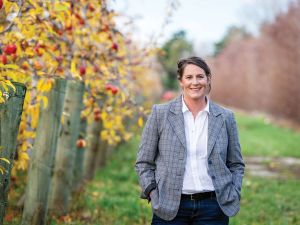
The National Party’s policies to make it easier to grow fresh vegetables, secure reliable water and energy and simplify farm planning are practical changes that will give growers the confidence to invest, according to Horticulture New Zealand (HortNZ).
Fonterra Co-operative Group chief financial officer Andrew Murray has resigned to take up a role outside the dairy giant.
A major move is about to get underway to improve the quality and viability of dairy beef and cattle in NZ.
Veterinarians say changes to the code of welfare for dairy cattle provides a positive foundation for improved cattle welfare across the country.
Today, 15 October, is the International Day of Rural Women, which recognises rural women’s contribution to farming, communities and the environment.