
NZ Milk Price Could Hit $10/kgMS as Global Supply Eases
A 'tsunami' of milk from key exporting countries is winding down and this may be good news for New Zealand dairy farmers.




 increase font size
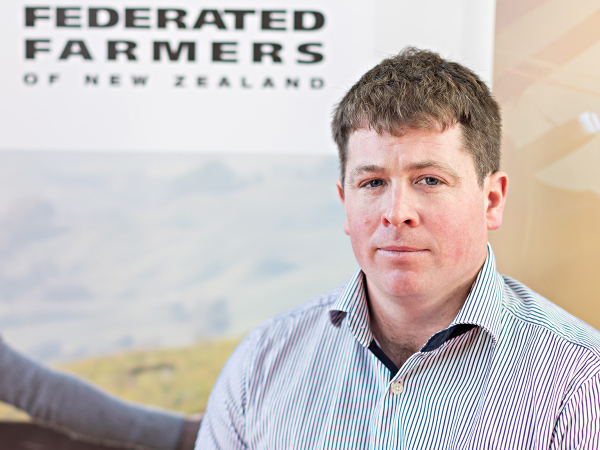 Karl Dean
Rapid growth in dairy farm worker pay in recent years means more money in the pockets of New Zealanders, says Federated Farmers dairy chair Karl Dean.
He says migrants still make up only a small percentage of the farming workforce.
He was commenting on the findings of a new report that shows farm worker pay growth has levelled off after a post-pandemic period of rapid growth.
The 2026 Federated Farmers-Rabobank Farm Remuneration Report shows the average salary for a farm worker increased by $1,367 to $72,778, or a weighted average rise of 3% across 13 job positions.
However, that is well down from the average annual salary rise of 13%, and a weighted average of 17% for sheep and beef farm roles, between 2022 and 2024.
The report says the slowing in pay rises in the last two years is consistent with broader labour market trends, with wage growth across the economy typically 2-4% annually.
Dean, who is also Feds' employment spokesman, says increases have been higher for some roles.
"For example, the average salary for a dairy farm assistant rose to $63,359 this year, a rise of 5%.
"Wages for an arable farm machinery operator jumped a massive 30% to $82,651."
The report collated results from a survey of 427 farm employers covering nearly 1,500 employees.
Dean told Rural News that about 75% of dairy farm assistants are New Zealanders and only about 16% are on a visa - and about half of those are on working holiday visas and essentially only here for the spring rush.
In the more senior dairying roles such as herd manager and assistant manager, Dean said migrants make up a higher percentage, probably because Kiwis have greater opportunities to progress into ownership roles.
"If you are on a work visa, you cannot own a business in New Zealand. That means that in the dairy sector, you can't go into contract milking or variable order share milking, until you've become a permanent resident, which generally takes five or six years."
Bruce Weir, Rabobank general manager for country banking, says despite a relatively modest lift over the last two years, the sector's recent strong performance makes it an attractive option for young Kiwis.
"The agri sector has performed really strongly over the last 18 months and has been the shining light of the New Zealand economy," he says.
"The sector's long-term outlook remains positive, and the strong investment we're currently seeing should flow through to new job opportunities in the years ahead."
However, Weir says ongoing salary growth is also essential to ensure the sector continues to entice the next generation into agri careers.
"Remuneration matters to young people, and attracting strong talent will depend on on-farm salaries keeping up with - or surpassing - the wider employment market."
A 'tsunami' of milk from key exporting countries is winding down and this may be good news for New Zealand dairy farmers.

Chinese beef trade quotas and a looming suspension of Brazilian beef imports into the European Union are expected to reshape global beef trade flows over the remainder of 2026, with implications for New Zealand exporters, according to Rabobank's Q3 Global Beef Quarterly report.
New Zealand consumers are paying more for beef mince than ever before, with the average retail price now sitting above $24 per kilogram, according to Rabobank.
West Otago dairy farmer Luke Kane has been awarded the 2026 Rabobank Dr John Morris Business Development Prize.
Twenty five secondary school students from around New Zealand recently completed a three day residential programme designed to explore career opportunities across the food and fibre production supply chain.

Converting a longstanding cropping farm to dairy was the only way to ensure the land stayed in the family long term, says new dairy farmer Rod May.

As the election heats up, Organics Aotearoa New Zealand (OANZ) has launched its election scorecard designed to help voters wanting to support policies that grow organic and New Zealand's organic sector.
A 'tsunami' of milk from key exporting countries is winding down and this may be good news for New Zealand dairy farmers.
Will the good times last? That's one of the key issues to come out of the latest Federated Farmers confidence survey.
Outgoing Fonterra Co-operative Council chair John Stevenson says that it has been a privilege to represent the co-op's farmer shareholders.
Have a plan in place for your cows and staff.




OPINION: The same mainstream media muppets that brought you Jacindamania in 2017 have been flat out pimping for the Opportunities…
OPINION: Your old mate reckons the atrocious way farmers in the UK are treated by their lords and masters in…




