
Ag sector still a ‘shining light’ as farm pay growth levels off
Rapid growth in dairy farm worker pay in recent years means more money in the pockets of New Zealanders, says Federated Farmers dairy chair Karl Dean.




 increase font size
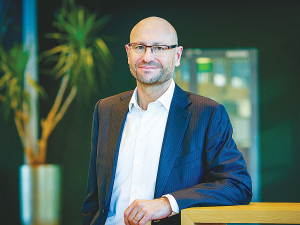
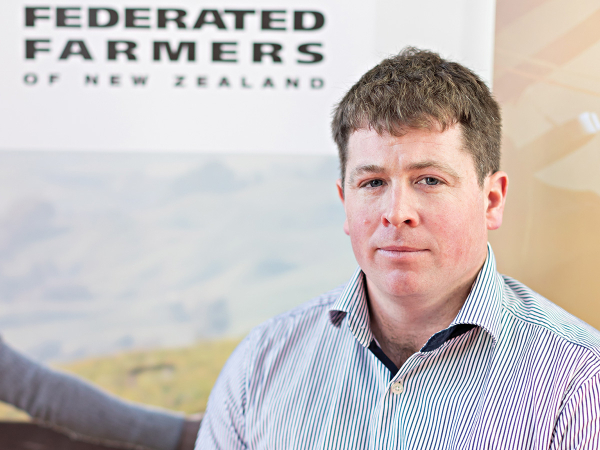 Federated Farmers dairy chair Karl Dean.
Labour supply, and not geopolitical events, remains New Zealand dairy farmers' biggest worry, says Federated Farmers dairy chair Karl Dean.
He says strong grass growth, a high milk price, favourable regulatory environment and stable costs are keeping morale high amont farmers.
The only concern for dairy farmers right now is labour on farm.
"We're keeping a close eye on immigration and labour settings," he told Rural News.
Dean says that like everyone else, farmers are watching the development in the Middle East and hope that they don't lead to a sharp spike in inflation.
"But the morale among farmers is very high right now," he says.
"We have a great milk price, and costs are not as high as they were a few years ago.
"Also, we've got a government that's on our side and we don't have to deal with regulatory issues."
Dean's sentiment is reflected in the latest Federated Farmers Confidence Survey.
Released last week, it shows that strong returns and lower debt-servicing costs mean more farmers than ever are making a profit.
Of the nearly 650 farmers who responded to the survey in late January and early February, 70% said their farm was currently profitable.
"That's the highest level since we started our twice-yearly Farm Confidence Survey back in 2009," Federated Farmers president Wayne Langford says.
A particularly worrying result is the finding that more farmers are having difficulty recruiting skilled and motivated staff.
Langford says it's incredibly frustrating for farmers because, even as nationwide unemployment rises, they struggle to find good staff.
 |
|---|
|
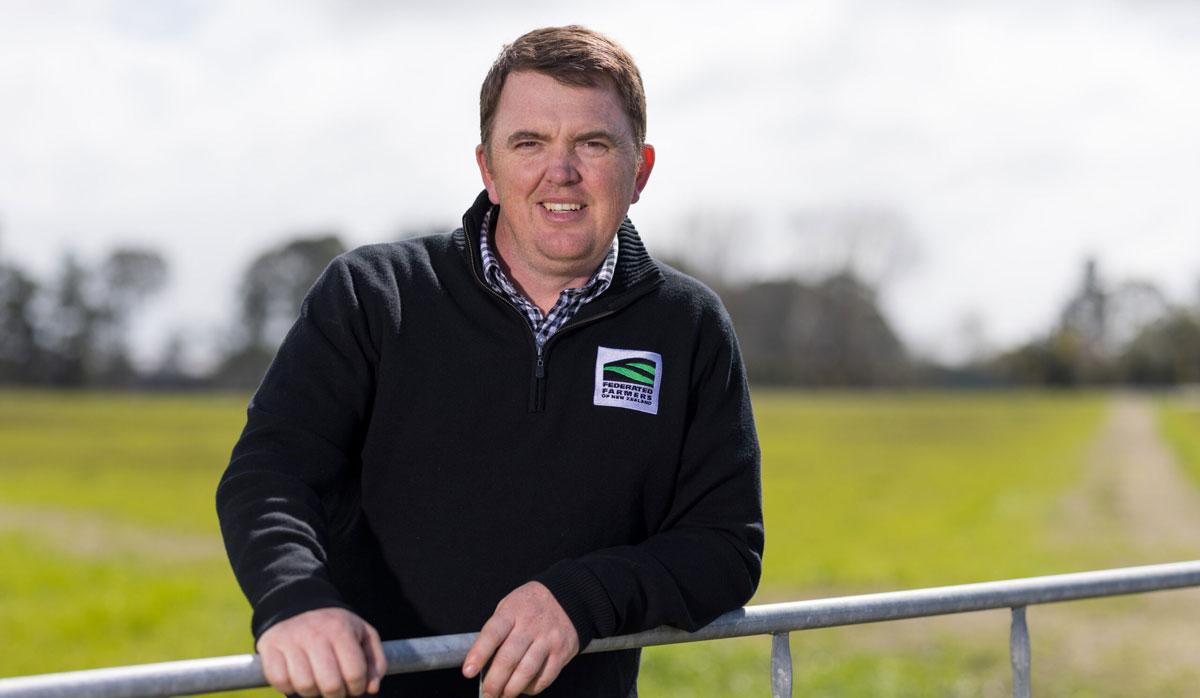
Federated Farmers president Wayne Langford |
"It's a message we keep sending to successive governments," he says.
"The primary industries are the engine room of the economy, but it's hard to attract willing workers to move remote provincial areas."
The recovery from 2023/24 is now firmly established across most sectors, with the number of profitable dairy farms stable at 81%, and meat and wool farms improving substantially.
Arable farm profitability continues to lag at 41%, but that's a small improvement from the July 2025 survey.
Rapid growth in dairy farm worker pay in recent years means more money in the pockets of New Zealanders, says Federated Farmers dairy chair Karl Dean.
According to the latest Federated Farmers-Rabobank Farm Remuneration Report, released today, farm worker pay growth has levelled off after a post-Covid period of rapid growth.
More of the same please, says Federated Farmers dairy chair Karl Dean when asked about who should succeed Miles Hurrell as Fonterra chief executive.
OPINION: The proverbial has really hit the fan in Wellington and exposed a glaring example of a double standard in environmental accountability.
OPINION: This month Wellington’s Moa Point wastewater treatment plant failed catastrophically, sending an estimated 70 million litres of untreated sewage straight into the ocean each day.

Farmer-owned fertiliser company, Ballance Agri Nutrients is welcoming National’s plan to negotiate security agreements with key supplier countries to protect New Zealand-bound products from export restrictions and greater supply chain certainty.

Carrfields has announced the appointment of Stu Hall to the newly created role of chief operating officer, Carrfields Ltd, reflecting the continued growth of their agribusinesses and the need to ensure the company has the leadership capacity and support in place as it pursues the emerging opportunities ahead.
New Zealand's role is not to compete with Indian growers, according to NZ Apples and Pears.
The potato industry is celebrating the success of two rising stars - James Blair, the 2026 Young Grower of the Year and runner-up and innovation award winner, Amber Davy.
Twenty-eight emerging leaders from across the horticulture sector spent two days last month learning valuable skills and connecting with industry experts.
There are five entrants in this year’s Young Horticulturist of the Year, competing in a series of technical, practical, business and leadership challenges.



OPINION: The same mainstream media muppets that brought you Jacindamania in 2017 have been flat out pimping for the Opportunities…
OPINION: Your old mate reckons the atrocious way farmers in the UK are treated by their lords and masters in…




