
Ag sector still a ‘shining light’ as farm pay growth levels off
Rapid growth in dairy farm worker pay in recent years means more money in the pockets of New Zealanders, says Federated Farmers dairy chair Karl Dean.




 increase font size
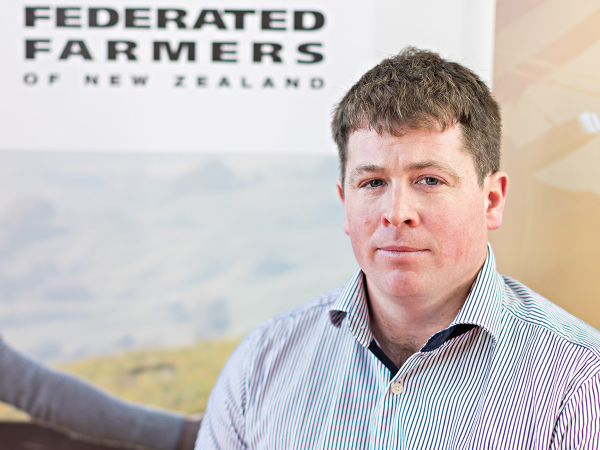 Karl Dean
OPINION: This month Wellington’s Moa Point wastewater treatment plant failed catastrophically, sending an estimated 70 million litres of untreated sewage straight into the ocean each day.
Mayor Andrew Little called it an environmental disaster, and Wellingtonians have been told it could be months before the south coast waters are swimmable again.
This is a major stuff-up, but one question keeps coming back to me: will those responsible be held to the same standards we demand of Kiwi farmers?
As farmers, we’re no strangers to regulation. Our businesses must comply with strict environmental rules, and we know there are consequences for non-compliance.
Breaches can carry hefty fines, legal action, reputational damage – and in some cases, a criminal conviction against a farmer’s name for life.
We take this seriously, as we should, because farmers have a responsibility to protect waterways and communities.
But is what we’re seeing in Wellington a glaring example of a double standard in environmental accountability?
If a dairy farmer had pumped raw effluent into a local waterway, even by accident, there’d be no debate.
Resource consent conditions would have been breached, immediate investigations would follow, and criminal charges would likely be laid.
So, will we see the same scrutiny of large, publicly managed infrastructure?
Will the manager of the wastewater treatment plant be held personally responsible?
Will Wellington’s mayor, councillors or chief executive be held accountable for long-term underinvestment in critical water infrastructure?
Will there be enforcement action against the council or contractors involved?
It’s fair to assume the answer will probably be a resounding no – or at least, not in a timely or visible way.
I commend Nick Leggett for resigning as chair of Wellington Water following the sewage crisis. He’s done the right thing, but real accountability shouldn’t stop with one resignation when the failure runs far deeper.
Andrew Little has called for an independent inquiry, which is promising, but I highly doubt we’ll see any individuals held to account.
Much was made of The Water Services Authority - Taumata Arowai being the three waters regulator, which includes wastewater.
The Three Waters Review raised system-wide concerns about whether the regulatory regime was fit for purpose.
Taumata Arowai was presented as a key part of the fix, yet they’ve been strangely silent throughout this debacle, effectively saying: ‘It’s not our job’.
They say it’s Greater Wellington Regional Council’s (GWRC) role to be the primary regulator when it comes to wastewater overflows or breaches of wastewater consents.
That means it’s GWRC’s job to take enforcement action, but the council is a one-sixth shareholder in Wellington Water, the company responsible for the discharge.
That seems like self-regulation to me and doesn’t inspire a great deal of confidence.
Let me be clear: this isn’t about farmers versus councils. It’s about fairness and consistency.
If we’re going to demand one sector follows strict rules under threat of penalties, those standards must apply to everyone.
Anything less erodes trust in our environmental system.
There are plenty of cases where individual farm employers or managers have been prosecuted for breaches of resource consent or environmental regulations, when the consent is in the name of a company. That same logic should apply here.
If a publicly managed facility can discharge untreated sewage – millions of litres a day, for an extended period – without consequence, what message does that send? That the rules are good for some, but not for all?
It also raises serious questions about advocacy and media coverage.
Activist groups usually quick to criticise farmers for environmental missteps because it suits their political narrative have been notably quiet.
Greenpeace, for example, haven’t said a thing about the millions of litres of untreated human waste flowing into the ocean each day in Wellington.
Yet they somehow found time to vandalise a salmon statue in Rakaia this week while ranting and raving about the evils of the dairy sector.
Why the silence? Because this disaster doesn’t align with their preferred villains.
New Zealanders care about clean water, and so do farmers.
We work hard every day to meet our obligations, often under challenging conditions, knowing the consequences of failure are real and enforceable.
But accountability must be universal; environmental laws and consent conditions can’t be selectively enforced.
If we want the public to trust that environmental protections are fair and effective, we must apply the same standards to all operators – farm or council, private or public.
The Wellington sewage spill is a clear reminder that environmental stewardship is everyone’s responsibility.
Farmers are already doing our part – but we also expect the same of every other sector.
Karl Dean is Federated Farmers dairy chair
Rapid growth in dairy farm worker pay in recent years means more money in the pockets of New Zealanders, says Federated Farmers dairy chair Karl Dean.
According to the latest Federated Farmers-Rabobank Farm Remuneration Report, released today, farm worker pay growth has levelled off after a post-Covid period of rapid growth.
More of the same please, says Federated Farmers dairy chair Karl Dean when asked about who should succeed Miles Hurrell as Fonterra chief executive.
Labour supply, and not geopolitical events, remains New Zealand dairy farmers' biggest worry, says Federated Farmers dairy chair Karl Dean.
OPINION: The proverbial has really hit the fan in Wellington and exposed a glaring example of a double standard in environmental accountability.


Farmer-owned fertiliser company, Ballance Agri Nutrients is welcoming National’s plan to negotiate security agreements with key supplier countries to protect New Zealand-bound products from export restrictions and greater supply chain certainty.
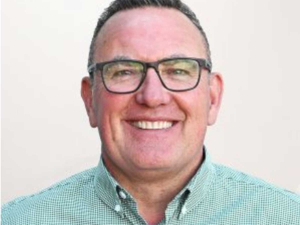
Carrfields has announced the appointment of Stu Hall to the newly created role of chief operating officer, Carrfields Ltd, reflecting the continued growth of their agribusinesses and the need to ensure the company has the leadership capacity and support in place as it pursues the emerging opportunities ahead.
New Zealand's role is not to compete with Indian growers, according to NZ Apples and Pears.
The potato industry is celebrating the success of two rising stars - James Blair, the 2026 Young Grower of the Year and runner-up and innovation award winner, Amber Davy.
Twenty-eight emerging leaders from across the horticulture sector spent two days last month learning valuable skills and connecting with industry experts.
There are five entrants in this year’s Young Horticulturist of the Year, competing in a series of technical, practical, business and leadership challenges.




OPINION: The same mainstream media muppets that brought you Jacindamania in 2017 have been flat out pimping for the Opportunities…
OPINION: Your old mate reckons the atrocious way farmers in the UK are treated by their lords and masters in…




