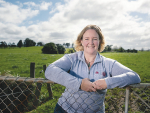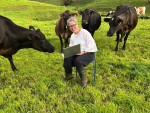
International Day of Rural Women: Two DairyNZ Farmers’ Stories
Today, 15 October, is the International Day of Rural Women, which recognises rural women’s contribution to farming, communities and the environment.
 increase font size
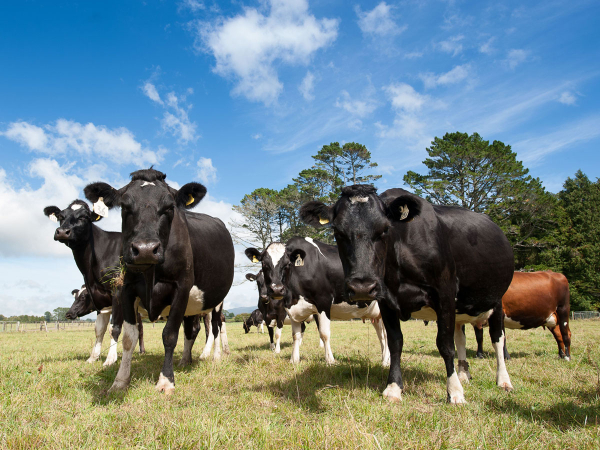 In 2023, 74% of farmers implemented at least five good management practices to support their cows and manage winter conditions.
Results from DairyNZ’s nationwide survey revealed that dairy farmers have continued to focus on wintering well and caring for their animals and land, regardless of the conditions.
DairyNZ lead advisor Justin Kitto says he is pleased to see that the wintering survey showed significant improvements in wintering practice on previous years.
He says that in 2023, 74% of farmers implemented at least five good management practices to support their cows and manage winter conditions.
“Importantly, 96% of farmers also said they had strategies to provide comfortable lying conditions,” Kitto says.
“These findings emphasise what we have seen previously – that farmers use a range of tactics to care for cows over winter,” he says. “These strategies include shifting them to a drier, lower risk paddock, or using crops positioned in drier and more sheltered areas for grazing during bad weather.”
Other strategies used to minimize mud and improve lying conditions include back fencing (temporary fences to protect previously grazed areas), portable troughs, providing extra straw as a dry bedding material and moving the break fence multiple times a day.
The survey also saw a significant increase in the number of farmers with a written wintering plan, increasing to 80% of respondents.
“These are important findings as written plans help to identify environmental risks and encourage thinking around keeping cows comfortable and healthy,” Kitto says.
“It helps ensure that the right decisions are made at critical stages over winter, especially during significant weather events, or during long periods of rain.”
Kitto says farmers with written wintering plans also implemented more good practices to look after cows and the environment compared to those without a written plan.
Farmers have also focused on ensuring calves are born in the best conditions, moving cows off-crop around two weeks before calving date.
“Many farmers put cows in mobs based on calving dates to help them better monitor and manage herds,” Kitto says. “Daily checks then provide the opportunity to identify any issues and those getting ready to calve, so farmers can give them the best outcomes.”
“Winter weather can be cold and unpredictable, so dairy farmers know they need to care for stock right through to the end of winter.”
Additionally, the results showed that 98% of farmers had stock excluded from waterways, while 94% had a buffer around their waterways to filter contaminants before they reach a waterway.
“Farmers should be proud of the work they are doing to improve their winter management for the best outcomes for their animals and the environment. The work is being recognised, with regional councils and MPI complimenting farmers on their dedication and progress,” Kitto concludes.
Today, 15 October, is the International Day of Rural Women, which recognises rural women’s contribution to farming, communities and the environment.
The first major update to the Dairy Cattle Code of Welfare in more than a decade has been released, marking what DairyNZ describes as an important step in ensuring animal welfare standards continue to evolve alongside scientific evidence and on-farm realities.
Have a plan in place for your cows and staff.
DairyNZ deputy chair Cameron Henderson has been re-appointed unopposed for another term.
OPINION: The stats speak for themselves.



Federated Farmers has welcomed new rural policies released by ACT, saying they align closely with its own election priorities.

Rural Contractors NZ says proposed changes to land transport rules for agricultural vehicles are a welcome response by the Government to out of date regulations which have seen members hit with huge fines.
Alliance is calling for final applications for its 2027 Graduate Programme, with applications closing on Sunday 25 October.
Decades piloting planes has ensured vet and farmer David Hayes is focused on safety. So, after a serious accident while welding on farm, he is sharing his experience so others can learn from it.
Canterbury milk processor, Synlait Milk has confirmed Leon Fung as its chief executive officer.
OPINION: Making it easier to collect rainwater and use it to grow crops and livestock is a no brainer.