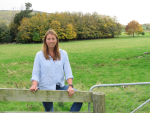
Why Now Is the Time to Plan Farm Succession, Findex Says
OPINION: Succession and long-term planning are perennial topics because it is perpetually sidelined on busy farms.
 increase font size

Succession is often a difficult journey for farming families; the idea of ‘sharing the helm’ or seeing a change in captain can be challenging for many farmers, says an agricultural lender.
Rabobank’s latest report, ‘Farm Succession Planning: Navigating the seas of change’, highlights the importance of starting the process early to adequately map out a strategy and manage the expectations of all parties involved.
Commodity analyst and report co-author Emma Higgins says that honest conversations regarding profitability, expectations and visions for both the family and business pose as challenges when it comes to approaching succession.
“For existing farmers, the idea of initiating these discussions and handing over the helm can sometimes be overwhelming and complex – many are leaving it too late which can cause more significant issues to arise later on,” says Higgins.
“Simply delaying succession conversations and ‘hoping for the best’ is an incredibly risky strategy for the business and family unit. Delay in itself becomes a problem in that the more time passes, the more succession options become restricted, further exacerbating stresses and difficulties in the family.”
The Rabobank report suggests that building and maintaining a viable business and understanding the financial reality of the family farm is critical.
The company’s succession manager Tony Hammington says that seasonality ups and downs need to be considered, with both short-term and long-term needs assessed.
“A robust balance sheet and adequate cash flow are required to ensure career, work opportunities and retirement goals can coexist and meet the needs of all financially reliant on the business, before any new family members are offered the opportunity to work in the business,” he says.
“Conversations around profitability can be off-putting and further complicated by the strong emotional ties that accompany the sometimes judgmental opinions that a generation’s efforts are subjected to.”
Hammington suggests implementing planned business strategies that open up pathways for the next generation – such as share farming, leasing arrangements, family loans or equity partnerships.
“Having ‘skin in the game’ demonstrates commitment and generates additional motivation for new farmers, along with creating new options to expand the business,” he says.
“In addition, a win-win situation can arise for both parties – creating a role for the next generation in the family business can bring about a sense of achievement. A sense of value for the current generation is retained, and it provides the legacy of the family farm to the next generation.”
OPINION: Succession and long-term planning are perennial topics because it is perpetually sidelined on busy farms.

OPINION: One of the privileges of judging the Ballance Farm Environment Awards for more than a decade is the opportunity to spend time on farms and orchards across New Zealand and hear from people constantly looking for ways to improve their businesses.
Chinese beef trade quotas and a looming suspension of Brazilian beef imports into the European Union are expected to reshape global beef trade flows over the remainder of 2026, with implications for New Zealand exporters, according to Rabobank's Q3 Global Beef Quarterly report.
New Zealand consumers are paying more for beef mince than ever before, with the average retail price now sitting above $24 per kilogram, according to Rabobank.
West Otago dairy farmer Luke Kane has been awarded the 2026 Rabobank Dr John Morris Business Development Prize.


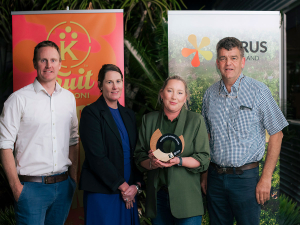
New Zealand's citrus growers were challenged to build their future on the value embedded in their fruit rather than the volume they produce, at Citrus New Zealand's annual gathering in Gisborne on 17 September.
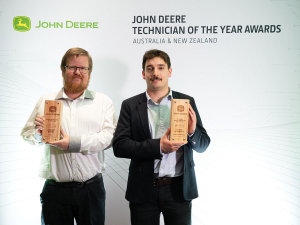
Leading John Deere technicians and apprentices from New Zealand and Australians were recognised at the recent sixth annual JD Technician of the Year Awards, held in Brisbane.
In Dacre, near Invercargill in New Zealand’s South Island, Bruce Dinnington is running a dairy operation unlike any other.
A free online platform aggregating governance vacancies across rural and regional New Zealand has been launched.
Environment Minister Nicola Grigg has announced details of a new rural plastics recycling scheme.
Agricultural drone operators say that a government decision to allow lower-risk drone work without certification won’t lower standards but drive innovation and efficiency.