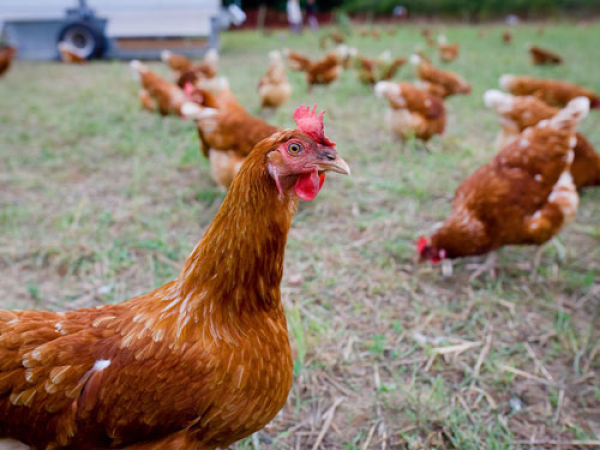
Biosecurity New Zealand has reported no signs of disease on other chicken farms operated by Mainland Poultry in Otago, however testing and monitoring work continues.
Approximately 1,000 samples have been received for testing at the Ministry for Primary Industries (MPI) laboratory in Wallaceville, Wellington, and the lab is prioritising analysis based on assessed risk.
Biosecurity New Zealand deputy director-general Stuart Anderson says the first batch of results and ongoing monitoring at Mainland Poultry’s properties with links to the Hillgrove site where infection was first reported show no signs of new disease at this stage.
Anderson says this is promising.
“However, we are continuing rigorous testing as the disease has an incubation period,” he says.
“There have been no signs of production loss or ill birds at Mainland Poultry’s five other properties to date, and we will keep monitoring closely.”
Anderson says samples from a smaller free-range chicken farm near Dunedin are being closely analysed, with test results expected soon.
“We acted swiftly on Tuesday, issuing a precautionary restricted place notice for the property after some of its estimated 6,000 birds died,” he says. “Those restrictions stopped the movement of material on and off the farm.”
He says that testing is standard procedure in biosecurity responses where illness is identified.
“We acknowledge this is an extremely difficult time for the affected farmers, through no fault of their own, and we are working to support them.”
Work continues today to cull chickens from the two infected sheds on the Hillgrove property.
“We are working at a steady pace and the depopulation is progressing well. Two trucks transporting carcasses, eggs and litter from the affected sheds, left the property yesterday afternoon,” Anderson says.
Rigorous testing will continue over the coming days and weeks and Anderson says Biosecurity New Zealand will take action as required.
The incubation period for avian influenza is typically three to 14 days, with a possibility of up to 21 days, so testing will continue over the next two to three weeks, he says.
Biosecurity New Zealand has increased its presence on the ground in Otago and a regional control centre has been set up to manage the situation.