Combined voice
The two associations representing NZ's crop protection and animal health industries will merge this month.
 increase font size
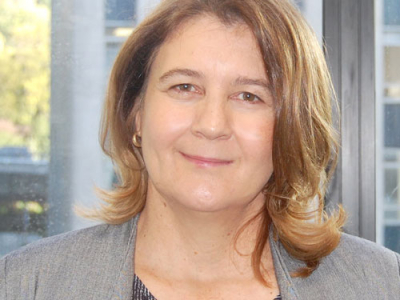 Pauline Calvert.
New Zealand's animal health industry is moving ahead quickly, but risks being left behind because it can’t embrace new scientific discoveries says Agcarm president Pauline Calvert.
Calvert told Rural News there is a risk NZ will be left behind the rest of the world by not having the opportunities to have fewer heavy chemicals going into our crops and animals.
She believes we could use things that could be seen as lighter and less of a threat to our environment if our regulatory authorities would allow new science to come to NZ or at least discuss this.
Calvert says part of the problem is that NZ doesn’t have the ability or the regulatory systems to evaluate some of these new products.
Even our classification of GMOs is in many ways behind other countries’, she claims.
“Their definitions are actually quite different from ours. I am not advocating that we bring everything in without any risk assessment. But I am asking that we bring the science to the table and let people understand what that science brings,” she says.
Calvert says Mycoplasma bovis is a classic example. “What happens if the answer to that is a GMO vaccine?” she asks.
“I don’t know if it is or isn’t. But if it is, are we prepared to bring it into our country? Because at the moment, the education on new science is often poorly understood and people see it as a threatening rather than positive,” she says.
Calvert reckons while NZ is good at evaluating science, it is sometimes slow to move with new science or is driven by a poor understanding of it out of fear of the unknown.
“I think sometimes the people who make the decisions are scared of what the outcomes [would be] if they put their hands up and said, ‘this is [or isn’t] a good thing’. A lot seems to be based on perception,” she says.
Calvert believes there is a suspicion of science and people need to understand the opportunities and benefits science can bring.
“I have no doubt there are products NZ could benefit from that aren’t currently in our system, she told Rural News.
The two associations representing NZ's crop protection and animal health industries will merge this month.

OPINION: Ineffective regulation is leading to farmers and growers missing out on products that will increase their productivity and be safer to use.
The industry association for animal health and crop protection companies has appointed a new president.
Animal medicines and crop protection lobby group, Agcarm wants the Government to extend its COVID-19 support to the farming community for maintaining essential food supplies.
OPINION: From weeding and spraying crops to taking care of cattle, digital technology is making its mark on agriculture.


Farmer-owned fertiliser company, Ballance Agri Nutrients is welcoming National’s plan to negotiate security agreements with key supplier countries to protect New Zealand-bound products from export restrictions and greater supply chain certainty.

Carrfields has announced the appointment of Stu Hall to the newly created role of chief operating officer, Carrfields Ltd, reflecting the continued growth of their agribusinesses and the need to ensure the company has the leadership capacity and support in place as it pursues the emerging opportunities ahead.
New Zealand's role is not to compete with Indian growers, according to NZ Apples and Pears.
The potato industry is celebrating the success of two rising stars - James Blair, the 2026 Young Grower of the Year and runner-up and innovation award winner, Amber Davy.
Twenty-eight emerging leaders from across the horticulture sector spent two days last month learning valuable skills and connecting with industry experts.
There are five entrants in this year’s Young Horticulturist of the Year, competing in a series of technical, practical, business and leadership challenges.