Rural Mobile Coverage Worse After 3G Shutdown, Survey Finds
Mobile phone coverage and reliability are deteriorating in rural areas, and farming families are bearing the cost, according to a Federated Farmers survey.
 increase font size
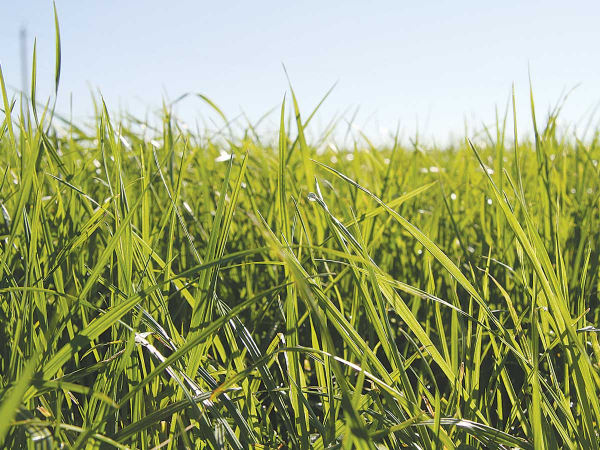 Levies are collected from the following Commons: Nui, Moata, Manawa, Tama, Ruanui, Huia and Pawera, as well as uncertified ryegrass, red and white clover.
The Non-Proprietary and Uncertified Herbage Seeds Levy order will continue for another six years.
Growers overwhelmingly supported the levy.
"In fact, from 82% in favour at the last levy vote in 2014, support shown during the vote last November had risen to 91%," says Federated Farmers Herbage Seedgrowers Subsection chairperson, Hugh Wigley.
Agriculture Minister Damien O’Connor and the rest of Cabinet have approved continuation of the levy, and it will be gazetted this week.
"Grasses and clovers are vital to our sector but contracts for growing from proprietary seed are not always available and are more expensive. This levy safeguards supply of non-proprietary and uncertified seeds and provides different options to our farmers," says Wigley.
The Commodity Levies (Non-proprietary and Uncertified Seeds) Order, known as the Commons, was first mandated in 1997 when the responsibility for maintaining these cultivars was transferred to industry from Government.
Levies are collected from the following Commons: Nui, Moata, Manawa, Tama, Ruanui, Huia and Pawera, as well as uncertified ryegrass, red and white clover.
For the Commons to continue to be publicly available, live nucleus and pre-nucleus seed of each of the Commons must be maintained to make breeders and basic seed available to growers.
It costs an estimated $180,000 for Grasslanz Technology to ensure this base material is available to growers.
About 15 to 20% of this material comes from the commercial sale of breeders and basic seed, while the remainder comes from the levy.
The levy is collected on behalf of Federated Farmers by all seed testing stations on the first purity and germination test. It is set at a fixed per kg cost on the projected harvest of each of the Commons and the estimated kg price received by the grower. The maximum levy rate is 5%, although it is typically around 1.5 to 2%.
Mobile phone coverage and reliability are deteriorating in rural areas, and farming families are bearing the cost, according to a Federated Farmers survey.

Flat pricing in the face of significant increases in costs is the greatest problem facing the arable sector, says Foundation for Arable Research (FAR) chief executive Dr Scott Champion.
Central Otago District Council (CODC) has voted against a plan to spread treated sewage sludge from Cromwell and Alexandra on farmland near Lauder, a decision Federated Farmers says reflects strong opposition from rural residents.
Federated Farmers has called on Central Otago District Council (CODC) to drop or vote down a plan to truck sludge from Alexandra and Cromwell to farmland near Lauder, warning it would compound an "outrageous" situation created by a separate council's decision weeks earlier.
Federated Farmers says new legislation replacing the Resource Management Act will cut red tape, unlock investment and help grow New Zealand's export-led economy, after the Planning Bill and Natural Environment Bill passed their third reading in Parliament yesterday.


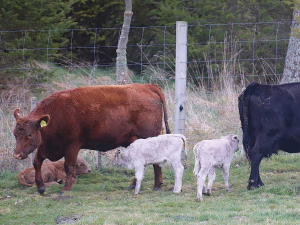
A major move is about to get underway to improve the quality and viability of dairy beef and cattle in NZ.
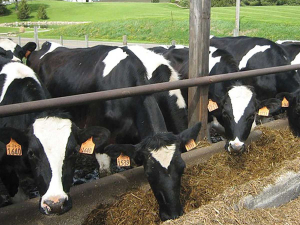
Veterinarians say changes to the code of welfare for dairy cattle provides a positive foundation for improved cattle welfare across the country.
Today, 15 October, is the International Day of Rural Women, which recognises rural women’s contribution to farming, communities and the environment.
Global dairy giant Lactalis has integrated its Australian operations with the Mainland Dairy consumer business it acquired from Fonterra earlier this year.
After almost two decades of sharemilking, saving and building equity, Aaron and Marcia Flay this year realised their long-held dream of settling on their first dairy farm.
Good medium to long term prospects for NZ beef, especially in the US, has heighted the focus on various initiatives to capitalise on this situation.