Pāmu Braces for $30m Hit From Rising Farm Costs
State farmer Pāmu is bracing for a $30 million hit from soaring farm input costs this financial year.
 increase font size
 Chief executive Steven Carden.
State-owned farming company Landcorp Farming Limited (known as Pāmu) has declared a net profit of $29 million.
This compares to $21 million for the corresponding period last year; six months ended 31 December 2017.
Chief executive Steven Carden said that the increased half-year profit was a pleasing result, reflecting good weather conditions and good trade terms for the company’s main products.
“On an EBITDAR (earnings before interest, tax, depreciation, amortisation and revaluations) basis, which we use as a key measure of performance, the half year represented a loss of $3 million compared to a loss of $6 million in the prior period. The loss is largely due to the seasonality of Pāmu’s operations since the bulk of livestock revenue is earned in the second half of the year.”
Carden said the $3 million improvement in EBITDAR reflects an increase in revenue of $5 million offset by increased expenses of $3 million and a lower loss from equity accounted investments of $1 million.
The uplift in revenue was principally due to an increase in milk revenue of $4 million and small increases in livestock and forestry.
Total operating expenses were up by $3 million overall, which included costs relating to the massive Rural Connect broadband rollout across all farms, along with the impact of increased fuel costs and rent on the Wairakei Pastoral lease in the half year.
“I am particularly pleased that we have managed to keep costs associated with on-farm work and maintenance flat despite price rises in fertiliser, and increased harvesting costs as farms took advantage of good pasture growing conditions,” says Carden.
“We also had higher calf rearing, animal health, and breeding costs in response to the threat posed by Mycoplasma Bovis. This is a tribute to our on-farm teams, who work hard to farm in a cost-effective manner.”
Carden said other items of note were a fair value gain on biological assets of $51 million mainly due to firm lamb prices, which was partially offset by an increased tax expense of $7 million following a review of the tax treatment of Pāmu’s long-lived buildings.
For the 2018-19 financial year, Pamu expects to report EBITDAR of between $37 million and $42 million. However commodity prices and weather conditions can fluctuate and this will impact the final result, as would any unexpected currency fluctuations,” Carden adds.
State farmer Pāmu is bracing for a $30 million hit from soaring farm input costs this financial year.

Pāmu has released its FY26 Integrated Annual Report, reporting a Net Operating Profit of $113 million, more than double the $49 million recorded in FY25.
A partnership between state-owned enterprise Pāmu (Landcorp Farming Limited) and charity Meet the Need is putting more than quality New Zealand beef into food bank parcels this year.
State farmer Pamu has delivered its strongest operating result on record.
Beef+Lamb New Zealand and the Ag Emissions Centre have launched a new research project aimed at helping beef farmers reduce methane emissions without impacting productivity or profitability.


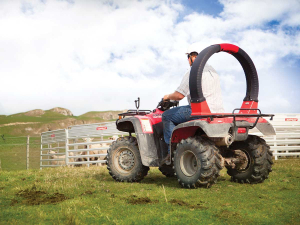
When Northland leather worker Vernon Suckling started making horse saddles 50 years ago, quad bikes and side-by-side vehicles were unheard of.
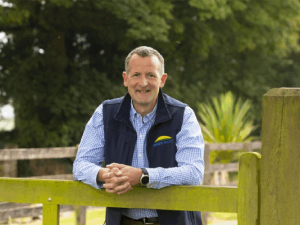
Alliance Group has confirmed that eligible farmer-shareholders who supply and continue to back the business will receive up to $20 million later this year, following the strategic investment partnership with Dawn Meats.
With a general election under five weeks away, Rural News is asking major political parties about their policies and positions on key issues facing the primary sector. We will run their responses to each question over the next four weeks. The ACT Party and the Greens didn't respond in time.
The red meat sector is in great heart.
Dr Scott Champion, Foundation for Arable Research chief executive, says that everyone in the supply chain had a role to play in driving the sector's long-term success.
Entries opened on Monday, 5 October 2026 for the 2027 New Zealand Dairy Industry Awards (NZDIA), which organisers describe as the nation's biggest celebration of excellence in the dairy sector.