Beef + Lamb NZ's Lambing Kit Checklist for a Tough Season
With lambing underway in many regions, Beef + Lamb New Zealand is encouraging farmers to put together a wellequipped lambing kit to help minimise lamb losses, particularly in bad weather.
 increase font size
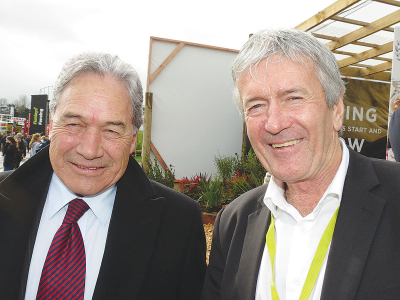 Neither Winston Peters or Damien O’Connor have replied to the letter.
What happened to the New Zealand First policy of favouring wool in Government procurement contracts?
Two Waimarino district sheep and beef farmers, Donna Journeaux and Cathy Rogers, are asking the question but are not getting any answers
Their letter to Deputy Prime Minister Winston Peters has been circulating on social media sites. But they’ve had the run-around getting any answers from Peters or any Government ministers.
“We are writing to you concerning your pre-election statements about putting woollen insulation and carpet in state houses and Parliament offices,” they wrote to Peters.
“We believe that if the Government is sincere in their quest to save the planet they would be supporting our sheep industry and using environmentally friendly woollen products as opposed to synthetic products.
“Not only is wool a superior, sustainable, environmentally friendly product, it also has the benefits of absorbing toxins, doesn’t give off static and is flame retardant, durable and hard wearing, unlike the commonly used synthetic carpets which are toxic and an environmental hazard to dispose of due to their chemical content.”
The letter points out that synthetic carpets are widely used because they are cheaper than woollen carpets, but that cheap plastic/synthetic products, in whatever form, are hugely damaging to the environment.
“We believe the Government should set an example to our nation and the rest of the world by supporting our sheep industry and use only woollen insulation and carpets in all future renovations and new builds, Parliament offices and commercial building.”
Journeaux and Rogers add that the Government is pressuring farmers to comply with a raft of environmental compliance issues, mostly with unrealistic deadlines.
“So we feel it is only right and consistent that you play your part by supporting the sheep industry and using our quality, home grown, environmentally, sustainable woollen products and set an example to the rest of the world [in being] genuine about your concerns for the environment.”
Journeaux and Rogers also wrote in a similar vein to other Government ministers. They have received only an automated reply from Peter’s office, an acknowledgement of receipt from Agriculture Minister Damien O’Connor’s office, and the office of Climate Change Minister James Shaw said it was passing the letter to the office of Economic Development Minister Phil Twyford.
Meanwhile, Peter’s office declined to comment to Rural News but said a reply will be sent to Journeaux and Rogers “in due course”.
With lambing underway in many regions, Beef + Lamb New Zealand is encouraging farmers to put together a wellequipped lambing kit to help minimise lamb losses, particularly in bad weather.

New Zealand wool is reaching new heights as air filtration companies move away from synthetic products to biodegradable alternatives.
Will a stronger, more coordinated voice help rebuild confidence and improve returns in the wool sector?
OPINION: Confidence in the wool sector is rebounding as prices hit levels not seen in more than 15 years.
The recently signed free trade agreement with India is an invitation to strengthen relationships between the New Zealand and Indian strong wool industries, says Wool Impact chief executive Andy Caughey.


Now in its fourth year, the 2026 Fencing Industry Awards, formed part of the proceedings of the FCANZ Conference, held in Nelson during August.
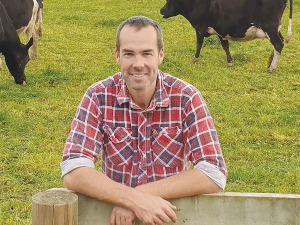
DairyNZ deputy chair Cameron Henderson has been re-appointed unopposed for another term.
OPINION: The stats speak for themselves.
Farms across the upper North Island are trialling different pasture mixes as part of a research programme that aims to build greater resilience into farming systems.
Election years are always a concerning time for farmers, according to DairyNZ chair Tracy Brown.
The Ballance Farm Environment Awards are coming to the West Coast of the South Island.