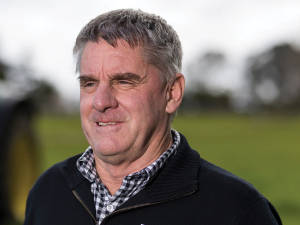
James Blair Named 2026 Young Grower of the Year
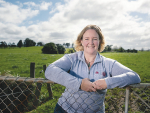
The potato industry is celebrating the success of two rising stars - James Blair, the 2026 Young Grower of the Year and runner-up and innovation award winner, Amber Davy.
 increase font size
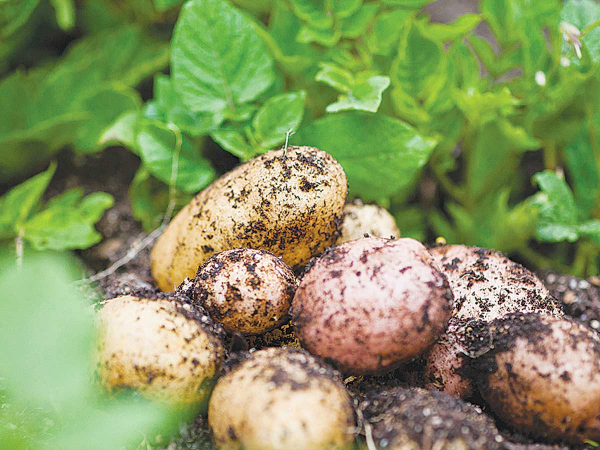 NZ potato growers aren't giving up their fight against cheaper frozen fries imports from the European Union.
Potato growers aren't giving up their fight against cheaper frozen french fries imports from the European Union.
This is despite a Ministry of Business, Innovation and Employment (MBIE) interim report acknowledging the dumping of EU frozen fries in New Zealand, but claiming it's not threatening the local potato industry.
Potatoes New Zealand (PNZ) chief executive Chris Claridge told Rural News that a further submission would be made to MBIE in response to their interim report.
Claridge says PNZ want to ensure that imminent and future material threat is accounted for in the MBIE investigation.
"PNZ contest that the interim findings are not robust enough in terms of imminent and future material threat," he says.
MBIE launched an investigation in August last year after PNZ filed an anti-dumping claim, alleging that dumped frozen potato fries and wedges from Belgium and the Netherlands caused "a threat of material injury" to the domestic industry.
NZ potato growers charged that circumstances arising from the Covid-19 pandemic resulted in reduced demand for frozen potato products globally, with increased inventories in Belgium and the Netherlands.
They claim that available inventories and support being received through government intervention in Belgium and the Netherlands will lead to more Belgium and the Netherlands products arriving into NZ at "dumped prices".</p.
As part of its investigation, MBIE contacted potato processing companies in Belgium and the Netherlands and asked them to fill our a survey.
That information, alongside Customs data, found there was a spike in imports from the two countries in June and July last year - and Dutch company, Lamb Weston, was in fact dumping product here. The MBIE report said dumping was likely to continue but concluded there was not a threat of material injury to the domestic industry as a result.
Accordingly, it was likely that advice to the minister responsible would be to terminate the investigation.
But Claridge says potato growers maintain and the evidence supports that there is dumping.
"PNZ industry and grower members are keen to keep fighting this and are concerned that it's not just the current situation, but how it's going to look in the next few years," says Claridge.
The MBIE report says evidence does not support this claim.
"The evidence does not support the claim by the New Zealand industry that government intervention in Belgium and the Netherlands has assisted potato growers so that producers of frozen potato products can take advantage of lower raw material costs, which means they can reduce prices for exports to New Zealand."
MBIE says based on this there are no grounds to determine that dumping of frozen fries is threatening to cause material injury to the New Zealand industry.
The potato industry is celebrating the success of two rising stars - James Blair, the 2026 Young Grower of the Year and runner-up and innovation award winner, Amber Davy.

Potatoes New Zealand has congratulated Peter Reynolds of TA Reynolds Ltd in Pukekohe on being awarded the Horticulture New Zealand Bledisloe Cup, recognising a lifetime of service and contribution to New Zealand horticulture.
New nationwide research has revealed exactly how Kiwis like to enjoy hot chips, with a simple sprinkle of salt coming out on top.
Potatoes New Zealand says it congratulates Amber Davy of Eurogrow on her recent win at the 2026 Canterbury Young Grower of the Year competition.
The Sustainable Vegetable Systems (SVS) Project has been named a finalist in the Technology & Innovation Project Award at the Primary Industries New Zealand (PINZ) Awards.


Federated Farmers has welcomed new rural policies released by ACT, saying they align closely with its own election priorities.

Rural Contractors NZ says proposed changes to land transport rules for agricultural vehicles are a welcome response by the Government to out of date regulations which have seen members hit with huge fines.
Alliance is calling for final applications for its 2027 Graduate Programme, with applications closing on Sunday 25 October.
Decades piloting planes has ensured vet and farmer David Hayes is focused on safety. So, after a serious accident while welding on farm, he is sharing his experience so others can learn from it.
Canterbury milk processor, Synlait Milk has confirmed Leon Fung as its chief executive officer.
OPINION: Making it easier to collect rainwater and use it to grow crops and livestock is a no brainer.