Final call for Alliance’s 2027 Graduate Programme
Alliance is calling for final applications for its 2027 Graduate Programme, with applications closing on Sunday 25 October.
 increase font size
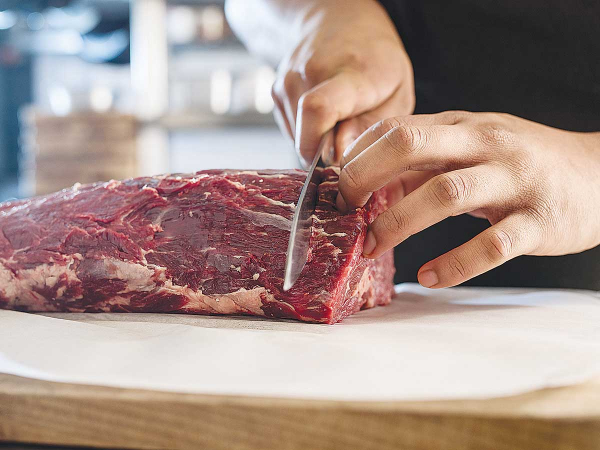 A new study claims red meat could be better for you than the plant-based alternative.
Results from a recent study have shown red meat is a better source of protein than a processed plant-based alternative.
The human clinical trial was undertaken for the Pasture Raised Advantage research programme.
The four-stage multidisciplinary project is exploring the health and wellbeing benefits of eating pasture-raised beef and lamb as part of a balanced diet, compared to grain-finished beef or a plant-based alternative.
The research is a collaboration between researchers at AgResearch, the University of Auckland, Massey University and the Riddet Institute.
In this first of two clinical trials, thirty participants aged 20-34 years-old were fed breakfast on four different days and their blood, digestive symptoms and mood were monitored for four hours immediately following the meal.
Breakfast was a burrito that contained a single serving of a different protein each day; pasture-raised beef, grain-finished bee, lamb and a plant-based alternative – served in random order to each participant across the four days.
Dr Andrea Braakhuis from the University of Auckland heads up the team of nutrition scientists responsible for the study.
“We measured the nutrients in the blood of the participants and saw a significant difference in the type and amounts of amino acids that come from the digestion of the protein of red meat compared to the protein of the processed meat alternative,” says Braakhuis.
“Amino acids from red meat were of greater biological value and better absorbed by the body.”
Braakhuis says these clinical outcomes reflect the results of laboratory experiments carried out on the same foods by Massey University (led by Dr Lovedeep Kaur). Red meat was better digested in the laboratory simulator conditions than the plant-based alternative.
“Our project is showing that red meat is probably a better source of protein for the body than highly processed plant-based products promoted as meat alternatives.”
AgResearch senior scientist Dr Scott Knowles says the newer plant-based meat analogues are formulated to mimic the taste and basic nutrient composition of meat.
However, he says very little is known about the nutritional quality and health benefits of these ‘meats’.
“Plant-based alternatives are produced very differently from pasture-raised livestock and they’re marketed as having advantages in environmental footprint and sustainability,” he says.
“Those credentials are still being scrutinised. However, we know for certain that New Zealand farmers are producing a highly nutritious food in one of the most efficient production systems in the world.”
A second clinical trial, which is nearing completion, is looking at the longer-term impacts of eating a diet that includes moderate amounts of red meat.
Over 10 weeks, 80 participants are following either a flexitarian diet containing pasture-raised beef and lamb or a vegetarian diet that includes various plant-based alternatives.
“This is the first clinical trial of its kind to compare the effects of flexitarian and vegetarian lifestyles on a range of outcomes of people’s health and wellbeing,” says Braakhuis.
“We’re hoping it will fill some gaps in our understanding about the nutritional value of pasture-raised red meat in a balanced diet.”
In addition to chemical and blood measurements, researchers are using a dietary app to collect food diaries and are monitoring the impact of the diets on physical responses in the body, such as weight, sleep and exercise. They are also monitoring psychological and well-being factors such as mood and satisfaction to understand the full impact of the diet on individuals’ health.
Much of the global research on the environmental aspects of producing and eating red meat has been based on intensive grain-finished farming systems and often the nutritional and health studies have used meat that is processed or consumed in excess of recommended dietary guidelines.
In contrast, the Pasture-Raised Advantage research programme is looking at modest amount of fresh red meat included as part of a balanced diet, particularly red meat raised in New Zealand where the animals are free-range, predominantly pasture-based and have zero treatment with antibiotics and hormones.
The research is funded by the industry partners Meat Industry Association of New Zealand Innovation Ltd, Beef + Lamb New Zealand Ltd, the High-Value Nutrition National Science Challenge, and the Ministry of Business, Innovation and Employment.
Alliance is calling for final applications for its 2027 Graduate Programme, with applications closing on Sunday 25 October.

Vetekina Pau'u is the first Tongan to win the William Gearish Memorial prize and sadly she will also be the last recipient.
OPINION: There could hardly be a more appropriate theme for a conference than the one chosen by the red meat sector - Navigating Volatility.
New Zealand's red meat and fifth-quarter exports reached $867 million in August, up 23% on the same month last year, as stronger returns lifted earnings across all major markets.
Meat Industry Association data, released alongside the Red Meat Sector conference in Wellington, shows export value climbing across the US, China, UK and Canada.



Alliance is calling for final applications for its 2027 Graduate Programme, with applications closing on Sunday 25 October.
Decades piloting planes has ensured vet and farmer David Hayes is focused on safety. So, after a serious accident while welding on farm, he is sharing his experience so others can learn from it.
Canterbury milk processor, Synlait Milk has confirmed Leon Fung as its chief executive officer.
OPINION: Making it easier to collect rainwater and use it to grow crops and livestock is a no brainer.
As part of its Election 2026 coverage, Rural News asked political parties how they would help pull the arable sector out of the doldrums. Here's what they said:
Farmers are being encouraged to rethink how they manage waste on farm with the launch of ruralwastesorted.co.nz, a new website bringing together practical tips, real farmer experiences and resources.