Beef + Lamb NZ's Lambing Kit Checklist for a Tough Season
With lambing underway in many regions, Beef + Lamb New Zealand is encouraging farmers to put together a wellequipped lambing kit to help minimise lamb losses, particularly in bad weather.
 increase font size
More than half of sheep and beef farmers have made changes to reduce the risk of their stock becoming infected by Mycoplasma bovis (M. bovis).
According to Beef + Lamb New Zealand (B+LNZ) research, 57% of farmers recently surveyed reported they had taken precautions against the disease while 71% of farmers feel that they have a high level of knowledge on how to protect their stock from M. bovis.
Around a third of farmers surveyed (34%) said they had implemented a buffer zone between them and their neighbours’ stock, as well as communicating with their neighbours about stock on the boundary.
Other changes identified by farmers included an increased focus on yard hygiene (19%) and not buying any calves or cattle this year because of concerns about the infection (17%).
Of the remaining farmers who had made few or no changes because of M. bovis, these were predominantly farmers who ran closed or isolated systems, such as breeders, or were sheep farmers who had no cattle.
The survey also identified areas where more support can be provided to farmers. For example, 41% of farmers indicated that they have or are working on a biosecurity plan for their farm, while farmers were also requesting more up-to-date tracking information on the spread of the disease.
Of those farmers who didn’t have or were working on a biosecurity plan, a significant number were looking to implement a plan but weren’t sure where to start.
“The impact of Mycoplasma bovis has been especially tough on farmers whose herds have been infected, so it’s good to see that information about protecting stock from Mycoplasma bovis is being taken onboard by farmers,” says B+LNZ’s general manager policy & advocacy Dave Harrison.
“The survey highlights that where farmers have identified a risk to their stock they are taking actions to reduce the risk of them being exposed to the disease. At the same time, the incursion of Mycoplasma bovis reinforces the need for every farm to have an active biosecurity plan in place.”
While the survey showed that farmers are generally comfortable with the level of support they’re receiving, B+LNZ will be providing more resources to help farmers both apply for compensation as well as speed up the processing of claims. B+LNZ will also be rolling out biosecurity workshop events to help farmers start and improve their on-farm biosecurity plans.
With lambing underway in many regions, Beef + Lamb New Zealand is encouraging farmers to put together a wellequipped lambing kit to help minimise lamb losses, particularly in bad weather.

Chinese beef trade quotas and a looming suspension of Brazilian beef imports into the European Union are expected to reshape global beef trade flows over the remainder of 2026, with implications for New Zealand exporters, according to Rabobank's Q3 Global Beef Quarterly report.
Will a stronger, more coordinated voice help rebuild confidence and improve returns in the wool sector?
Bovine Viral Diarrhoea (BVD) is sometimes viewed as a dairy industry issue, but the reality is that the disease can have serious consequences for beef breeding herds as well.
Running a tight and self-contained ship is the key to the success of the country's largest dairy farmer, says Blair Robinson, the new man at the helm of Dairy Holdings.
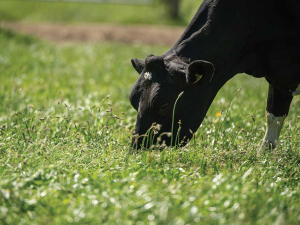
Farms across the upper North Island are trialling different pasture mixes as part of a research programme that aims to build greater resilience into farming systems.
Election years are always a concerning time for farmers, according to DairyNZ chair Tracy Brown.
The Ballance Farm Environment Awards are coming to the West Coast of the South Island.
Most dairy regions around the country have had a pretty good season so far says Tracy Brown.
Rural leader Mark Hooper has been appointed as an independent director to the NZPork board, bringing extensive farming, governance and advocacy experience to the role.