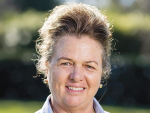
DairyNZ Sets Out Election Priorities for Dairy Farmers
Election years are always a concerning time for farmers, according to DairyNZ chair Tracy Brown.
 increase font size
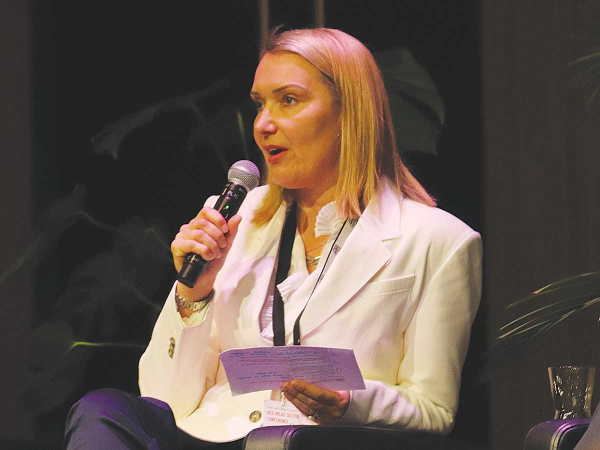 International trade law expert Sarah Salmond.
Talk the language of business when communicating the benefits of Free Trade Agreements (FTAs) - that's the message to the Government and its officials from public and international trade law expert Sarah Salmond.
Salmond is a partner in the law company MinterEllisonRuddWatts and her role is to unravel the benefits of trade agreements as well and help companies understand and comply with specific rules of each country, regulations reporting procedures and disclosures. It's these non-tariff trade barriers that are a constant problem for NZ, Salmond says.
She says while FTAs are good, a lot of their value isn't really understood by the business community and therefore lost.
"The number one thing the business community understands is the tariff reduction, because they don't have to do anything - just turn up," she told Rural News.
Salmond says sometimes what looks like a benefit in an FTA, in the end isn't really one. Conversely, sometimes the opportunities in an FTA are not brought to the attention of the right people in the right way and consequently never get taken up.
"There is a real problem with people speaking different languages. If you have been in trade policy your entire life, you talk in antonyms such as NTBs and FTAs, which is a language that frankly the average businessperson does not understand and gets turned off by the bureaucracy."
Salmond says 'Wellington speak' is not widely understood and a lot of the business community checked out of engaging a long time ago because of this. She says they see some things in the trade area as just on the margins of their companies and then find themselves missing out on good opportunities.
She says what the Government and its officials need to do is to engage with industry and translate the message to make it more commercial and action orientated. She believes that a better system of communicating with businesses needs to be adopted. At the moment the plan seems to be to run huis in various towns around the country and see who turns up on the day.
Creative Trading
Sarah Salmond agrees that the halcyon days of comprehensive ambitious FTAs are probably over.
She says now is the time for NZ to get more creative and proactive and find new ways to achieve effectively the same thing as an FTA. Getting access for dairy to India and meat to the EU will always be an issue. But she says, short of an FTA, there are ways that NZ can improve its access to countries such as India.
"India's made it clear we are not going to see an FTA anytime in the immediate future, but now is the time to look at alternative ways to improve market access. The kiwifruit industry is working on a market access deal with the Indian government whereby they would reduce the tariffs on our kiwifruit in return for NZ running a kiwifruit development programme in India," she says.
This proves, says Salmond, that there are ways we can get better market access short of having ambitious FTAs.
Election years are always a concerning time for farmers, according to DairyNZ chair Tracy Brown.

Chinese beef trade quotas and a looming suspension of Brazilian beef imports into the European Union are expected to reshape global beef trade flows over the remainder of 2026, with implications for New Zealand exporters, according to Rabobank's Q3 Global Beef Quarterly report.
Supply chain problems, growing protectionism and a move to greater food security are some of the key challenges facing New Zealand exporters, according to our top trade negotiator, Vangelis Vitalis.
The apple sector is working with the Government to unlock access to two key markets that could bring millions in revenue for apple growers.
OPINION: It's a tough pill to swallow that bird flu (avian influenza) has finally arrived in New Zealand. This is a moment many of us have hoped would never come.
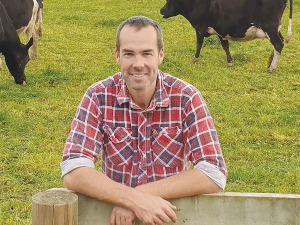
DairyNZ deputy chair Cameron Henderson has been re-appointed unopposed for another term.
Farms across the upper North Island are trialling different pasture mixes as part of a research programme that aims to build greater resilience into farming systems.
Election years are always a concerning time for farmers, according to DairyNZ chair Tracy Brown.
The Ballance Farm Environment Awards are coming to the West Coast of the South Island.
Most dairy regions around the country have had a pretty good season so far says Tracy Brown.