Beef + Lamb NZ's Lambing Kit Checklist for a Tough Season
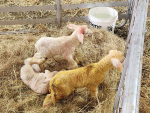
With lambing underway in many regions, Beef + Lamb New Zealand is encouraging farmers to put together a wellequipped lambing kit to help minimise lamb losses, particularly in bad weather.
 increase font size
The Agri-Women's Development Trust business programme for sheep and beef farming women has been confirmed for 2016 with funding from the Red Meat Profit Partnership.
Fourteen programmes will be held around New Zealand that will further engage women as critical farming partners by building business knowledge skills and confidence.
Each programme consists of four high-quality, full-day workshops delivered by industry experts over four months in a relaxed and supportive environment.
Understanding Your Farming Business (UYFB) is funded by the Red Meat Profit Partnership (RMPP).
More than 150 women completed the programme in 2015 following an earlier pilot in partnership with Beef + Lamb New Zealand that involved 90 women.
Programmes will be run in the Wairarapa, Tararua, Hunterville, Stratford, Blenheim, Cheviot, Wanaka, Gore, Hawkes Bay, Gisborne, Rotorua and National Park.
See www.awdt.org.nz
With lambing underway in many regions, Beef + Lamb New Zealand is encouraging farmers to put together a wellequipped lambing kit to help minimise lamb losses, particularly in bad weather.

Chinese beef trade quotas and a looming suspension of Brazilian beef imports into the European Union are expected to reshape global beef trade flows over the remainder of 2026, with implications for New Zealand exporters, according to Rabobank's Q3 Global Beef Quarterly report.
Will a stronger, more coordinated voice help rebuild confidence and improve returns in the wool sector?
Bovine Viral Diarrhoea (BVD) is sometimes viewed as a dairy industry issue, but the reality is that the disease can have serious consequences for beef breeding herds as well.
It’s official, lamb will take centre stage on Kiwi Christmas tables this year.
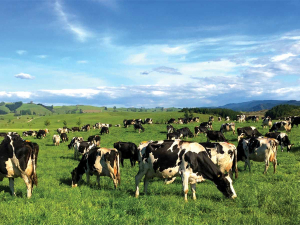
Most dairy regions around the country have had a pretty good season so far says Tracy Brown.
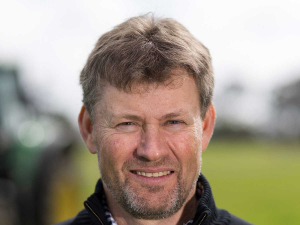
Rural leader Mark Hooper has been appointed as an independent director to the NZPork board, bringing extensive farming, governance and advocacy experience to the role.
Opportunity says its land value tax (LVT) is unlikely to force farmers into a position where asset sales or increased debt are required.
Milk powder prices are keeping farmgate prices up, helping processors offset the dip in milk fat prices.
Climate, nature and animal wellbeing make up Fonterra's refreshed sustainability roadmap released last week.
The Government is introducing a new nationwide rural recycling scheme that will significantly increase the recovery of farm plastics from March next year, Minister for the Environment Nicola Grigg announced today.