India FTA Removes 33% Tariff on NZ Sheepmeat
New Zealand’s red meat sector has welcomed the India-New Zealand Free Trade Agreement taking effect, which removes India’s 33% tariff on New Zealand sheepmeat.
 increase font size
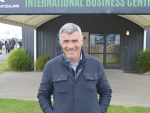
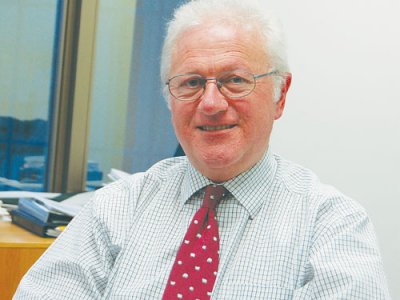 MIA chief executive Tim Ritchie.
The red meat sector is celebrating a World Trade Organisation (WTO) ruling upholding the initial findings of a New Zealand-led dispute against Indonesia on a range of agricultural non-tariff barriers.
The WTO’s appeal body confirmed on November 9 that several Indonesian agricultural trade barriers are inconsistent with global trade rules.
Meat Industry Association (MIA) chief executive Tim Ritchie says these barriers have impacted on NZ beef exports to Indonesia, contributing to a decline of at least 80% since 2010 and costing the sector about $1 billion in lost trade.
“We welcome the [appeal] confirmation that Indonesia needs to act to bring these measures into conformity with global trade rules,” says Ritchie. “This reinforces the importance and value of the WTO in disciplining [countries that erect] pervasive non-tariff barriers that plague the industry.”
Beef + Lamb NZ chief executive Sam McIvor says the sector knows that taking a WTO case is costly in money and resources, and he congratulated the Government and officials for pursuing the case.
The decision upholds key findings of a WTO dispute settlement panel, which last December ruled in NZ’s favour, causing Indonesia to appeal.
NZ and the US brought the case in 2013 in response to a range of next-generation agricultural ‘non-tariff’ barriers applied by Indonesia to imports since 2011. These included import prohibitions, behind-the-border use and sale restrictions on imports, restrictive import licensing and a domestic purchase condition.
Minister for Trade and Export Growth David Parker says the WTO case illustrates the value that NZ gains from international trade rules. The last case NZ brought to the WTO challenged an Australian ban on our apples exports there.
Parker says these barriers affect opportunities for many NZ agricultural exporters, including producers of onions, apples and beef.
“This decision from the WTO’s highest dispute settlement body is an important result for our agricultural exporters and should pave the way to grow NZ exports to the Indonesia market.”
In 2010, before Indonesia began throttling imports from NZ, that country was NZ’s second-largest beef export market by volume, worth $180m a year, Parker says. But that trade subsequently plummeted by 85%. This case aims to secure more open and predictable access to Indonesia for our exports.
“NZ has a strong and mutually beneficial relationship with Indonesia, and this trade disagreement is only a small part of that broader bilateral relationship.
“Indonesia’s approach to these WTO hearings has been exemplary: the tone has been collegial and constructive. In the proceedings Indonesia also underlined the longstanding and mutually respectful relationship it enjoys with NZ and a desire to strengthen this important relationship.
“I look forward to working with my Indonesian counterpart over the coming months to finalise resolution of this long-standing trade issue,” says Parker.
New Zealand’s red meat sector has welcomed the India-New Zealand Free Trade Agreement taking effect, which removes India’s 33% tariff on New Zealand sheepmeat.
New Zealand's red meat and fifth-quarter exports reached $867 million in August, up 23% on the same month last year, as stronger returns lifted earnings across all major markets.
Meat Industry Association data, released alongside the Red Meat Sector conference in Wellington, shows export value climbing across the US, China, UK and Canada.
Esther Guy-Meakin has been announced as the new chief executive of the New Zealand Meat Board (NZMB).


Federated Farmers has welcomed new rural policies released by ACT, saying they align closely with its own election priorities.

Rural Contractors NZ says proposed changes to land transport rules for agricultural vehicles are a welcome response by the Government to out of date regulations which have seen members hit with huge fines.
Alliance is calling for final applications for its 2027 Graduate Programme, with applications closing on Sunday 25 October.
Decades piloting planes has ensured vet and farmer David Hayes is focused on safety. So, after a serious accident while welding on farm, he is sharing his experience so others can learn from it.
Canterbury milk processor, Synlait Milk has confirmed Leon Fung as its chief executive officer.
OPINION: Making it easier to collect rainwater and use it to grow crops and livestock is a no brainer.