Pichon Adds SV10R and SV14 to SV Slurry Tanker Range
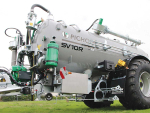
French manufacturer Pichon has expanded its SV slurry tanker range with the launch of two new models.
 increase font size
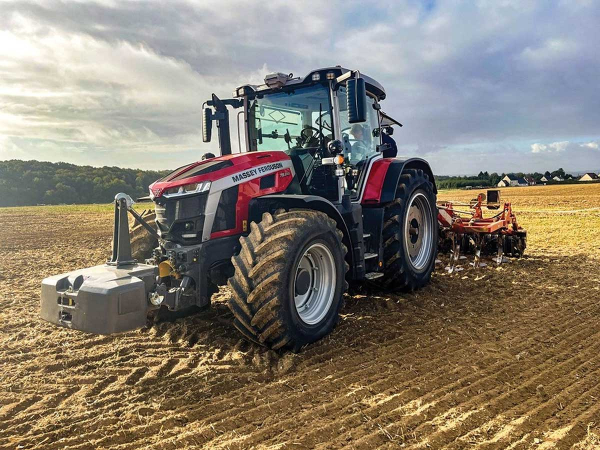 The new Mark 2 range is said to deliver significant changes from the current models.
Building on the success of the existing Massey Ferguson 7S series, ahead of the upcoming EIMA Show, the manufacturer has announced the arrival of its new MF 7S MARK 2 range, offering six choices from 170 to 245hp, positioned between the current MF 7S and the MF 8S Xtra series.
All six models feature the ‘MARK’ nomenclature, which first appeared on historical MF models, like the MF 65 MARK I / II and the MF 165 MARK III – a system that will now be used for indicating series updates across the full product line-up.
The new MARK 2 range, available in Efficient or Exclusive specs, is said to deliver significant changes from the current, longstanding MF 7S.155 to 7S.210 models, which at this point will continue to be offered for at least the next three years. The doubling up is said to give customers a choice of two different price points, alongside the newcomer only initially being offered with the Dyna-VT box, with a semi-powershift version still under development.
The new tractors feature the AGCO Power CORE 75 six-cylinder, 7.5-litre engine, mated with the well-respected, two-range, ML180 Dyna-VT transmission as standard on all models. The new engine uses a single turbo layout and 25% fewer parts than its predecessors for improved long-term reliability, with Stage V emissions met without the need for exhaust gas recirculation.
Maximum power is available across a wide engine speed band, with a flat torque curve from 800 to 1500rpm for all models. Interestingly, the efficient power and torque characteristics mean EPM (power boost) is not required, relying on SCR and DOC to meet Stage V requirements.
The torque curve remains relatively flat between 800 to 1500rpm where it reaches max torque, ranging from 815Nm on the 7S.170 up to 1184Nm on the flagship model, the 7S.245.
A larger 410-litre fuel tank (25% larger than the MF 7S) and a 56.5-litre AdBlue tank (88% larger) are standard on the new models.
While the Mark 2 shares the same 3.40 cubic metre Protect U2 cab with the 8S and 9S models, updates include the 12-inch Datatronic 6 screen, and more PTX integration including the Farm Engage package. Each tractor is supplied with a five-year licence to the software platform, enabling remote connection for sharing job sheets, way lines and documentation.
Other differences include the option of an ISRI TI Deluxe seat in place of the standard Grammer fitments, alongside a keyless start/stop button with remote door locking from the fob as well as an RFID immobiliser and a heated/coolbox option. For anyone using their 7S for spraying, the cab now benefits from Category 4 filtration.
Two brand-new 2m diameter rear tyre sizes - VF 650/70 R42 and VF 710/60 R44 - are matched with VF 600/65 R30 front tyres, all supplied by BKT from its AGRMAX V-FLECTON range.
At the business end of the tractor, four-speed PTO is standard, alongside high-capacity hydraulics, including multiple closed-centre, load-sensing pump options delivering 110, 150 or up to 190 litres/min maximum hydraulic oil flow. Rear lift capacity remains unchanged at 9600daN, with service intervals for the transmission set at 2400 hours and 1200 hours for the hydraulic system.
LED lighting is standard, with four upgrade packages, up to a maximum of 27 LED lights, positioning eight units on the hood and 19 on the cab. Four digital cameras can be displayed at the same time, including front and rear units, along with two additional cameras for positioning on the tractor or in trailers or implements.
Production commences during Q1 2027, with expected deliveries to the NZ market yet to be confirmed.
www.masseyferguson.com
French manufacturer Pichon has expanded its SV slurry tanker range with the launch of two new models.
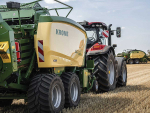
Recently revealed, Krone’s new Series Six, BiG Pack Plus and Pro balers are designed to use standardised components, interfaces, and control concepts, including pick-up, knotter systems and user interfaces.
Consuming around six years and more than 35,000 hours of physical and digital testing, the new sixth-generation Valtra T Series is being described as the most significant new release in the company’s history.
Strautmann has introduced a new Hay Edition auger for its Verti-Mix feed mixer wagons, aimed at operators using rations with larger proportions of hay or other long-fibre materials.
Twin rotor swathers have become the ‘go-to’ for forming swaths to feed hungry harvesters and balers, however, the design layout often means that crop located between the two rotors is not picked up, turned over or incorporated into the swath formed for subsequent harvesting.


Alliance is calling for final applications for its 2027 Graduate Programme, with applications closing on Sunday 25 October.
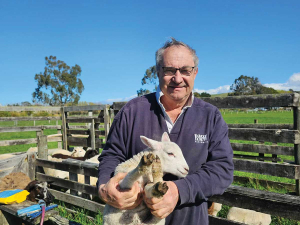
Decades piloting planes has ensured vet and farmer David Hayes is focused on safety. So, after a serious accident while welding on farm, he is sharing his experience so others can learn from it.
Canterbury milk processor, Synlait Milk has confirmed Leon Fung as its chief executive officer.
OPINION: Making it easier to collect rainwater and use it to grow crops and livestock is a no brainer.
As part of its Election 2026 coverage, Rural News asked political parties how they would help pull the arable sector out of the doldrums. Here's what they said:
Farmers are being encouraged to rethink how they manage waste on farm with the launch of ruralwastesorted.co.nz, a new website bringing together practical tips, real farmer experiences and resources.