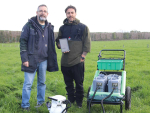
Massey Uses Portable Analyser to Measure Pasture Soil GHGs
Researchers at Massey University are using a special piece of scientific equipment to improve the measurement of greenhouse gas emissions from pasture soils.
 increase font size
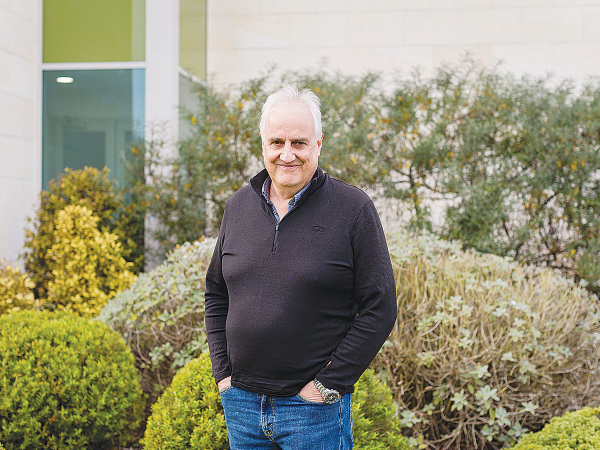 AgResearch scientist John McEwan.
Livestock can be bred for lower methane emissions while also improving productivity at a rate greater than what the industry is currently achieving, research has shown.
This month AgResearch scientists presented their analysis to the joint New Zealand Society of Animal Production and New Zealand Grassland Association conferences in Oamaru, which challenges assumptions from critics that breeding for a low methane trait will be at the expense of key genetic traits for productivity.
The scientists drew on data from a performance recorded sheep flock maintained by AgResearch, which is also recorded for methane emissions, compared to average dual purpose sheep on a NZ production index incorporating reproduction, survival, growth and adult size traits.
“We investigated if the rate of reduction in methane emissions that has been seen in our low methane flock over the past six years was sufficient to achieve New Zealand’s targeted methane reductions by the year 2050,” says AgResearch scientist John McEwan.
“Assuming the rate of methane reduction of 0.95% per year as has been shown in the flock so far will be maintained, and accounting for the genetic lag for use of rams in commercial flocks, the result we reached was a 27% decrease in commercial flocks methane emissions by the year 2050, while increasing per head productivity (using the current Beef + Lamb New Zealand Genetics index) by $51.80.”
The current New Zealand target is to reduce biogenic methane emissions by 24 to 47% below 2017 levels; however, the methane targets are currently being reviewed. Productivity gains are also in the sights of the Government, with a goal of doubling exports by value within a decade. “Continuation with current industry progress would achieve a 2.8% reduction in methane emissions and $30.80 increase in per head productivity.
In other words, methane emissions can be reduced while also increasing productivity faster than current industry progress,” McEwan says. “While our analysis does not account for all factors, it does suggest that genetic selection, if appropriately applied, could contribute a substantial proportion of the currently proposed reduction in methane emissions from the sheep industry. And it can be done without any change in ewe numbers.
“The fact that these results have been obtained from a B+LNZ Genetics recorded flock and using the current industry breeding evaluation system adds strength to the fact that this is possible using existing industry tools available to all New Zealand breeders. The challenge is its rapid adoption by the industry.”
Researchers at Massey University are using a special piece of scientific equipment to improve the measurement of greenhouse gas emissions from pasture soils.

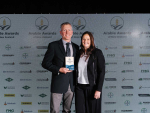
Last night saw the winners of the 2026 Beef + Lamb New Zealand (B+LNZ) Awards named at a gala dinner at Te Pae Christchurch Convention Centre.
OPINION: Among the many satisfying jobs on the farm is shifting our Angus heifers onto fresh pasture. They love it. Tails up, they gallop around for a minute, then it’s heads down — those long, raspy tongues pulling in mouthfuls of lush green feed.
The Government's revised 2050 biogenic methane target range of 14-24% by 2050 is being welcomed by dairy farmers.
Opening a new $3 million methane research barn in Waikato this month, Agriculture Minister Todd McClay called on the dairy sector to “go as fast as you can and prove the concepts”.

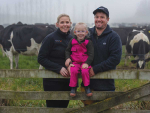
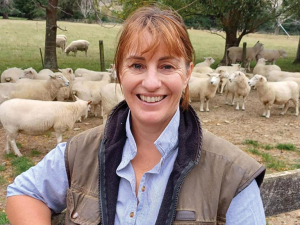
B+LNZ's Wormwise veterinarian Mary Bowron has won the Best Sheep and Beef Vet of the Year Award in recognition of her outstanding contribution to New Zealand’s sheep and beef sector.
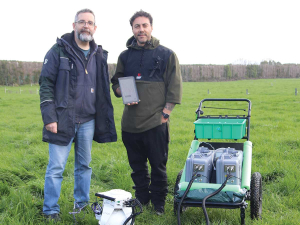
Researchers at Massey University are using a special piece of scientific equipment to improve the measurement of greenhouse gas emissions from pasture soils.
More signs of a booming kiwifruit sector.
OPINION: David Seymour and James Meager's plan to make it easier for farmers and orchardists to operate drones can best be described a 'courageous' move.
New Zealand wool is reaching new heights as air filtration companies move away from synthetic products to biodegradable alternatives.
Opuha Dam's ability to protect South Canterbury communities from major flooding has taken a significant step forward, with Opuha Water Limited (OWL) successfully commissioning a new outlet valve capable of releasing record volumes of water from the dam ahead of a weather event.