El Niño Warning: NZ Farmers Urged to Plan Fert Early
Plan ahead and be patient. That’s the message to farmers and horticulturalists from the chairman of the NZ Agricultural Aviation Association, Kent Weir.
 increase font size

COMPANIES AND products certified to Fertmark standards are at an all-time high, but a standard for product spread quality remains elusive, says Fertiliser Quality Council chairman, Neil Barton.
“We continue to try to find a way to get the industry to put on an SGN rating,” he told Rural News.
Barton believes the lack of such a standard stems from a cost of product focus among pastoral farmers, most of whom use contractors to apply nutrients and are either unaware or undervalue the importance of even spread.
“All they’re concerned about is the cost of product applied.”
If more spreaders charged a premium to apply poor or hard to spread material, it would encourage more attention to be paid to product spreadability, and help persuade the major manufacturers that a standard is needed, he adds.
As for Fertmark, which sets nutrient content standards, 14 companies and 51 products are now certified.
“To farm in an environmentally friendly, sustainable way, farmers have to know exactly what they are putting on their land. With Fertmark products they can do just that.
“There is some angst around the use of fertilisers in general but research has shown that our production will drop by up to two thirds if we don’t use fertiliser. That would be catastrophic for the country.
“The issue is to decide what fertiliser to use and farmers should insist on a product with the Fertmark tick before they put anything on their land.”
Plan ahead and be patient. That’s the message to farmers and horticulturalists from the chairman of the NZ Agricultural Aviation Association, Kent Weir.
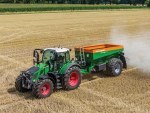
Amazone's ZG-TX combi spreader has been updated with several new features, centred around improved accuracy and easier operation.
When it comes to annual rebates, it's been a long time between drinks for Ravensdown shareholders.
Ravensdown has reported a net profit before tax and rebate of $50.1 million for the year ended 31 May 2026.
A new digital assistant is now helping Ballance Agri-Nutrients farmers speed up nutrient information and ordering.


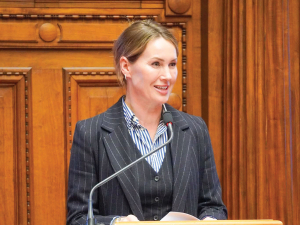
The Government is introducing a new nationwide rural recycling scheme that will significantly increase the recovery of farm plastics from March next year, Minister for the Environment Nicola Grigg announced today.
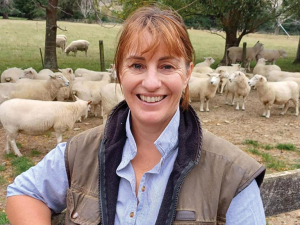
B+LNZ's Wormwise veterinarian Mary Bowron has won the Best Sheep and Beef Vet of the Year Award in recognition of her outstanding contribution to New Zealand’s sheep and beef sector.
Researchers at Massey University are using a special piece of scientific equipment to improve the measurement of greenhouse gas emissions from pasture soils.
More signs of a booming kiwifruit sector.
OPINION: David Seymour and James Meager's plan to make it easier for farmers and orchardists to operate drones can best be described a 'courageous' move.
New Zealand wool is reaching new heights as air filtration companies move away from synthetic products to biodegradable alternatives.