
Ravensdown Elects Montgomery, Acland to Board
Ravensdown shareholders have elected Jane Montgomery and Kate Acland to the Ravensdown Board for three-year terms, following a closely contested director election.




 increase font size
 Ravensdown chief operating officer, Mike Whitty.
According to Ravensdown's most recent Market Outlook report, a combination of geopolitical movements and volatile market responses are impacting the global fertiliser landscape.
Ravensdown chief operating officer, Mike Whitty says international policy change is already influencing global trade flows.
The introduction of European tariffs on Russian fertiliser imports has seen product redirected into major markets such as Brazil, China and India.
The impact of the European Union's carbon border adjustment mechanism has resulted in a rush on high carbon products into the region ahead of implementation on January 1.
“Urea exports from North Africa into Europe surged ahead of the levy, pushing prices up by around 15% in just a week. It’s a reminder of how quickly government policy can reshape commodity markets," Whitty says.
He says the United States is also experiencing upheaval.
"While import tariffs were lifted on most major fertiliser products in mid-November and an aid package was announced in December, the impacts are yet to be determined.”
Meanwhile, India (the world’s largest urea importer) continues to inject volatility into the global market. Since June, Indian activity has pushed international urea prices from USD $400 per tonne to USD $500 per tonne and back again.
Whitty says that with the world's biggest urea players pulling the market in different directions, short-term pricing remains highly uncertain.
“For New Zealand, global price signals are mixed. Internationally DAP values are softening, urea prices remain firm and potash is largely stable. However, the standout factor for local buyers is currency movement," he concludes.
Ravensdown shareholders have elected Jane Montgomery and Kate Acland to the Ravensdown Board for three-year terms, following a closely contested director election.

OPINION: It appears to be difficult for people who haven’t tried to run a business to understand the difference between assets and cash.
OPINION: In the 1980s, concern was expressed in West Germany about the falling birth rate. Some simple analysis was performed by Professor Helmut Sies, physician and biochemist at Dusseldorf University. His letter ‘A new parameter for sex education’ was published in Nature in 1988:
Plan ahead and be patient. That’s the message to farmers and horticulturalists from the chairman of the NZ Agricultural Aviation Association, Kent Weir.
Amazone's ZG-TX combi spreader has been updated with several new features, centred around improved accuracy and easier operation.


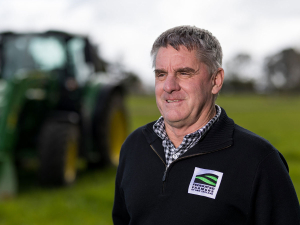
National’s pledge to introduce 19 new national standards shows the party is serious about getting Wellington out of farming, Federated Farmers says.
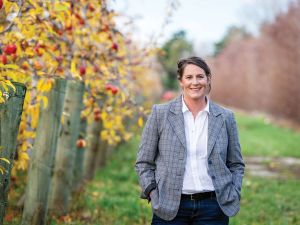
The National Party’s policies to make it easier to grow fresh vegetables, secure reliable water and energy and simplify farm planning are practical changes that will give growers the confidence to invest, according to Horticulture New Zealand (HortNZ).
Fonterra Co-operative Group chief financial officer Andrew Murray has resigned to take up a role outside the dairy giant.
A major move is about to get underway to improve the quality and viability of dairy beef and cattle in NZ.
Veterinarians say changes to the code of welfare for dairy cattle provides a positive foundation for improved cattle welfare across the country.
Today, 15 October, is the International Day of Rural Women, which recognises rural women’s contribution to farming, communities and the environment.



OPINION: The same mainstream media muppets that brought you Jacindamania in 2017 have been flat out pimping for the Opportunities…
OPINION: Your old mate reckons the atrocious way farmers in the UK are treated by their lords and masters in…




