Cool Beef: NZ's New Programme to Cut Cattle Methane
Beef+Lamb New Zealand and the Ag Emissions Centre have launched a new research project aimed at helping beef farmers reduce methane emissions without impacting productivity or profitability.
 increase font size
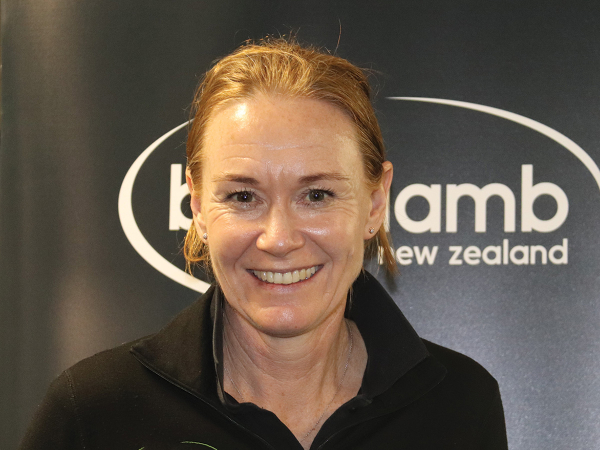 B+LNZ wormwise programme manager Ginny Dodunski.
Drench resistance is already hitting farm profits; it's not just a future problem.
At a recent Beef + Lamb NZ field day, Wairarapa farmers showed it doesn't have to be the end of the road. With the right support, knowledge and confidence, farmers can stay ahead of resistance and keep stock performing.
The event featured members of the Wairarapa Livestock Parasite Management Group, a collaboration between B+LNZ and local vet and parasite expert Sara Sutherland. Farmers in the group shared their experiences managing drench resistance and offered practical advice for others facing similar challenges.
The panel outlined a range of strategies to tackle resistance, starting with monitoring, then moving through prevention, stock integration and ensuring drench is not the first solution reached for.
"You're farming worms," one farmer said. "Once you figure out your worms, then you farm accordingly." Many farmers don't realise resistance is an issue until it's already causing problems. That's why monitoring is essential. The group encouraged others to begin with faecal egg counts and drench effectiveness tests, and where possible, identify worm larvae species. As Sara Sutherland put it, "Test, not guess."
Monitoring livestock condition was another key focus. Speakers highlighted the importance of ewe condition, noting that well-fed ewes often don't need routine drenching. Healthy ewes also produce heavier lambs at weaning, allowing lambs to be sold or moved off the farm earlier. This reduces worm pressure and improves overall farm health.
Wormwise programme manager Ginny Dodunski reminded farmers there is no universal solution. "There is no recipe for perfect parasite management on every farm," she said. "Starting with the basics - good feed, parasite monitoring and minimising the time lambs are on grass - can make a big difference."
Other strategies discussed included reducing the number of young animals on farm, identifying blocks with high and low contamination, using mature animals or cattle to clean up pastures and maintaining refugia (a way of preserving drench susceptible parasites). Attendees also learnt about DAGI (Drench and Grazing Integration), a new app being developed with B+LNZ support to help farmers map contamination levels across paddocks.
Genetics was briefly mentioned but recognised as an important long-term part of the solution.
By following these approaches, farmers can reduce their reliance on drench. Reflecting on past practices, one panellist said, "These days we don't put a drench into any ewe, we don't put a capsule into our hoggets... We’re living in a new world now where that’s just not an option if we want to carry on and hand the farm over to the next generation as a viable business.”
The takeaway from the field day was clear. Prevention is ideal, but practical management can make a real difference.
Looking ahead, B+LNZ’s parasite research programme is focused on developing new diagnostic tools and supporting changes to farm systems. Awanui Veterinary is currently working on a new tool that will provide more detailed information about parasite species faster for decision making. Following the success of the Wairarapa group, seven parasite management groups have now been set up across the country, if you want to find out more talk to your local extension manager.
Beef+Lamb New Zealand and the Ag Emissions Centre have launched a new research project aimed at helping beef farmers reduce methane emissions without impacting productivity or profitability.
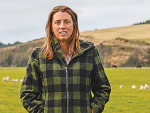
Conversions of sheep and beef farms to forestry have slowed, however new research from Beef + Lamb New Zealand (B+LNZ) suggests land of value for food production remains at risk.
Esther Guy-Meakin has been announced as the new chief executive of the New Zealand Meat Board (NZMB).
As expected, the US has launched a safeguard investigation into lamb imports, a move that could impact New Zealand sheepmeat returns.
New Zealand's red meat sector says it welcomes the Government's focus on trade ahead of the general election in November.


Bigger, bolder salads packed with colour, crunch and flavour are making headlines overseas — and the arrival of fresh spring vegetables means New Zealanders can now get chopping too, creating their own Great Kiwi Spring Salad.
Chinese beef trade quotas and a looming suspension of Brazilian beef imports into the European Union are expected to reshape global beef trade flows over the remainder of 2026, with implications for New Zealand exporters, according to Rabobank's Q3 Global Beef Quarterly report.
James Blair, an agronomist for AS Wilcox and the Pukekohe regional champion, has won the 2026 Young Grower national title.
An Auckland gelato shop and an established New Zealand ice cream maker have both been named Supreme Champions at the NZ Ice Cream & Gelato Awards 2026.
As the cost-of-living crisis continues to put pressure on household grocery budgets, new figures show pork remains one of the most affordable fresh meat options for New Zealand families.
OPINION: In politics, credibility is and should be big. It must surely rank higher than charisma, which is quite trite and superficial. Yet, voters nowadays are often wooed and influenced by how someone looks or talks at a superficial level. TV plays a huge role in this.